
Post Holdings has made the decision to sell the pasta division of its 8th Avenue Food & Provisions unit to Richardson Holdings just two months after acquiring the Ronzoni brand for $880 million. The sale will see Post receive $375 million in cash and Richardson assuming around $80 million in leaseback financial obligations. Post will retain ownership of 8th Avenue’s nut butters, fruit and nut products, and granola. The transaction, set to be finalized in Post’s first fiscal quarter of 2026, involves three production facilities located in Carrington, North Dakota; New Hope, Minnesota; and Winchester, Virginia. Approximately 500 employees from 8th Avenue will transition to Richardson following the sale.
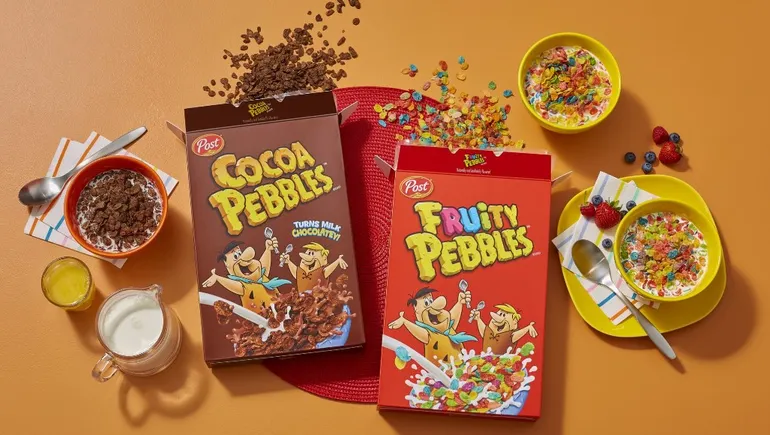
Post’s food portfolio primarily focuses on peanut butter, cereal, potatoes, and eggs, indicating a lack of interest in expanding its presence in the pasta category. The remaining products acquired from the 8th Avenue deal will be integrated into Post Consumer Brands, which includes popular items like Honey Bunches of Oats, Pebbles cereals, Peter Pan peanut butter, and Kibbles ‘n Bits pet food.
The sale of the pasta division is part of a series of strategic moves by Post in recent months. The company acquired Potato Products of Idaho, a producer and packager of refrigerated and frozen potato products, towards the end of last year. In April, Post announced the closure of cereal manufacturing facilities in Cobourg, Ontario, and Sparks, Nevada, in response to challenges faced by the breakfast cereal sector.
Changes have also occurred in Post’s executive team, with Nicolas Catoggio set to become the new chief operating officer after Jeff Zadoks steps down from the role in January. Catoggio currently leads Post Consumer Brands, overseeing the company’s well-known product lines.
The sale of the pasta division marks a strategic shift for Post Holdings, emphasizing a focus on key product categories within its food portfolio. The company’s continued evolution and adaptation to market trends demonstrate its commitment to remaining competitive and meeting consumer demands in the ever-changing food industry landscape.