
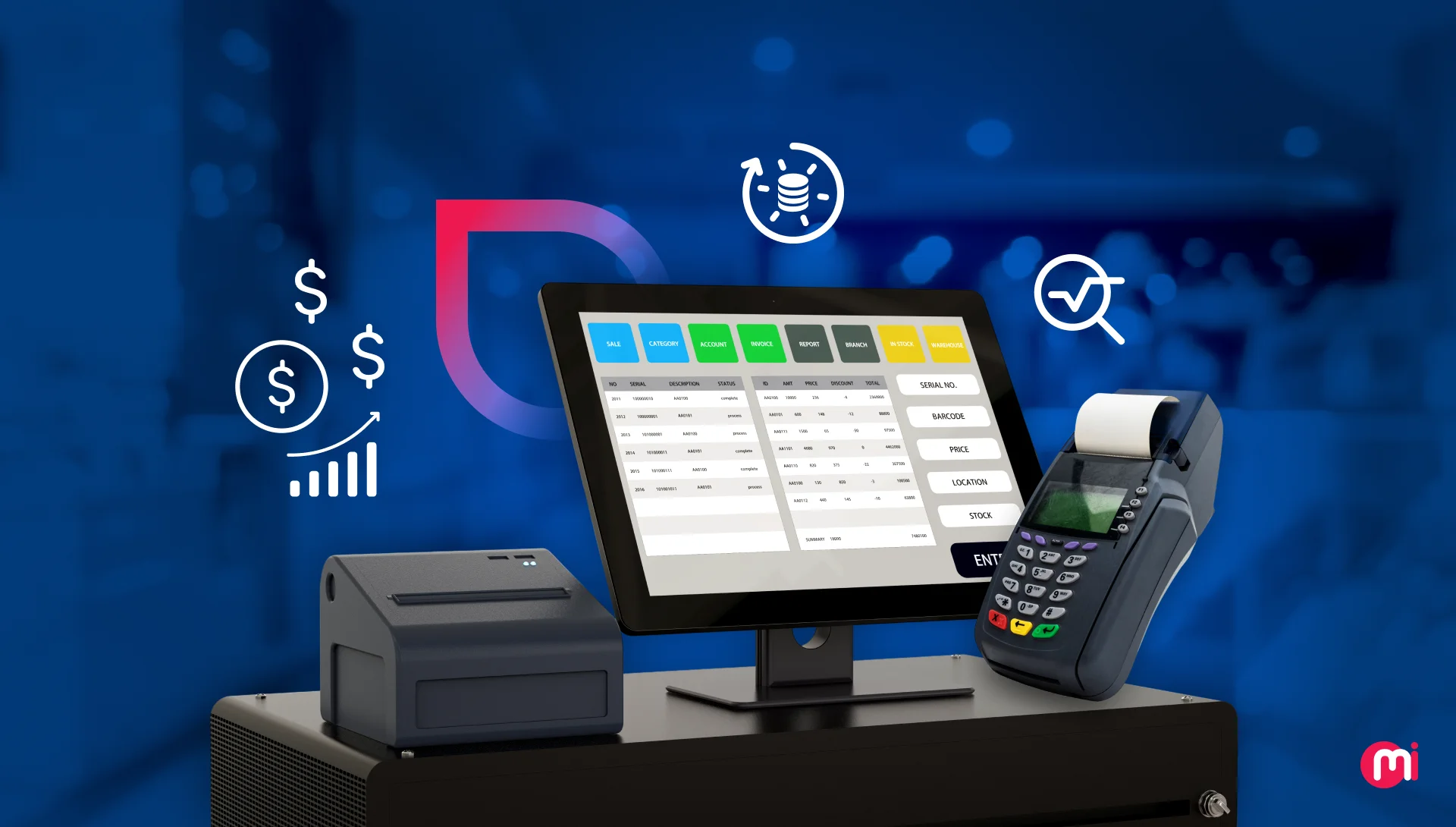
In today’s fast-paced world, the role of POS (point-of-sale) systems in streamlining sales transactions cannot be overlooked. These systems are essential for businesses looking to enhance their sales processes and provide a seamless customer experience tailored to their specific needs. This article will delve into the intricacies of POS systems, how they function, and the benefits they offer to businesses.
POS systems have become a necessity in the retail and hospitality industries, with businesses seeking efficient ways to manage sales transactions, inventory, customer relationships, and analytics all in one platform. Custom POS software development allows businesses to create tailored solutions that align with their unique workflows and customer expectations, whether they are running a restaurant, e-commerce portal, or retail chain.
POS systems work by integrating hardware and software to facilitate quick payments, real-time stock updates, and detailed reporting. Advancements in POS development have provided businesses with innovative solutions to streamline their operations. However, building a POS system requires careful planning and understanding of the development process.
Developing a POS system involves several steps, including deciding on the type of POS system, choosing data storage options, integrating necessary features such as CRM, inventory management, and payment processing, and focusing on UI/UX design elements. Backend development, testing, and ongoing maintenance are crucial aspects of POS system development to ensure smooth operations and scalability.
While developing a POS system, businesses may face challenges such as seamless integration with existing systems, real-time data processing, hardware compatibility, and cost and timeline management. Partnering with an experienced software development company can help address these challenges and ensure the successful implementation of a custom POS system.
Essential features of a POS system include a user-friendly interface, inventory management, payment processing, CRM integration, and reporting and analytics capabilities. These features are essential for efficient business management and enhancing the customer experience.
The cost of developing a POS system varies depending on the complexity, features, platforms, and ongoing fees. Basic to enterprise-level POS systems can range from $25,000 to over $250,000. Investing in a custom POS system can result in long-term savings, improved customer satisfaction, and scalability tailored to the business’s unique needs.
In conclusion, choosing the right POS software is crucial for businesses looking to streamline operations and enhance customer experience. Custom POS software development can provide advanced features and cost-effective solutions tailored to specific business needs. Partnering with a reputable software development company like MindInventory can help businesses transform their retail or restaurant operations successfully.联系我们今天开始您的数字卓越之旅。