
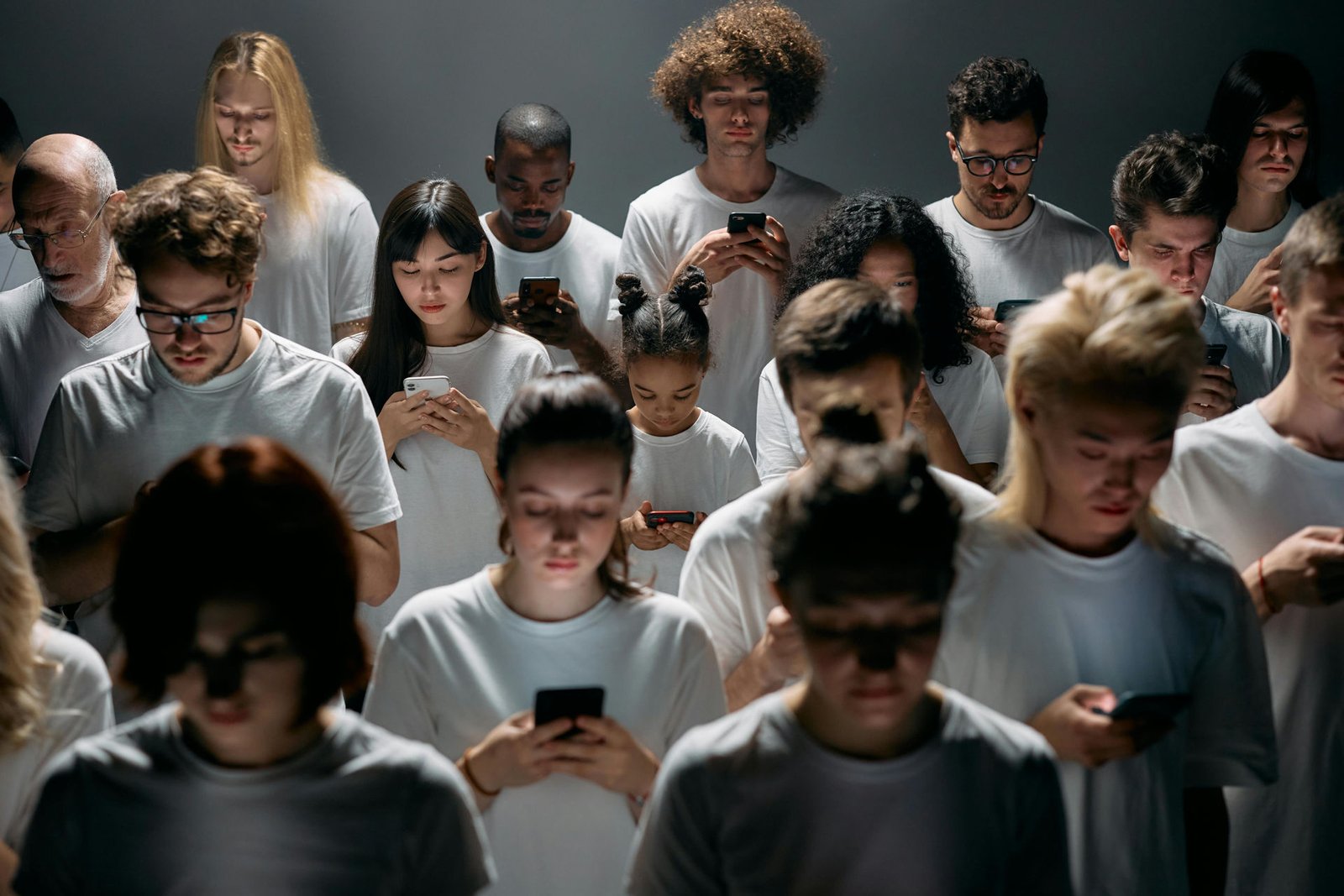
Are you concerned about your smartphone usage? Many of us may not want to acknowledge that we are addicted to our phones. We might believe that we can easily detach from our devices whenever we choose. However, a recent survey conducted by Compare and Recycle, experts in tech recycling, reveals a growing interest in identifying signs of phone addiction. The survey also sheds light on the extreme measures people would take rather than giving up their smartphones.
The survey results show a significant increase in Google searches for signs of phone addiction, with a staggering 461% surge over the past year. Queries related to symptoms have also spiked by 200% in just the last month. This raises the question of how deeply rooted our dependency on smartphones truly is and whether we could break free from it if needed.
In a nationwide survey by Compare and Recycle, participants were asked what they would be willing to sacrifice rather than going without their mobile phones for a week. The responses were both alarming and somewhat amusing. It was revealed that 40% of individuals would rather give up caffeine entirely than be separated from their phones for seven days. Nearly 25% would forgo seeing anyone for a week, while 1 in 7 people would opt to shave off an eyebrow instead. Surprisingly, 18% claimed they would give up showering. Delving into the realm of absurdity, 1 in 14 participants stated they would lick a public sidewalk rather than part ways with their beloved device. The survey also highlighted Gen Z’s particularly strong attachment to their phones, with some expressing a willingness to undertake extreme challenges such as walking over hot coals, skydiving, or getting a tattoo chosen by a stranger rather than enduring a week without their phones.
If these findings have sparked concern about your own smartphone habits, it might be time to reflect on your usage patterns. Studies from 2021 reveal that Americans check their phones an average of 262 times a day, equating to once every 5.5 minutes. The addiction to smartphones has even been recognized as a form of anxiety disorder known as “nomophobia” since 2014. Lee Elliott, Chief Product Officer at Compare and Recycle, emphasizes the unhealthy relationship we have developed with our devices. Fortunately, tech giants like Apple and Google offer tools to help users monitor and limit their screen time. Google’s Digital Wellbeing initiative, for instance, enables users to track and regulate their device usage effectively.
As we approach the holiday season, perhaps it is an opportune moment for a digital detox. Consider setting aside your phone and spending quality time with loved ones, reminiscent of the pre-smartphone era. It’s essential to strike a healthy balance between technology use and real-world connections to cultivate a fulfilling and balanced lifestyle.
The article originally appeared on Android Headlines and has been reimagined to provide fresh insights into the issue of smartphone addiction and the drastic measures individuals are willing to take to retain their devices.