
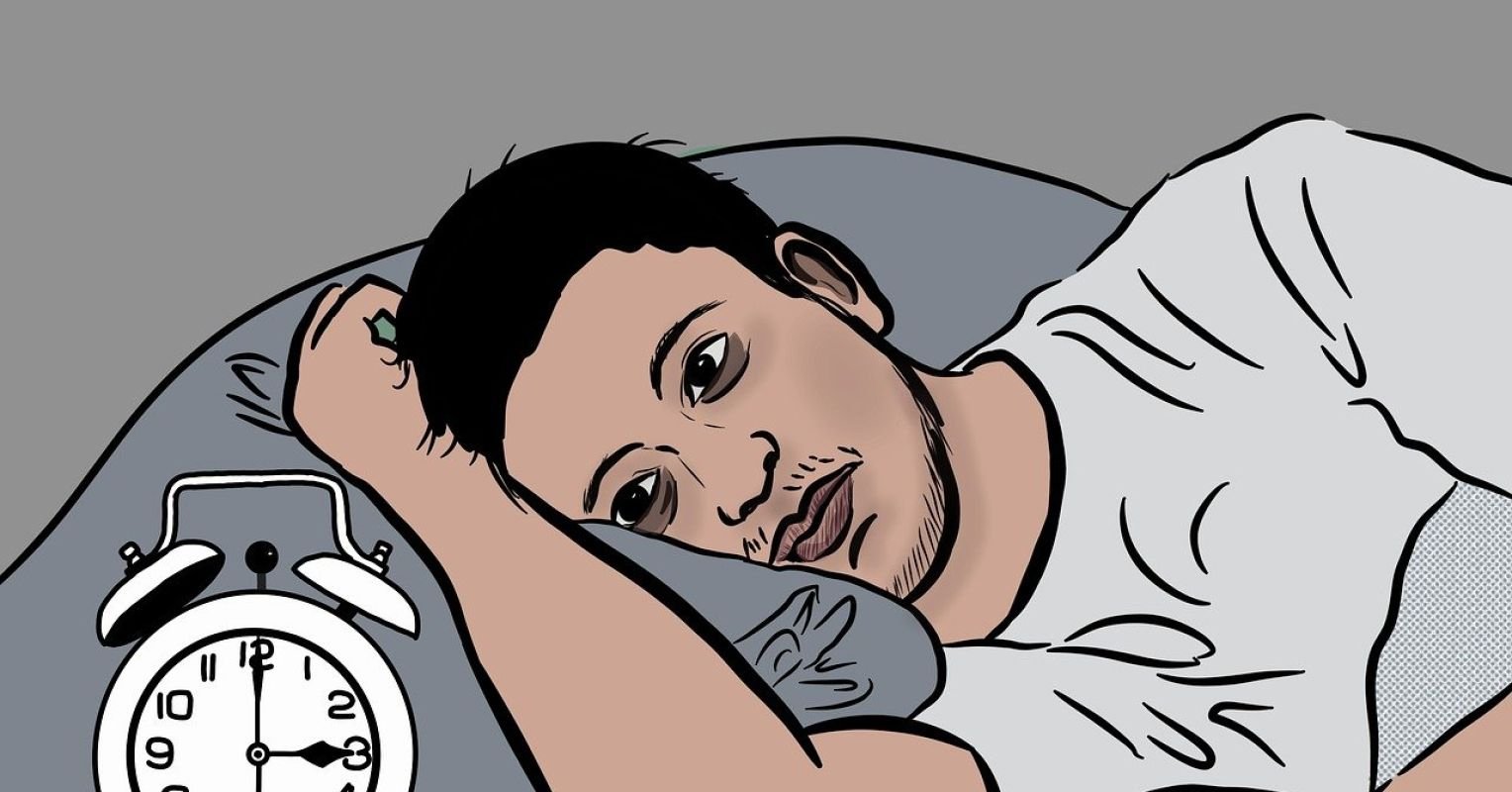
I still recall the first time I discovered the sedative effects of alcohol. It was during a difficult period in my teenage years, after a breakup left me sleepless for almost two months. A few beers recommended by a friend helped me drift off to sleep within minutes of hitting the pillow. The next morning, I woke up feeling refreshed and relieved, knowing that the sleep aid I needed was just a block away at the local convenience store.
Many people rely on alcohol as a quick fix for sleep issues, believing that it helps them sleep better. A good night’s sleep is crucial for overall well-being, as it plays a vital role in repairing the body, regulating the brain, and managing emotions. Without adequate sleep, our physical and emotional health can suffer. Research has shown that animals deprived of sleep can die within weeks, underscoring the importance of quality rest.
The benefits of sleep extend beyond just feeling rested. Sleep impacts hormone regulation, heart health, immune function, cognitive abilities, and emotional well-being. During sleep, stress hormones decrease, while growth hormones increase to repair and rejuvenate the body. The cardiovascular system gets a break, with heart rate and blood pressure lowering during sleep. The immune system produces cytokines to fight off infections, and the brain undergoes reconstruction to enhance memory, concentration, and decision-making. Sleep also plays a crucial role in emotional regulation, helping us process and manage our feelings effectively.
Despite the perceived benefits of alcohol for sleep, I began to notice that even after hours of sleep, I felt constantly tired and lacked energy. It wasn’t until I quit alcohol that I realized its detrimental effects on my sleep quality. Within weeks of giving up alcohol, my energy levels improved, and I felt more refreshed and alert than ever before.
Research has shown that even a single drink can significantly impact sleep quality. A study conducted by Finnish scientists found that alcohol consumption reduced sleep recovery by up to 39.2%, depending on the amount consumed. Even small amounts of alcohol can disrupt the body’s ability to enter a restorative state during sleep, leading to poor sleep quality and fatigue.
To break free from relying on alcohol as a sleep aid, it’s essential to adopt a comprehensive approach to wellness. This includes reevaluating personal values, challenging limiting beliefs, acquiring new coping skills, and cultivating a positive mindset. By shifting the mindset from “alcohol helps me sleep better” to “alcohol disrupts my sleep,” individuals can take control of their sleep habits and prioritize quality rest without relying on alcohol.
For those looking to break free from the cycle of using alcohol as a sleep aid, exploring alternative strategies and support systems can be beneficial. By making small changes and building healthier habits, it is possible to achieve restful sleep without the need for alcohol.