
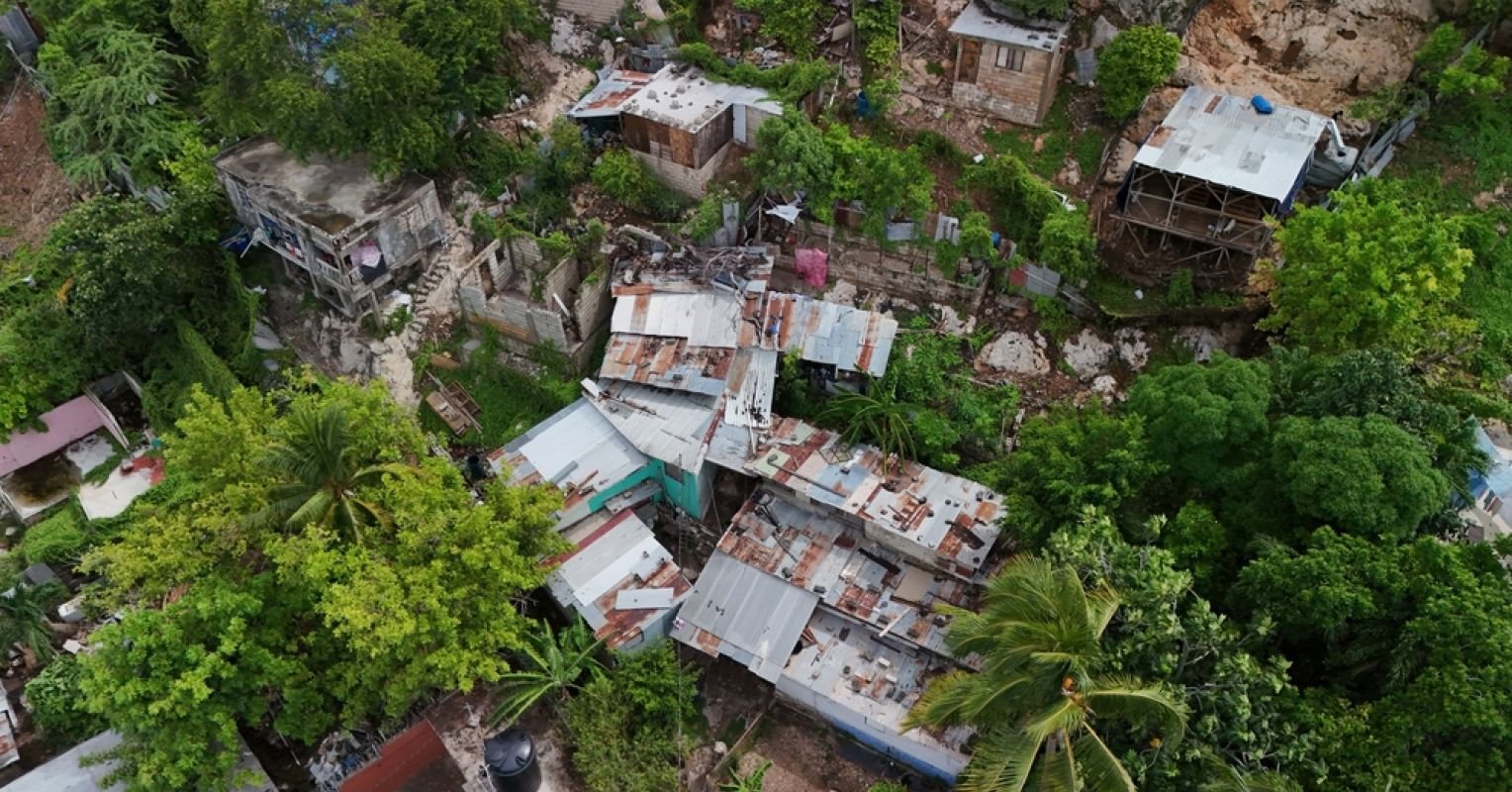
Living in the coastal town of Black River, Jamaica, the aftermath of Hurricane Melissa was a challenging period for me. With deep roots in the community, the impact of the hurricane on my family and the town was profound. The devastation caused by the storm left a mix of emotions including loss, sadness, relief, frustration, and stress among many others.
The slow approach of Hurricane Melissa kept Jamaicans on edge, closely monitoring its path and preparing for the worst. When the storm finally hit Black River, the destruction was evident as buildings were damaged and lives were disrupted. My own family experienced the wrath of the hurricane as my nephew and tenants sought shelter in our home, only to be forced to evacuate to a relative’s house for safety.
In the weeks following the hurricane, the emotional toll on Jamaicans, both at home and abroad, was palpable. The stress, anxiety, and exhaustion from the ordeal were overwhelming, leaving many grappling with the aftermath of the disaster. As a response to the crisis, I decided to travel back to Jamaica to provide support and assistance to those affected by the hurricane.
In times of such trauma, it is essential to prioritize mental health and well-being. Acknowledging feelings of guilt, helplessness, and fear is important in processing the emotional impact of the disaster. Taking care of physical health through exercise, nutritious food, and adequate rest can help alleviate the symptoms of trauma and promote recovery.
Staying connected with loved ones, limiting media exposure, and finding moments of joy through laughter and music are crucial in coping with the aftermath of a natural disaster. Building resilience and seeking help when needed are key components of navigating through difficult times and ensuring long-term emotional well-being.
While the effects of trauma may linger, it is possible to find strength and resilience in the face of adversity. By prioritizing self-care and seeking support, individuals can overcome the challenges brought on by natural disasters and emerge stronger than before. In times of crisis, it is important to prioritize mental health and well-being to ensure a successful recovery process.