
The modern era has witnessed a significant shift in the way we perceive and handle money, thanks to the digital revolution. The impact of technology on our financial behaviors and attitudes cannot be overstated. What used to be a tangible experience involving cash, checkbooks, and physical banking has morphed into a digital realm, altering our perception of value, spending patterns, and long-term financial strategies. As we navigate this evolving financial landscape, understanding how technology shapes our monetary mindset is crucial for making informed decisions about our financial futures.
The Transition from Physical to Digital Currency
One of the most visible changes in our interaction with money is the decline of physical cash. Digital payments, mobile wallets, and contactless transactions have made monetary exchanges less tangible. The absence of physical bills and coins during transactions can lead to increased spending, as the psychological impact of payment is reduced when money is not physically exchanged.
Automation in Financial Management and Decision-Making
Technology has brought about a new level of automation in personal finance management. Automated savings programs, bill payments, and algorithmic investment strategies have streamlined money management tasks. These automated systems can analyze spending patterns, recommend budgets, and execute financial decisions without constant human oversight. The accessibility of robo-advisors and automated investment platforms has democratized sophisticated financial strategies that were once reserved for the wealthy.
The Rise of Cryptocurrency and Decentralized Finance
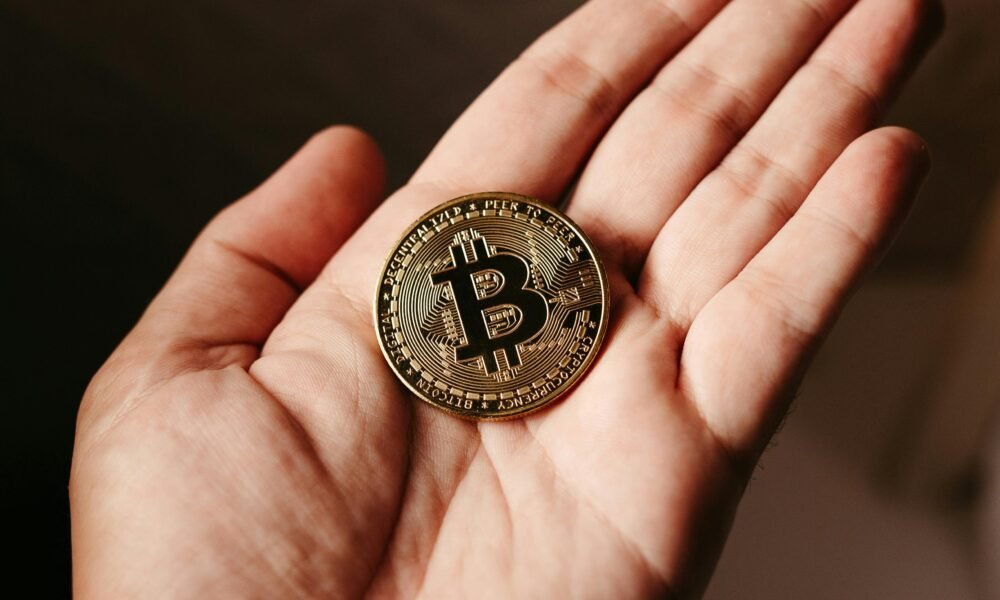
Cryptocurrency and blockchain technology have challenged traditional monetary concepts by operating independently of central banks and government oversight. This decentralized approach questions long-established monetary policies and financial structures, paving the way for peer-to-peer transactions and innovative financial services that do not rely on traditional intermediaries like banks.
Real-Time Financial Insights and Instant Gratification
Modern financial technology offers real-time visibility into our financial status, allowing us to monitor transactions, check balances instantly, and receive immediate notifications about account activity. While this transparency promotes financial awareness, it also fosters a culture of instant gratification that may encourage short-term thinking over long-term planning. To maintain investment discipline during market volatility, investors can utilize tools like a dca bot for consistent investment regardless of short-term price fluctuations.
Social Influence and Online Financial Communities
Social media and online platforms have created new avenues for sharing financial information and experiences. Digital communities enable open discussions about money matters, investment strategies, and financial goals, breaking traditional taboos surrounding personal finance. While these platforms offer valuable support and education, they can also spread misinformation and foster unhealthy comparisons with others’ financial success.
Conclusion
The evolution of technology has revolutionized our relationship with money, making financial management more convenient, accessible, and automated. The transition from physical to digital currency, the automation of financial tools, the emergence of cryptocurrencies, real-time financial data availability, and the influence of digital communities have all contributed to a reimagining of how we perceive and engage with money. As technology continues to advance rapidly, maintaining financial literacy and mindful money management is essential. While leveraging the benefits of financial technology, it’s crucial to be aware of how these tools impact our behavior and ensure that convenience does not compromise our long-term financial well-being.