
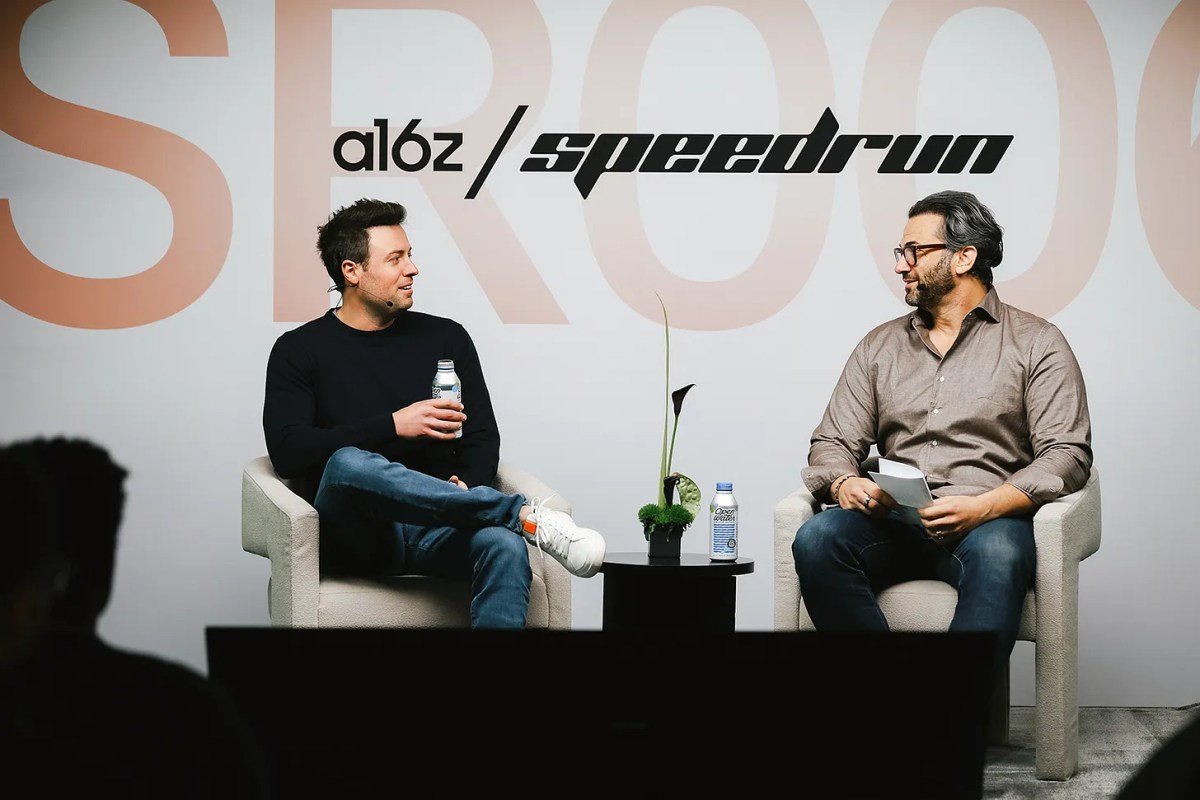
When it comes to the latest buzz in the tech startup world, Andreessen Horowitz’s Speedrun program stands out as one of the most sought-after accelerators. Launched in 2023, this accelerator boasts an acceptance rate of less than 1%, making it extremely competitive. According to a January blog post, out of over 19,000 startup pitches, less than 0.4% were accepted into the most recent cohort.
Initially focused on gaming startups, Speedrun has since broadened its scope to include entertainment, media, and now accepts founders from any type of startup. The program, which spans approximately 12 weeks in San Francisco, used to have a presence in Los Angeles but has shifted its focus exclusively to San Francisco.
Twice a year, Speedrun accepts around 50 to 70 startups into each cohort, investing up to $1 million in each company. While the investment terms may seem higher compared to other accelerators like Y Combinator, Speedrun justifies its higher equity investment by providing founders with access to a16z’s vast advisory and business networks, offering support in key areas like go-to-market strategy, brand development, media planning, and talent acquisition. Additionally, startups in the program receive perks such as $5 million in credits to various vendors like AWS, OpenAI, Nvidia, and Deel.
Given the intense competition and low acceptance rate, JS sought insights from Joshua Lu, the program’s general manager and a partner at a16z, on how startups can increase their chances of standing out. Lu emphasized the importance of the founding team in the application process, highlighting the need for a well-rounded team with complementary skills and a shared history of working together.
While technological advancements have made it easier to develop software, Lu stressed the value of having a technically proficient founding team. Moreover, he mentioned that Speedrun looks favorably upon startups that have already achieved some level of market validation or traction for their product.
In the application process, Lu cautioned founders against fixating too much on market theories or the perceived problem-solution fit. Instead, he advised them to focus on showcasing why their founding team is uniquely positioned to tackle the problem at hand, along with any validation they have received for their idea.
When it comes to using AI tools to enhance their applications, Lu encouraged founders to leverage these technologies for improving clarity, coherence, and conciseness. However, he warned that founders should be prepared to articulate their startup’s vision and strategy effectively during live video-call interviews, as AI assistance will not be available at that stage.
Networking was another key aspect highlighted by Lu, who emphasized the value of connecting with the diverse experts and resources within the Speedrun program. Mohamed Mohamed, a founder in the recent cohort, shared his experience of securing a $5 million raise for his proptech startup Smart Bricks through Speedrun. He stressed the importance of being intellectually honest and precise in the application process, avoiding hype and focusing on clarity and authenticity.
In conclusion, Speedrun values founders who can think critically about complex problems and articulate their solutions with conviction. The program seeks founders who are transparent about their challenges and demonstrate a deep understanding of their industry. Ultimately, depth and honesty are more compelling than exaggerated narratives in the eyes of Speedrun.