
The Trump Administration’s Impact on Food Regulation in 2025
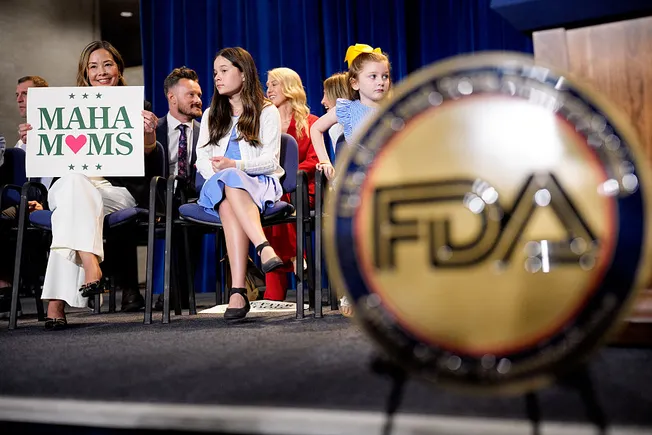
This year saw a significant shift in the food industry as the Trump administration’s “Make America Healthy Again” movement took center stage. Companies faced new challenges due to slowing consumption and sales, brought on by increased regulatory pressure.
Lawmakers from both sides of the political spectrum seized the opportunity to address consumer concerns regarding artificial dyes and other ingredients found in ultraprocessed foods. While the FDA urged companies to eliminate artificial dyes by the end of the following year, states like Texas, California, and West Virginia took more aggressive measures, implementing bans or restrictions on certain ingredients in food products.
As Congress showed little inclination to intervene in state-level regulations, food companies found themselves navigating a complex regulatory landscape on their own. Some companies embraced the “Make America Healthy Again” ethos by reformulating their products to exclude artificial dyes and harmful ingredients like seed oils.
However, not all companies were on board with the new regulations. Some argued that state laws were misleading to consumers and preempted federal regulations. Major industry players such as Kraft Heinz and Coca-Cola even took legal action against states over these regulations, setting the stage for potential legal battles in the coming years as these laws near implementation.
Food Dive has compiled the most significant developments in ingredient regulation this year. These changes will undoubtedly shape the industry in 2026, impacting how companies formulate and market their products.