
Google Launches UPI-Linked Credit Card in India
Google is making a significant move into consumer finance in India with the introduction of a UPI-linked credit card. The tech giant is tapping into a market of over 1.4 billion people, where only a small fraction currently possess a credit card.
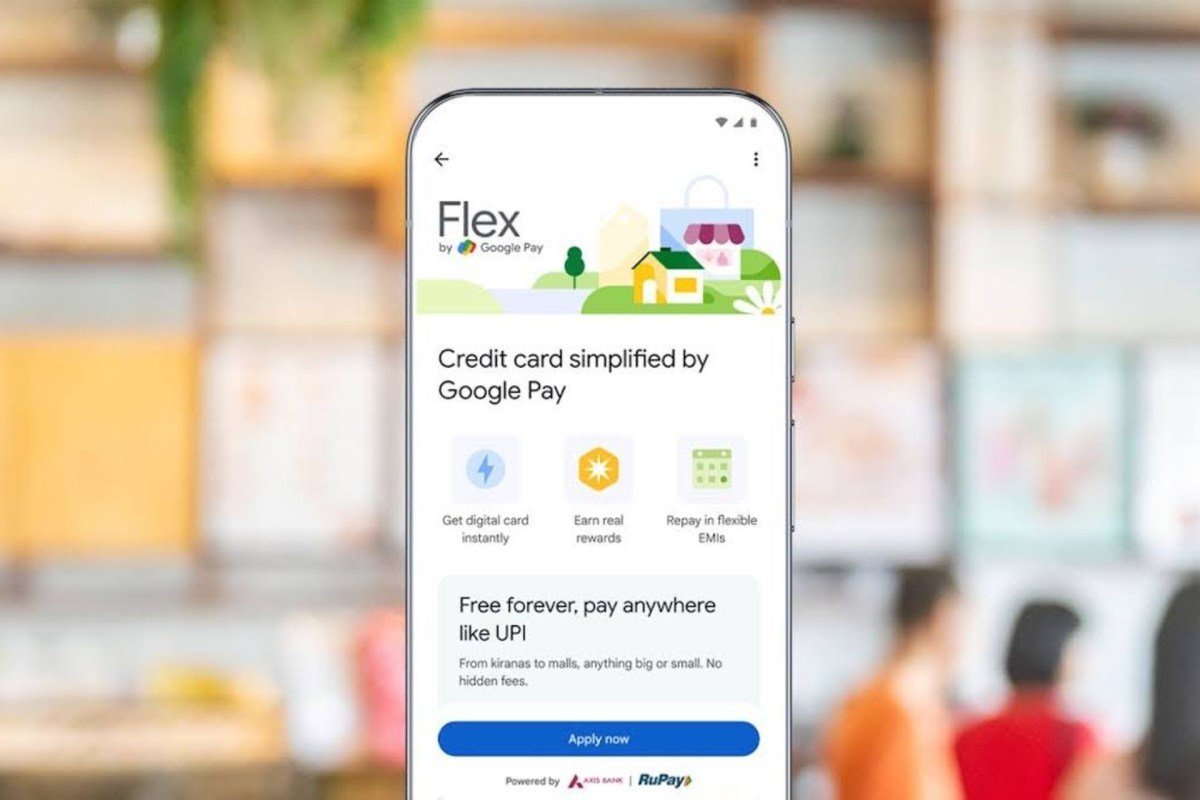
Partnering with Axis Bank, Google has unveiled Flex by Google Pay, a co-branded credit card aimed at expanding access to credit in India’s UPI-driven payments ecosystem. The rapid adoption of digital payments in India through the Unified Payments Interface has revolutionized how consumers make payments but has not translated into widespread access to credit. This gap presents an opportunity for tech companies and banks to integrate lending into popular payments apps, prompting Google to enter the space.
Features of Flex by Google Pay
Flex by Google Pay is issued digitally through the Google Pay app and can be used for online and in-store purchases. The card, built on the RuPay network, offers a rewards program where users earn virtual “Stars” on transactions, with each Star equivalent to ₹1. Users can track their spending and bills within the app, opt to repay balances in full or in installments, and manage security settings like blocking the card or resetting a PIN.
Google Pay has been actively working to enhance access to credit in India, collaborating with banks and non-bank lenders to provide personal and gold-backed loans through the app. With a large user base on its UPI platform, Google Pay offers Axis Bank a gateway to digitally engaged users, as lenders increasingly turn to technology platforms for credit distribution.
Expansion Plans and Market Dynamics
While the initial launch involves Axis Bank, Google aims to onboard more issuer partners to broaden its co-branded credit card offerings in India. The country’s credit card market has been expanding rapidly, with transaction volumes and values on the rise. However, the growth has primarily benefited existing users, prompting Google to target new users with flexible repayment options.
Competition in India’s co-branded credit card market is intensifying, with players like Amazon, Flipkart, PhonePe, and various internet platforms entering the segment. Co-branded credit cards are projected to capture a significant share of the market by 2028, growing at an annual rate of 35-40%.
Additional Features and Enhancements
Alongside the co-branded credit card, Google is introducing “Pocket Money” on Google Pay, allowing parents to set spending limits for children. This feature, leveraging the UPI Circle functionality, enables parental control over digital payments. Google is also enhancing the merchant experience on Google Pay, introducing features like customer ratings and AI-powered advertising.
With over 530 million users making payments through Google Pay and millions of small merchants onboarded, Google is confident in its ability to introduce new financial products to digitally savvy users. The company’s focus on familiar payments apps aims to build financial confidence among younger users as digital payments become more prevalent.