
After spending 27 years in prison, Nelson Mandela, the first Black president of South Africa, famously stated that true freedom required letting go of hatred. This sentiment resonates with anyone who has experienced a toxic relationship, even if it’s not as extreme as unjust imprisonment.
As the child of a critical mother, I found myself trapped in a cycle of negativity, even long after she was gone. Her harsh words lingered in my mind, affecting my self-esteem and relationships. Growing up, I believed that I was the problem, constantly striving to meet her impossible standards.
It wasn’t until I learned about the concept of “projection” in my 20s that I began to understand that my mother’s criticisms were a reflection of her own insecurities. However, simply recognizing this fact wasn’t enough to break free from her influence. I needed to silence her voice in my head to truly move forward.
Confronting my mother while she was alive seemed impossible, as any pushback was met with dismissal and contempt. This fear of confrontation spilled over into other areas of my life, hindering my personal growth and happiness.
Breaking Free from Emotional Bonds
Letting go of the emotional weight of my mother’s criticisms was a gradual process that required a shift in perspective. I had to see her as a flawed individual, not just a harsh parent, and understand the root of her bitterness. It meant reevaluating my childhood perceptions of her and acknowledging that my anger towards her was holding me back.
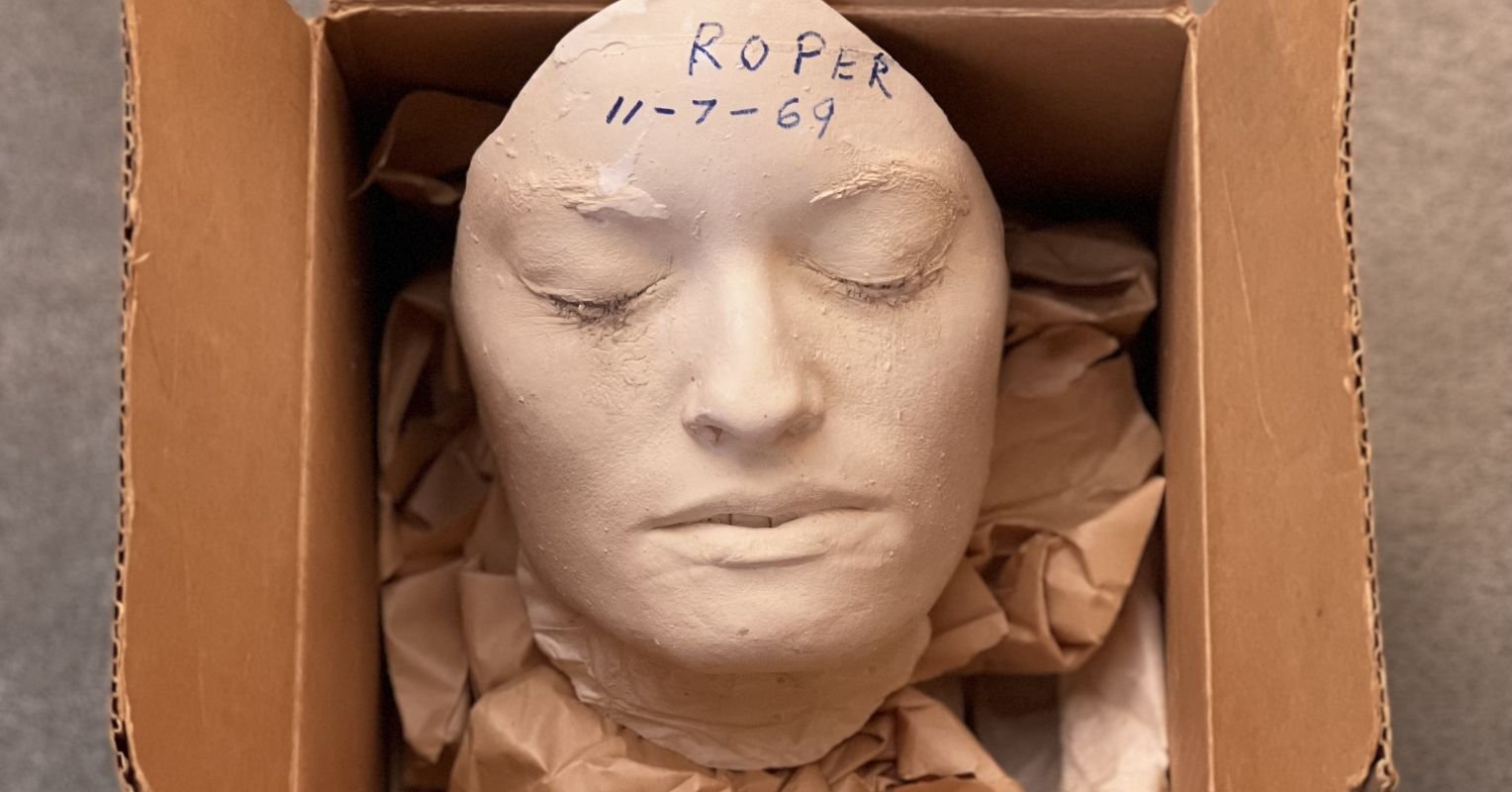
For years, I held onto instances like the mask-making experience as proof of my mother’s cruelty. However, upon closer inspection, I realized that there were layers to her actions that I had overlooked. Why would a mother who constantly criticized my appearance want a replica of my face?
Letting Go of Resentment
It wasn’t until my mother passed away that I began to see her in a different light. The realization of her mortality shattered the image of her as an invincible villain in my mind. As I dug deeper into my memories, I uncovered moments of kindness and vulnerability that contradicted my one-dimensional view of her.
Understanding the source of my mother’s insecurities and fears allowed me to see her as a complex individual struggling with her own demons. Her harsh exterior was a shield to hide her vulnerability, and her criticisms stemmed from a place of self-doubt rather than malice.
By reframing my relationship with my mother and forgiving her for past grievances, I was able to release the anger and resentment that had kept me tethered to her memory. The more I embraced her complexity, the less power her voice had over me until one day I realized it was gone, and I was finally free.