
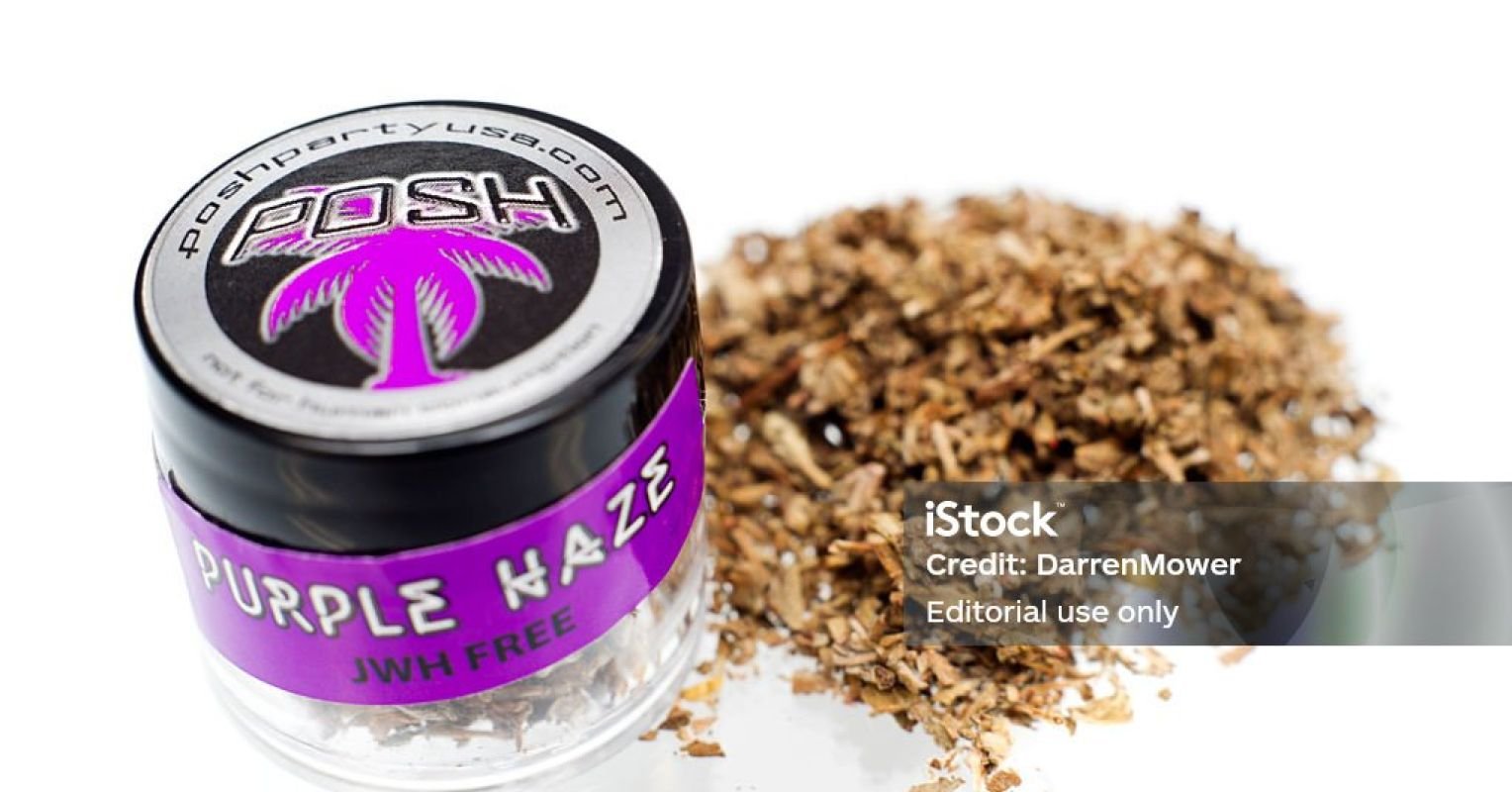
The 2018 Farm Bill loophole has led to the emergence of a new class of cannabinoids known as intoxicating hempia, which mimic the effects of marijuana. These products, often referred to as “gas station weed,” are readily available in stores and online with minimal regulation, despite their psychoactive properties. Derived from hemp cannabidiol, these semi-synthetic cannabinoids like Spice, K2, Delta-8, Delta-10, and Zaza are causing a rise in emergency cases among both pediatric and adult populations.
Recent studies have shown that inhaled Delta-8 and Delta-9 produce subjective effects similar to marijuana in healthy adults. These substances are commonly found in edible forms like gummies, making them appealing to adolescents and children. However, reports to poison control centers have shown a concerning trend of pediatric patients being exposed to Delta-8 THC-containing products, leading to hospital admissions and severe symptoms.
The lack of regulation in the production of Delta-8 products has resulted in mislabeled THC concentrations and potential contamination with harmful substances. This poses a significant risk to consumers, as many products do not accurately reflect their ingredients or potency. The sale of these products, including illegal synthetic substances like THCO, continues unabated, with minimal age restrictions in place.
The increasing use of Delta-8 among teenagers and young adults is a growing concern, as studies have shown a high prevalence of use in certain regions of the US. The misconception that Delta-8 is safer than marijuana has contributed to its popularity among this demographic, despite potential risks to brain development, addiction, and overdose.
Researchers have highlighted the addictive potential of Delta-8, with reports of tolerance, withdrawal symptoms, and substance use disorder. Psychiatric symptoms have also been documented in individuals using Delta-8, including psychosis and other serious mental health issues.
Regulations are needed to address the risks associated with Delta-8 products, particularly in terms of accurate labeling and product safety. The FDA has issued warnings about the sale of unapproved Delta-8 products making unsubstantiated medical claims, emphasizing the need for tighter control over the industry.
In conclusion, the widespread availability of Delta-8 and Delta-10 products poses significant health risks due to inaccurate labeling, lack of regulation, and potential for addiction. Greater oversight and enforcement measures are necessary to protect consumers, particularly young people, from the dangers associated with these potent cannabinoids.