
Non-Chocolate Candy Sales Continue to Rise in the US
Sales of non-chocolate candy, particularly gummy and chewy varieties, have become the second-largest confectionery category in the United States. According to a recent survey by the National Confectioners Association (NCA), non-chocolate candy sales reached $12.9 billion in 2024, accounting for a third of all confectionery sales in the country.
The NCA predicts that total candy sales in the US will reach $27.8 billion by 2030, representing a $5.4 billion increase across all channels. Gen X currently leads in candy unit sales, but millennials are expected to surpass them in the next couple of years. Additionally, Gen Z’s candy spending has increased by 47% year over year, as per the survey findings.
Consumers are increasingly drawn to sour, spicy, and “mystery” flavors, as well as different textures and formats. While these new varieties are gaining popularity, classic fruity flavors continue to remain a favorite among consumers.
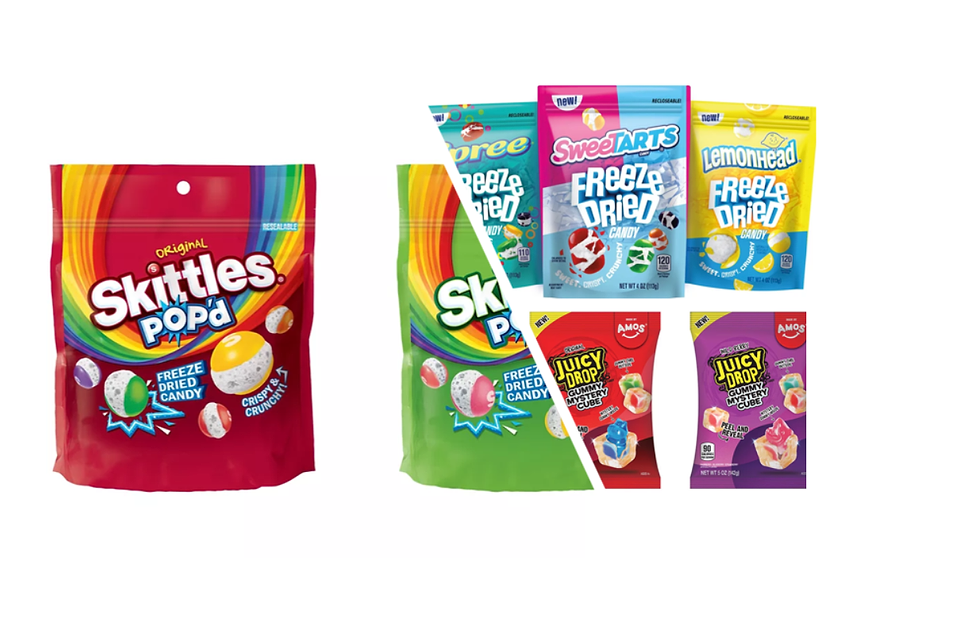
Leading companies in the confectionery industry, such as Ferrara and Mars, Inc., are innovating with texture freeze-dried products. For instance, Ferrara recently introduced freeze-dried versions of its Lemonhead, Spree, and Sweetarts brands, offering consumers a new and unique candy experience.
Mars, Inc. followed suit in October 2024 by launching Skittles Pop’d, which features a crispy and crunchy texture instead of the traditional chewy Skittles lentils. These innovative offerings aim to cater to consumers’ evolving preferences and provide them with exciting new ways to enjoy their favorite candies.
Bazooka Brands introduced the Juicy Drop Gummy Mystery Cube, an interactive candy that offers a fun “peel and reveal” experience. The peelable outer gummy layer reveals an animal-shaped gummy, adding an element of surprise and engagement to the candy-eating experience.
According to John Downs, president, and CEO of the NCA, innovation is at the heart of the confectionery industry, particularly in the non-chocolate candy segment. The survey also revealed that consumers indulge in chocolate and candy treats two to three times a week on average.
In terms of purchasing behavior, different generations have varying preferences when it comes to buying candy. Gen Z and millennials show a higher interest in trying new candy and are more inclined to shop online. On the other hand, Gen X and boomers tend to stick to their favorite brands and traditional flavors and textures.
Key findings from the NCA survey include the top five non-chocolate candy products (gummies, chewy candy, hard candy, lollipops, and licorice), with chewy candy accounting for 50% of all candy sales. Nearly half of consumers prefer sweet and sour candy equally, while the top channels for candy purchases are supercenters, club stores, and e-commerce platforms. Online sales contribute to 11.5% of annual candy dollar sales.
The NCA collected data for the survey through an online survey conducted in August 2025, with a national sample of 1,500 consumers aged between 18 to 75. The margin of error for the survey is +/-2.5% at a 95% confidence level.
As Halloween approaches, candy remains a top priority for US consumers, according to a recent LendingTree survey. The majority of respondents indicated that candy is their primary purchase for the holiday, followed by pumpkins and outdoor decorations. Millennials are expected to spend the most on Halloween, with chocolate bars, gummies, and chewy candies being the top choices for trick-or-treaters.
While Halloween spending is on the rise, financial concerns are impacting some consumers’ budgets. However, the joy and fun associated with the holiday are driving increased spending on Halloween festivities, allowing people to relax, have fun, and enjoy time with friends and family.