
The 45th annual Natural Products Expo West show in Anaheim, California is buzzing with discussions about ultra-processed foods (UPFs) among food and beverage manufacturers. Consumers are becoming more vigilant about reading labels, and government initiatives like “Make America Healthy Again” and revised school lunch programs are shedding light on the ingredients in packaged foods.
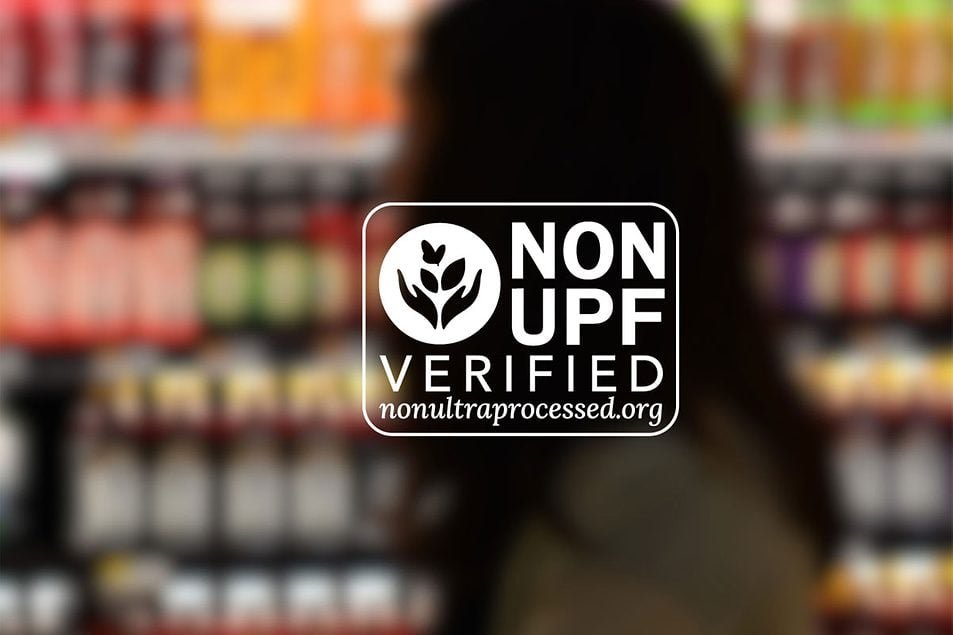
Despite the growing interest in healthier eating, there is still confusion surrounding what exactly qualifies as a UPF. To bridge this gap, the newly launched Non-UPF Verified certification aims to provide clarity for consumers. Since its launch in November, 115 products from 9 different brands, including Spindrift beverages, Amy’s Kitchen, and Simple Mills, have received this certification.
The Food Integrity Collective/Non-GMO Project, in partnership with Linkage Research, conducted a study with 1,000 participants to understand consumer attitudes towards UPFs. The results showed that 7 out of 10 shoppers are trying to avoid UPFs, even though they may not fully understand what they are. Additionally, 6 out of 10 shoppers are more likely to purchase products with a Non-UPF certification.
Megan Westgate, founder and CEO of the Food Integrity Collective/Non-GMO Project, discussed the reasons behind launching the Non-UPF Verification program and the process of assessing products for certification. The program focuses on ensuring that at least 70% of a product is minimally processed, with strict limits on certain ingredients like added sugars and texturizers.
The certification process involves a thorough review of the ingredients and processing methods used in the product. By examining how an ingredient is processed, the program aims to distinguish between minimally processed foods and ultra-processed ones. This attention to detail sets the Non-UPF Verified certification apart from other labeling initiatives.
In grocery stores, products in the center aisles are often considered to be more heavily processed. However, the Non-UPF Verification program aims to work with brands across all categories to offer non-UPF options to consumers. Snacks and beverages, in particular, present opportunities for reformulation and the creation of healthier alternatives.
Overall, the Non-UPF Verified certification seeks to provide consumers with transparent information about the processing methods used in packaged foods. By working closely with the industry, the program hopes to encourage the development of products that align with consumers’ preferences for minimally processed, whole foods. As awareness grows and more brands participate in the program, the availability of non-UPF options is expected to increase in the market.