
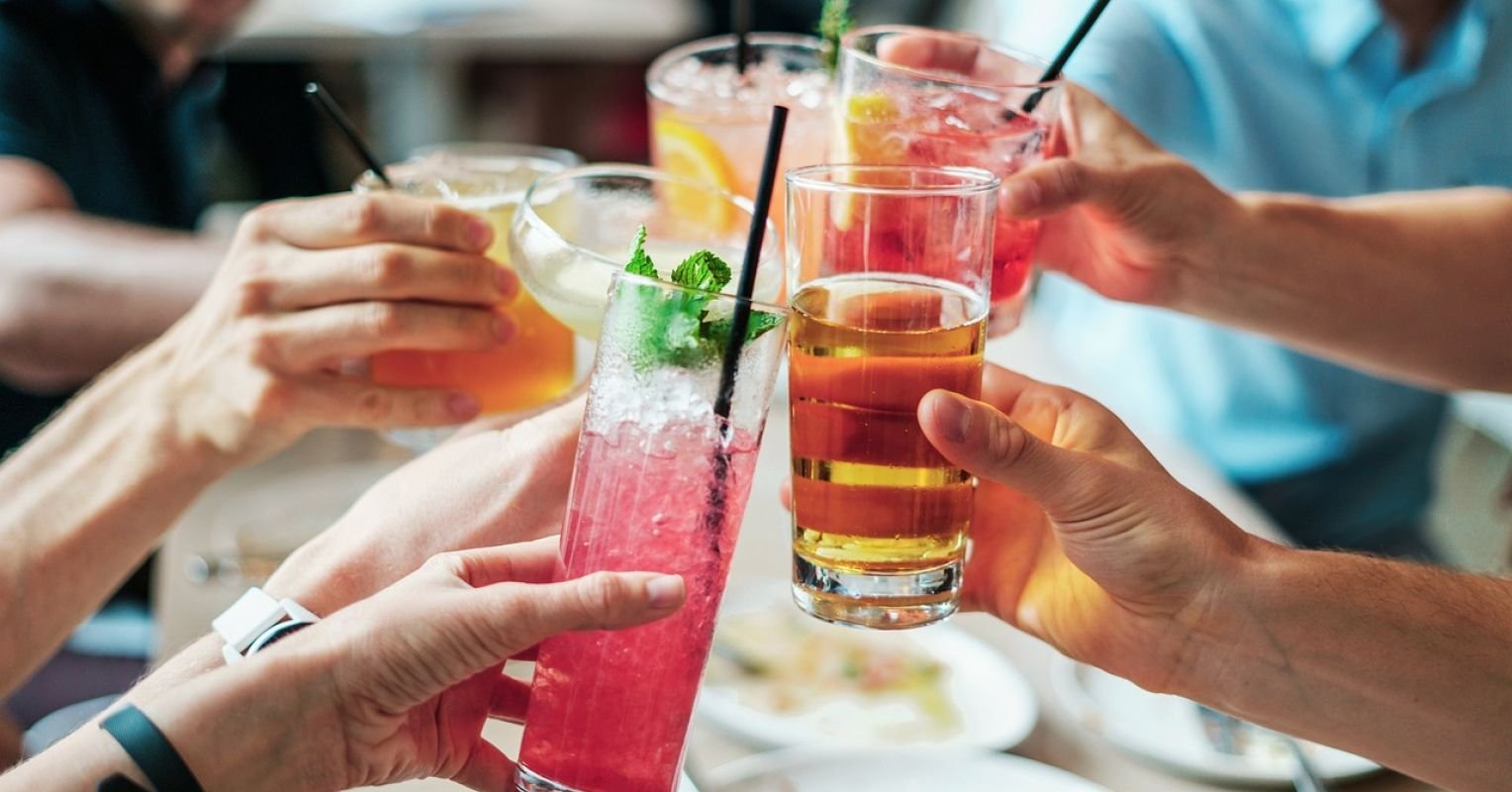
As I recall my first experience attending a social gathering without consuming alcohol, I felt a sense of disconnect from the festivities around me. While others enjoyed their drinks, I held a non-alcoholic beverage and couldn’t shake the feeling of being an outsider in a room full of revelers. The fear of not fitting in or being perceived as a stranger is a common concern for individuals who choose to abstain from alcohol, whether temporarily or permanently.
A well-known study from the 1950s, known as the Asch conformity experiments, sheds light on the power of group pressure and the lengths to which people will go to conform. Participants were asked to identify simple line drawings, with the twist being that the rest of the group (who were actually actors) deliberately provided incorrect answers. Surprisingly, 75% of participants ended up conforming to the group’s incorrect responses at least once, highlighting the strong pull to fit in even when we know the truth.
The innate human desire to belong and avoid social exclusion dates back to our ancestors’ survival instincts. In today’s world, fitting in may no longer be a matter of life or death, but the fear of social rejection remains a potent force. The need to conform and adapt to social norms can lead us to compromise our true selves in an effort to be accepted by others.
However, there is a crucial distinction between fitting in and true belonging. While fitting in may require us to change ourselves to be accepted, genuine belonging allows us to be our authentic selves and still feel welcomed and valued. Research by Brené Brown emphasizes the importance of true belonging in fostering self-esteem, resilience, and emotional well-being.
While alcohol can serve as a social lubricant and a means to fit in with a crowd, relying on it to gain acceptance may indicate that the group is not the right fit for you. By reframing the belief that alcohol is necessary for social acceptance, we can open the door to deeper, more fulfilling connections that celebrate our uniqueness and authenticity.
Embracing sobriety as a path to personal growth and well-being involves reexamining our beliefs about alcohol and ourselves. By understanding our reasons for choosing sobriety, challenging limiting beliefs, taking proactive steps to break drinking patterns, and embracing the journey, we can cultivate a thriving alcohol-free lifestyle. It’s not just about giving up alcohol; it’s about embracing a new way of living that honors our true selves and fosters genuine connections.
In rewriting our beliefs and narratives around alcohol, we can pave the way for a more authentic and fulfilling life. Building a flourishing alcohol-free lifestyle requires more than just willpower – it requires a shift in mindset and the adoption of empowering strategies and tools to support our journey towards holistic well-being.