
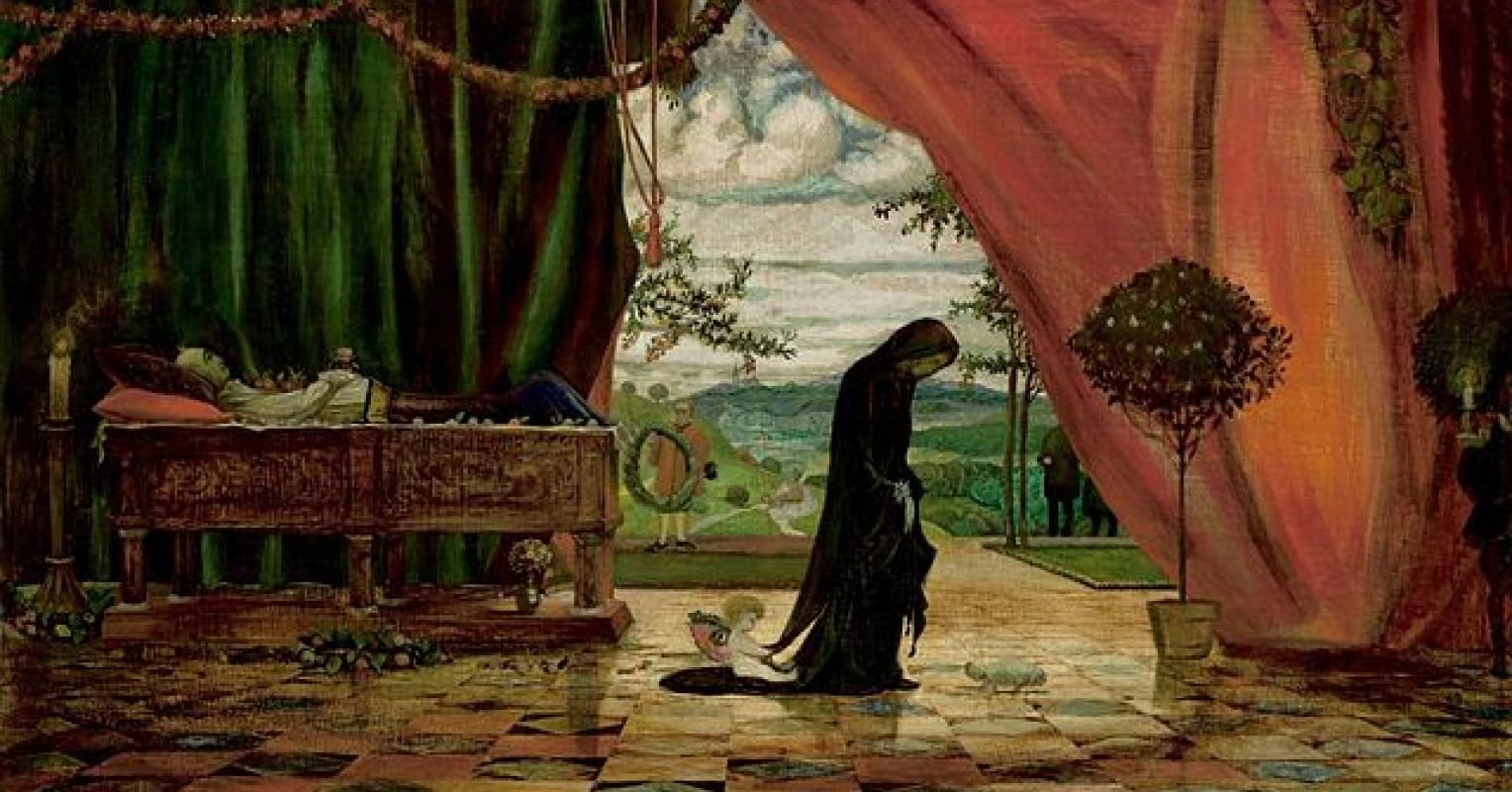
The artwork “Vdova (1910)” by August Brömse depicts a widow in a sorrowful state, reflecting the theme of loss and grief that has been explored by ancient philosophers and modern thinkers alike.
Philosopher Scott LeBarge highlights the therapeutic value of viewing the natural order as well-designed, suggesting that a world that is too harsh would be incomprehensible. The Stoic philosopher Epictetus questions whether rationality was given to humans by the gods to experience misery and unhappiness, challenging us to answer with a resounding “no.”
The Stoics grappled with the question of why our lives are often filled with the loss of loved ones, emphasizing that loss is a natural part of the order of nature, not an evil design or punishment. They acknowledge that grief can be destructive but argue that it is our beliefs that create sadness. By examining and challenging these beliefs, we can alleviate the intensity of our grief.
Deep sorrow, according to Epictetus, involves physical shocks and overpowering emotions that must be countered with reason. Modern therapies like cognitive behavioral therapy adopt a stoic approach by identifying and questioning the beliefs that fuel unpleasant emotions, encouraging individuals to focus on what they have rather than what they have lost.
In the face of grief, the goal is not to suppress emotions but to reason through them, uncovering the beliefs that amplify the pain and shifting focus towards gratitude for what remains. The Stoic perspective on grief offers several benefits, including a non-judgmental view of a grieving person’s life, recognition of their strength, and the reaffirmation of their integrity despite loss.
Ultimately, integrating Stoic ethics into our understanding of grief can provide a unique perspective that complements biological and psychological insights. By acknowledging the inevitability of loss and the strength inherent in facing tragedy, individuals may find solace and resilience in the face of grief.