
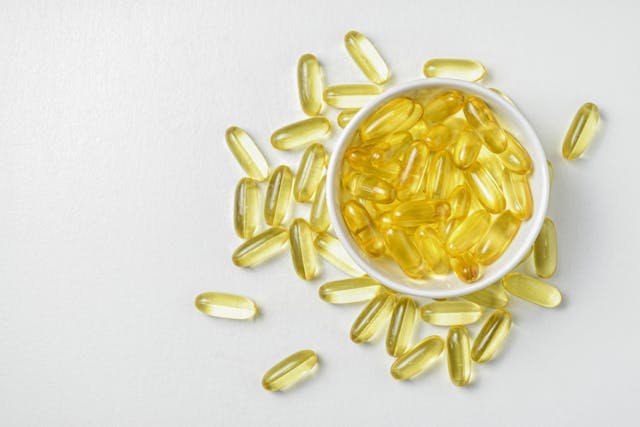
Establishing healthy habits often starts with small, consistent actions. Many individuals in Canada prioritize their well-being by incorporating Vitamin E supplements into their wellness routines based on solid evidence rather than passing trends.
The use of supplements is prevalent throughout Canada, especially among adults aged 45 and above who are focused on maintaining vitality, cognitive function, and cardiovascular health in the long run. According to Statistics Canada, a significant number of Canadians incorporate vitamin and mineral supplements into their daily regimens, with women and older adults leading the trend.
However, the goal is not to simply take more products but to make informed decisions based on reliable information. It is crucial to understand the benefits and drawbacks of supplements and choose products from reputable sources to ensure that your supplement routine enhances your health rather than adding unnecessary clutter to your cabinet.
What Does It Mean to Make Informed Supplement Choices?
Making intentional health decisions involves aligning your daily choices with long-term health goals rather than succumbing to short-lived marketing trends.
Prior to adding a Vitamin E supplement to your daily regimen, it is essential to consider a few key questions: Why do you want to take it? Does your diet already provide sufficient vitamin E from sources like nuts, seeds, and vegetable oils? What dosage are you considering, and does it adhere to established guidelines?
Health Canada categorizes vitamins and minerals as Natural Health Products, which means they must meet specific safety and labeling requirements before being sold in Canada. While these regulations ensure a certain level of quality, it is still important to understand the supplements you are taking and the reasons behind your choices.
The Importance of Vitamin E in a Balanced Health Routine
Vitamin E is a fat-soluble antioxidant that helps protect cells from oxidative stress, which is linked to aging and cellular damage. While the relationship between antioxidants and disease prevention is complex and ongoing, the National Institutes of Health Office of Dietary Supplements highlights the role of vitamin E in immune function and cellular signaling.
When it comes to skin and hair health, Vitamin E is a commonly recommended nutrient. It may aid in shielding skin cells from oxidative damage and is often included in products targeting hair and nail health. While research in this area is still developing, Vitamin E can be a valuable addition if you aim to support your appearance from within.
For women aged 45 to 65, maintaining antioxidant levels can be part of a comprehensive strategy that includes consuming healthy fats, a diet rich in fruits and vegetables, regular exercise, and appropriate supplementation when dietary intake is insufficient. While a Vitamin E supplement cannot replace these foundational practices, it can complement them effectively when used wisely.
Understanding Dosage and Upper Limits
Vitamin E has a Tolerable Upper Intake Level due to potential risks of bleeding at high doses. The NIH warns that excessive supplementation may elevate certain risks, particularly in specific populations.
It is crucial to recognize this tradeoff. While Vitamin E can support antioxidant balance, high-dose supplementation without professional guidance may not be suitable, especially for individuals taking anticoagulant medications.
Therefore, being mindful of the dosage, your medical history, and any current medications is essential for intentional supplement use. If in doubt, consulting a pharmacist before starting a Vitamin E supplement is a prudent initial step.
The Significance of Ingredient Form Variations
Vitamin E comes in various forms, including tocopherols and tocotrienols. While many supplements contain alpha-tocopherol, research suggests that formulations with mixed tocopherols may offer broader antioxidant coverage. It is also important to note that natural sources like nuts, seeds, and vegetable oils provide naturally occurring vitamin E forms, and supplementation should consider total intake from food sources.
Natural vs. Synthetic Forms: Deciphering Supplement Labels
When examining supplement labels, you may encounter two designations: d-alpha-tocopherol represents the natural form of vitamin E, while dl-alpha-tocopherol is synthetic. The bioavailability of these forms can vary, potentially influencing the appropriate dosage. Understanding the product you are purchasing and its rationale is key to making informed decisions.
Safety Precautions for Aging Individuals
As you grow older, changes in nutrient absorption, medication usage, and cardiovascular risks occur. Supplements that were suitable in your 30s may necessitate review in your 60s.
Harvard Health Publishing emphasizes that while antioxidants, including Vitamin E, have been extensively studied, large-scale trials have not consistently demonstrated the preventive benefits of high-dose vitamin E against chronic diseases. This underscores the importance of supplements supporting your foundational health practices rather than replacing them.
Prior to incorporating a Vitamin E supplement into your routine, it is advisable to review your current medications with a healthcare professional, ensure your dosage aligns with established recommendations, avoid unintentional stacking of multiple antioxidant products, and opt for products from reputable Canadian retailers. Adhering to these steps minimizes risks while maximizing potential benefits.
Selecting a Vitamin E Supplement in Canada
When evaluating Vitamin E supplement options in Canada, consider the form of vitamin E used, the dosage relative to your needs, and whether the product contains natural or synthetic tocopherols. Opting for products from retailers that meet Health Canada’s Natural Health Product standards ensures you are receiving what the label promises.
If you are uncertain about where to begin, consulting a pharmacist before making a purchase is a practical approach. Pharmacists can assist you in navigating the available options based on your health history, dietary habits, and current medications.
The Key Takeaway on Vitamin E Supplements
When used judiciously, Vitamin E supplements can contribute to antioxidant balance within a comprehensive dietary and lifestyle plan. They should not be viewed as a shortcut to disease prevention but as a supportive element alongside a nutrient-rich diet, regular physical activity, and sufficient rest.
In a market inundated with quick-fix claims and fleeting trends, clarity is a consumer’s best asset. Opting for evidence-based, moderate, and trustworthy choices typically yields superior long-term results compared to impulsive product additions. Selecting wisely, ensuring safety, and maintaining a clear purpose tend to lead to better outcomes in the long run.