
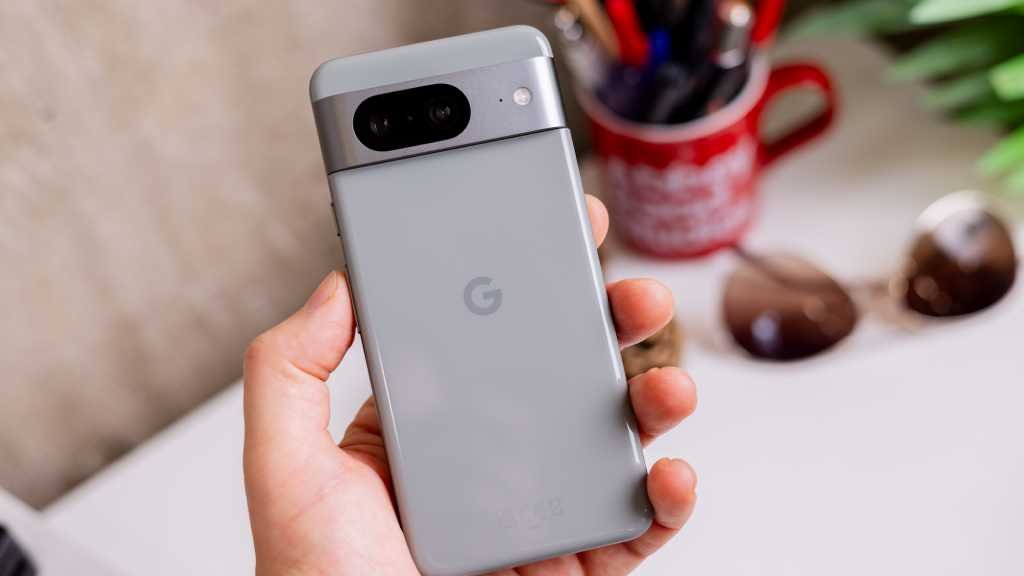
In the realm of smartphones, the allure of a brand-new flagship device with top-of-the-line features and all the hype surrounding it can be undeniable. However, for many potential buyers, the hefty price tag associated with these devices often puts them out of reach. This is where the appeal of used and refurbished flagships comes into play.
As technology rapidly evolves, the value of smartphones depreciates just as quickly. This is why many consumers are turning to pre-owned flagships, which offer premium hardware at a fraction of the cost. While the initial savings may seem enticing, it’s essential to consider the trade-offs, such as software support and longevity.
In 2026, the landscape of smartphone options has expanded to include modern mid-range devices that boast strong performance, long battery life, and advanced AI features. As a result, the decision to purchase a used flagship is no longer solely about saving money but also about weighing the compromises involved.
When considering buying a used flagship, it’s crucial to be aware of key pitfalls. Brands are constantly pushing the boundaries of technology, introducing features like improved battery life, advanced cameras, and AI-centric chips. While a used flagship may still offer impressive performance, it may fall short in terms of compatibility with the latest advancements in technology.
For example, the Google Pixel 7 Pro, despite being a solid device, may soon become outdated in terms of software updates and AI features. Additionally, battery health is a concern with used devices, as wear and tear from previous use can impact performance and longevity. Repairability is also a crucial factor to consider, especially with more intricate designs like foldable phones, which can be costly and challenging to fix.
In the realm of older flagships that are still worth buying, devices like the Samsung Galaxy S23 Ultra stand out for their superior hardware quality, particularly in terms of displays and cameras. While newer mid-range phones may offer extended software support and other practical features, older flagships excel in areas like camera performance and premium build quality.
When deciding between old flagships and new mid-range phones, the choice boils down to personal priorities and preferences. While mid-range devices may offer longevity and practical features, older flagships shine in areas like camera quality and premium design. Ultimately, the decision hinges on individual needs and the willingness to compromise on certain features.
Before purchasing a used flagship, it’s essential to conduct thorough research and consider factors like battery health, software support, and overall condition. Buying from reputable sources and paying attention to details like hinge mechanisms on foldable phones can help ensure a satisfactory purchase.
In conclusion, the decision to buy an older flagship in 2026 involves weighing the pros and cons and considering individual preferences. By making an informed decision and prioritizing key factors, consumers can find a used flagship that meets their needs and offers a satisfactory user experience.