
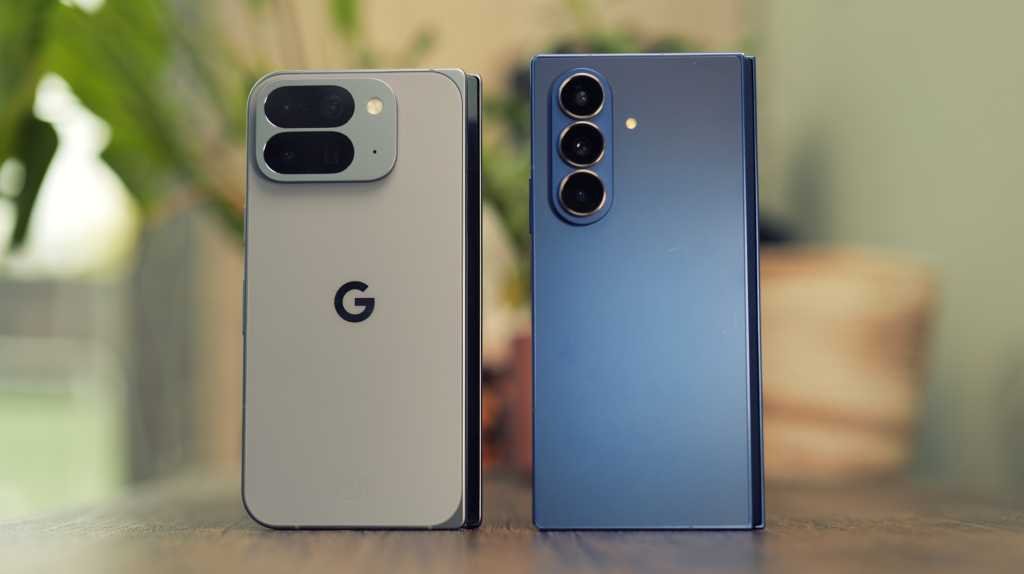
In the realm of smartphone launches, 2026 is shaping up to be quite eventful. With Google unveiling the Pixel 10a, the iPhone 17e on the horizon, and Samsung gearing up for the Galaxy S26 range launch, it’s clear that exciting times lie ahead in the world of mobile technology. However, amidst all these new offerings, there’s a growing inclination to take a step back and consider a different approach.
As a tech journalist frequently approached for advice on smartphone purchases, I often find myself recommending what I call the ‘previous gen’ rule. This simple yet effective strategy involves opting for the previous year’s model when buying a new smartphone. And in 2026, this rule holds more weight than ever, even for tech enthusiasts seeking the latest innovations.
There are three compelling reasons why adhering to the ‘previous gen’ rule is particularly prudent this year. Firstly, a significant factor contributing to the current landscape is the shortage of memory in the technology industry. This scarcity, partly driven by the AI boom, has led to increased component costs, which are likely to be passed on to consumers. As a result, manufacturers like Xiaomi have already hinted at substantial price hikes for devices such as the Galaxy S26 and Xiaomi 17 Ultra.
Moreover, the anticipated lack of substantial innovation in 2026 is another key consideration. While official details are yet to be revealed, leaks and rumors suggest that upcoming smartphones will offer incremental improvements at best, with minimal differences from their predecessors. It appears that the era of groundbreaking smartphone advancements may have plateaued, leaving consumers questioning the necessity of upgrading to the latest models.
Furthermore, the evolution of extended Android support has significantly extended the lifespan of smartphones. With many manufacturers now offering six to seven years of software updates, even older models like previous Pixel and Galaxy phones remain viable alternatives due to their discounted prices. This enhanced software longevity has underscored the value of sticking to older models, as they continue to receive essential updates and security patches.
While the official launches of the 2026 lineup are yet to occur, the current trajectory suggests a year characterized by incremental upgrades rather than groundbreaking innovations. Looking ahead to 2027, the landscape remains uncertain, but for now, following the ‘previous gen’ rule is likely to result in a more cost-effective and value-driven smartphone purchase, even if it means foregoing the latest model. By embracing this approach, consumers can make informed decisions that prioritize longevity and affordability in an ever-evolving tech market.