
Breweries Embrace Heat Pumps to Achieve Net-Zero Emissions Goals
A growing trend among breweries is the adoption of heat pumps as a replacement or supplement to traditional gas boilers in their operations. This shift is part of their commitment to achieving net-zero emissions and reducing their environmental impact.
Leading breweries such as Guinness and New Belgium Brewing have made investments in heat pump technology to address concerns related to cost, downtime, and maintenance associated with traditional equipment. AtmosZero, a company founded by CEO Addison Stark, is at the forefront of providing electrified heat and steam solutions for manufacturing facilities.
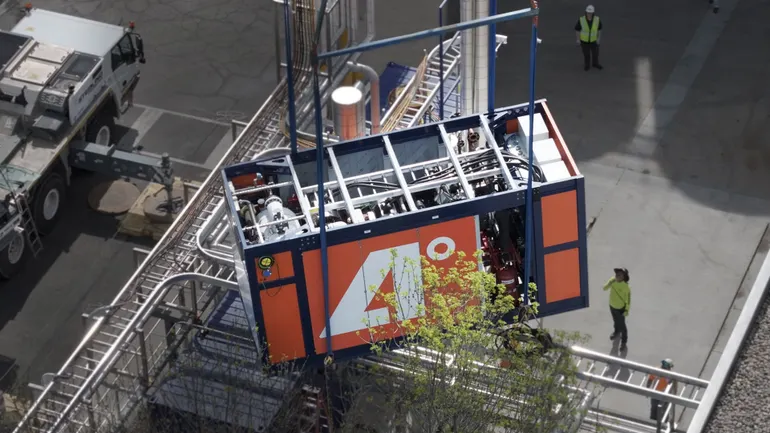
Stark emphasized the significance of heat in industrial emissions, with steam accounting for a significant portion of this heat in industries like food and beverage. AtmosZero’s innovative Boiler 2.0 utilizes proprietary technology to extract heat from the air and convert it into steam, eliminating the need for gas-powered boilers.
The focus of AtmosZero is on facilities with steam loads ranging from 1 to 5 megawatts of thermal capacity. Companies can choose to replace or supplement their existing boilers with electrified solutions, offering a seamless transition towards sustainability. Stark highlighted the simplicity of adopting their technology, making steam electrification a viable product rather than a complex project.
New Belgium Brewing, based in Fort Collins, Colorado, is one of the breweries that have integrated AtmosZero’s equipment into their operations. By installing an industrial electric boiler capable of generating up to 1 ton of steam per hour, the brewery aims to reduce its carbon footprint significantly.
The potential impact of heat pump technology on reducing greenhouse gas emissions is substantial, particularly in the brewing industry where steam production contributes significantly to emissions. By leveraging clean power sources, breweries can achieve a significant reduction in their environmental footprint.
Beyond the United States, breweries globally are taking steps towards decarbonization. Diageo, at its St. James’s Gate Guinness facility in Dublin, is phasing out fossil fuels to reduce emissions, while Heineken in Manchester, U.K., is utilizing heat pumps to replace steam boilers in line with their net-zero ambitions.
The use of heat pumps in manufacturing facilities like breweries is ideal due to their low to medium temperature requirements. However, a lack of awareness about these solutions may hinder widespread adoption. Efforts are being made to bridge this knowledge gap and make electrification more accessible to industries.
Grant programs and subsidies play a crucial role in incentivizing companies to invest in heat pump technology. While federal funding stability remains a challenge, initiatives at the state and local levels offer opportunities for companies to embrace sustainable solutions.
Skyven Technologies is another player in the heat pump market, offering industrial steam-generating solutions that address upfront cost barriers. By converting heat from equipment into usable steam, Skyven’s technology presents a cost-effective and efficient alternative for industries like food and beverage, ethanol, and pulp and paper.
Skyven’s business model involves sharing savings with customers based on measured energy efficiency, offering a sustainable and mutually beneficial approach. By integrating their technology with traditional boilers, Skyven ensures reliability and minimizes downtime, providing a seamless transition to sustainable energy solutions.
In conclusion, the adoption of heat pumps in breweries and other manufacturing facilities is a significant step towards achieving net-zero emissions. With innovative technologies and supportive initiatives, the industry is moving towards a more sustainable future.