

While in the destination for the World Travel Awards Caribbean, Sapphire Goss takes in some of the sites of this island of contrasts.
There are islands that fit the typical idea of the Caribbean: sugar-white sands, turquoise seas, palm trees. Saint Lucia has those elements but is also wilder, darker, greener. A place where mountains rise like the curve of a reclining body, their slopes veiled in verdant rainforest, where light smears across Castries harbour in molten shafts, and where the west coast road pitches you dizzyingly through vertiginous climbs and descents, weaving past shacks strung with fairy lights, hand-painted murals on shipping containers, and the scent of frying fish drifting from roadside grills.
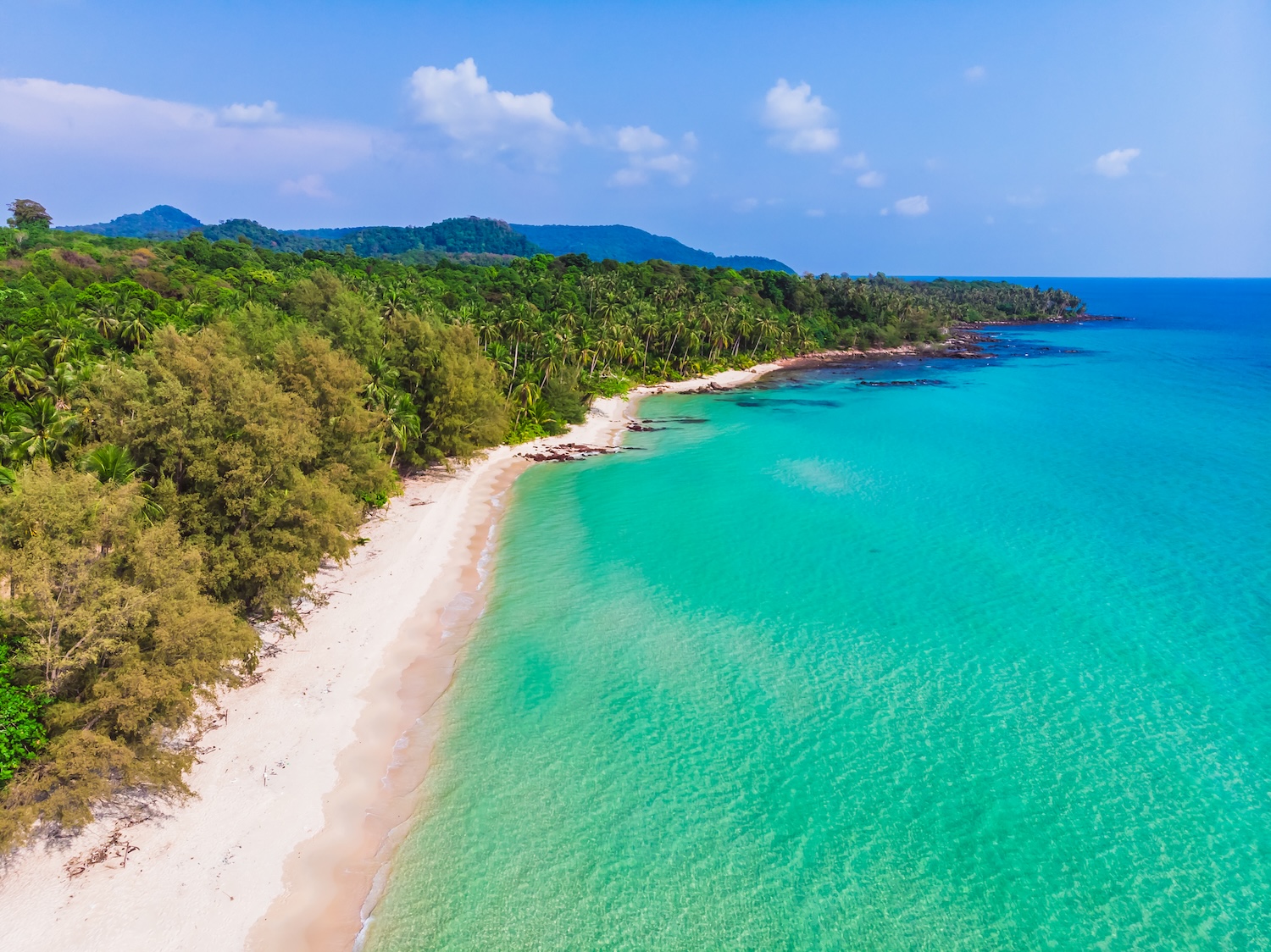
Saint Lucia, often translated as the “saint of light,” is an island of contrasts. Around 70% of its surface is rainforest. The soil here is compared to gold with bananas, cacao, nutmeg, and fruit thriving abundantly, and it is not uncommon for a guide to pluck guava or mango from a tree and press it into your hand, juice still warm from the sun. The land feels primordial, everything cloaked in ivy and jewelled flora, as though some submerged civilisation had been overtaken by Eden itself.
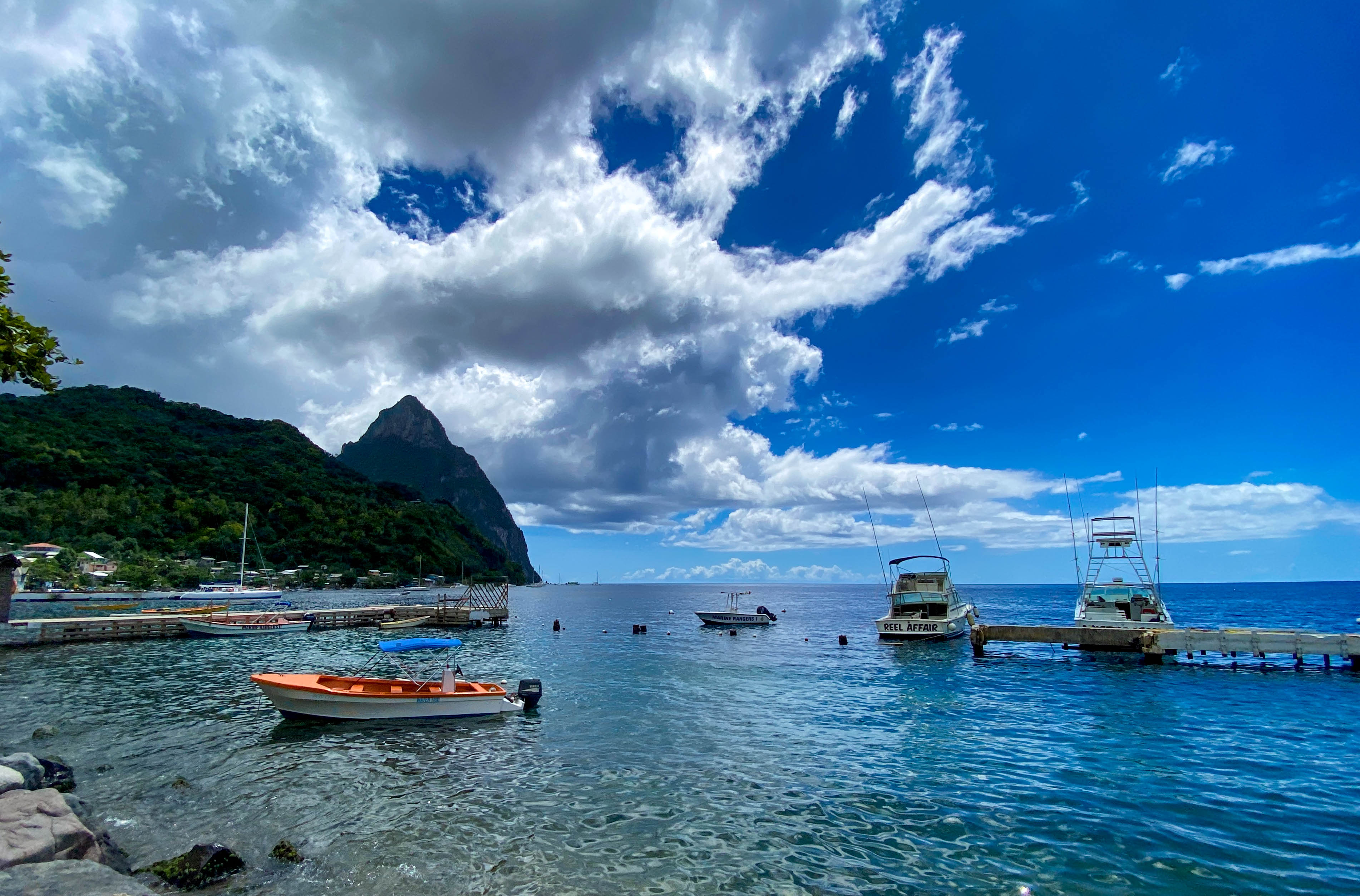
For tourism, these qualities offer a unique experience. The Caribbean is seeing powerful new trends, expanding from popular all-inclusives, honeymoons and cruises toward regenerative, community-driven experiences, demand for wellness rooted in nature and a hunger for the authentic for example Creole cuisine, fishing villages, roadside rum shacks, and cultural immersion. Saint Lucia is well-placed: its bubbling mud baths and volcanic springs offer more than spa-style pampering; its black-sand beaches and geothermal vents speak to travellers seeking depth, not just surface.
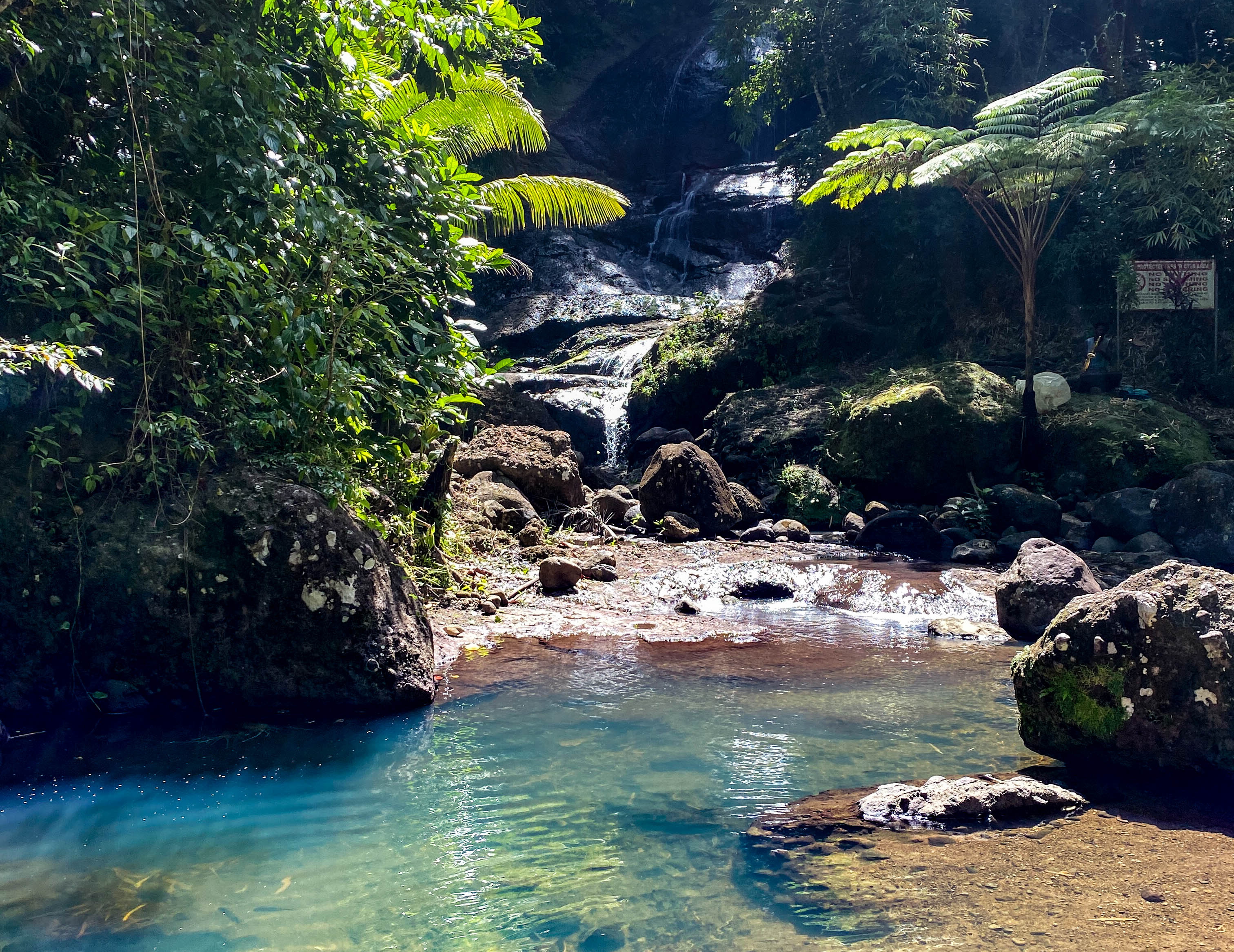
On the road to Soufrière, the island’s tourism offering comes into focus. A jeep safari with Island Tours winds down the coast, led by the charismatic and entertaining Crystal and the driver Johnathan (“PhD pothole dodger”). There are stops for snapshots of the jewel-like Marigot Bay, a short hike through luscious flowers and glittering forest streams to a waterfall plunge pool, and finally the Sulphur Springs where mineral-rich mud rejuvenates body and skin. Lunch is served Creole-style: fish fresh from the net, ground provisions from the soil, spices that linger on the tongue. Storytellers like Crystal, brimming with wit and warmth, connect travellers to local culture in a way no brochure ever could.
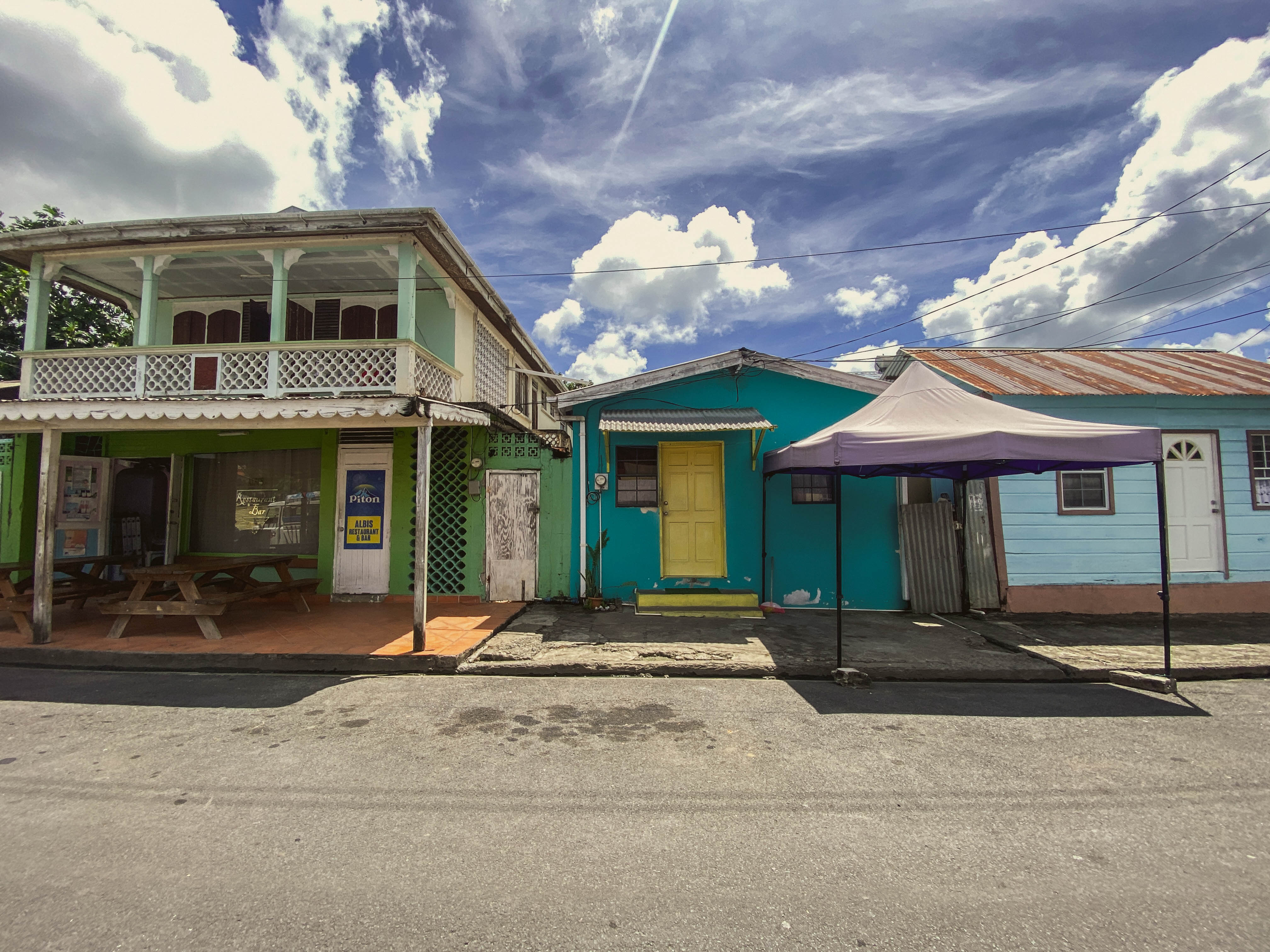
Visitors are now increasingly seeking this kind of immersion within a destination. Caribbean tourism reports highlight the growing appeal of boutique accommodations, eco-lodges, and homestays that offer flexibility and intimacy. For Saint Lucia, this aligns with the rise of brightly painted fishing villages on the west coast that welcome visitors for an authentic experience of local everyday life. Strings of cosy lights illuminate rustic bars, you can dive or snorkel around crags, caves, cliffs and reefs shimmering with luminous fish.
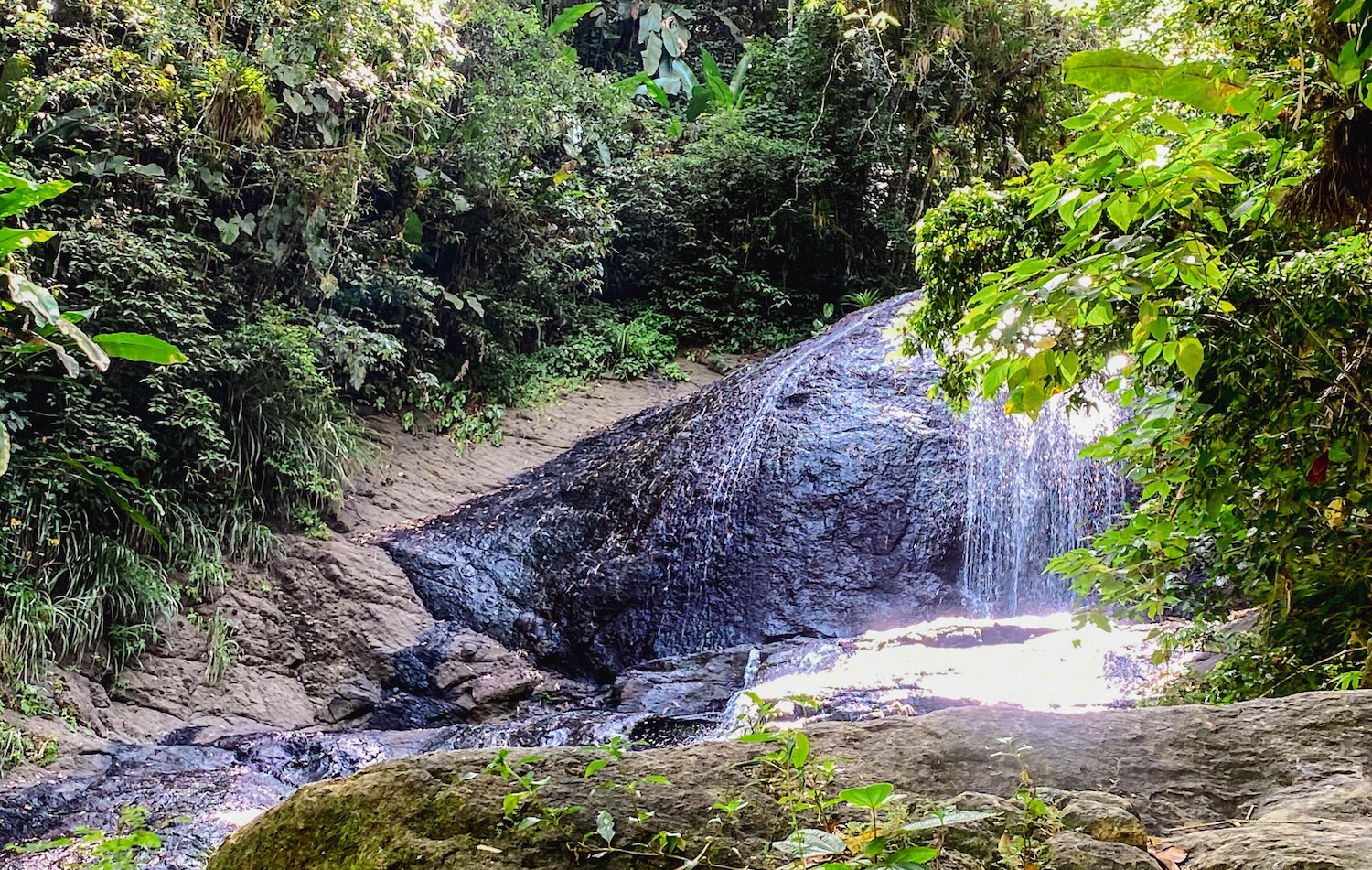
Wellness tourism too is flourishing here. Beyond yoga retreats and luxury spas, Saint Lucia offers geothermal healing, forest bathing in emerald canopies, and sea-based
therapies that embody the “blue mind” philosophy (the theory that being close to water puts us into a healing, meditative state). The island is a natural fit for those seeking to slow down from the chaos of everyday life and renew.
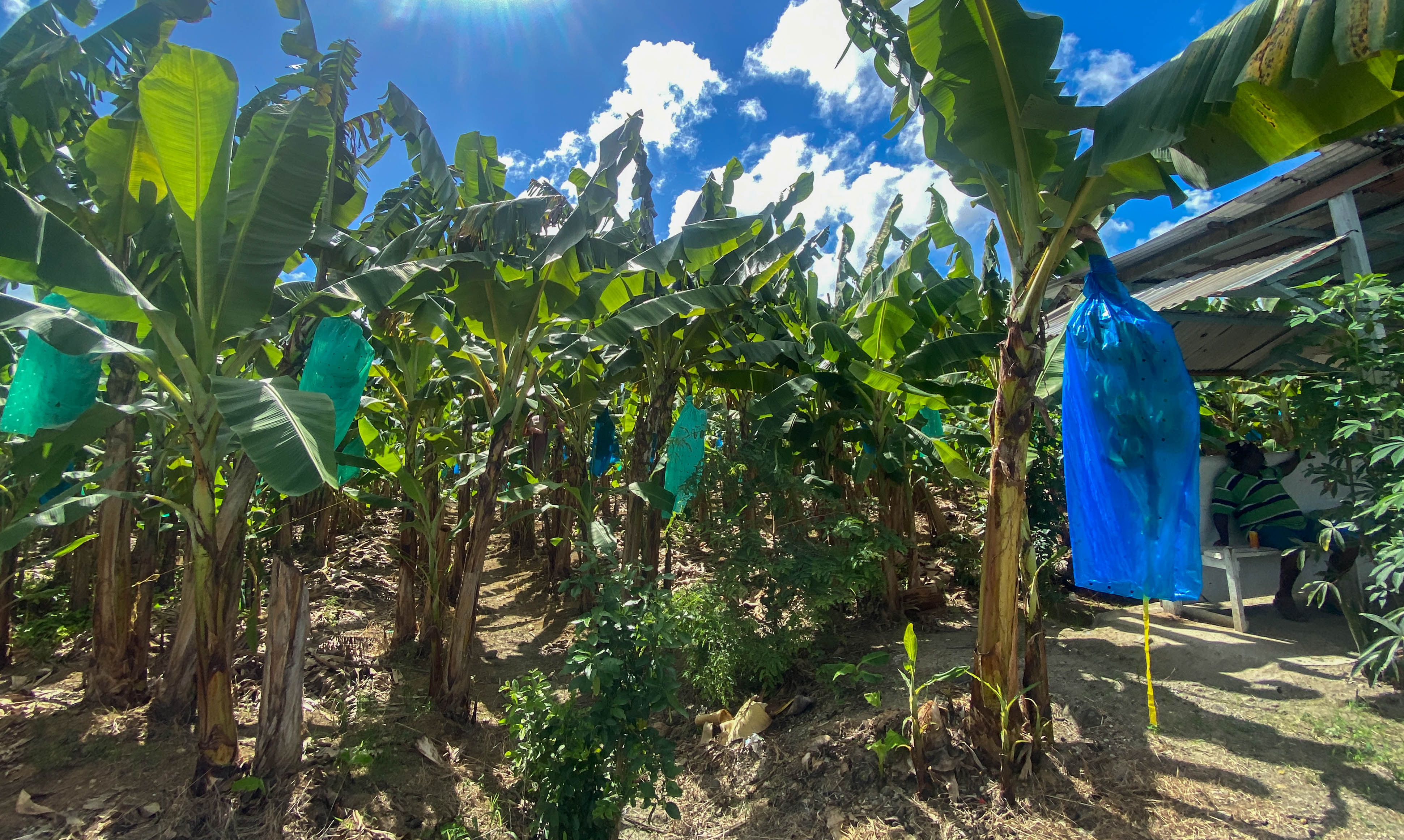
Saint Lucia’s appeal is not only aesthetic or ecological. It is strategic. While the wider Caribbean faces rising operational costs and competition from cheaper destinations, Saint Lucia can carve a niche in authentic, immersive, and sustainable travel. Multi-destination tourism is on the rise and Saint Lucia’s proximity to Martinique, Dominica, and Saint Vincent makes it a natural hub for eco-cultural circuits. There are challenges, of course such as sargassum seaweed, concerns over crime, and infrastructure strain but resilience is woven into the island’s story.
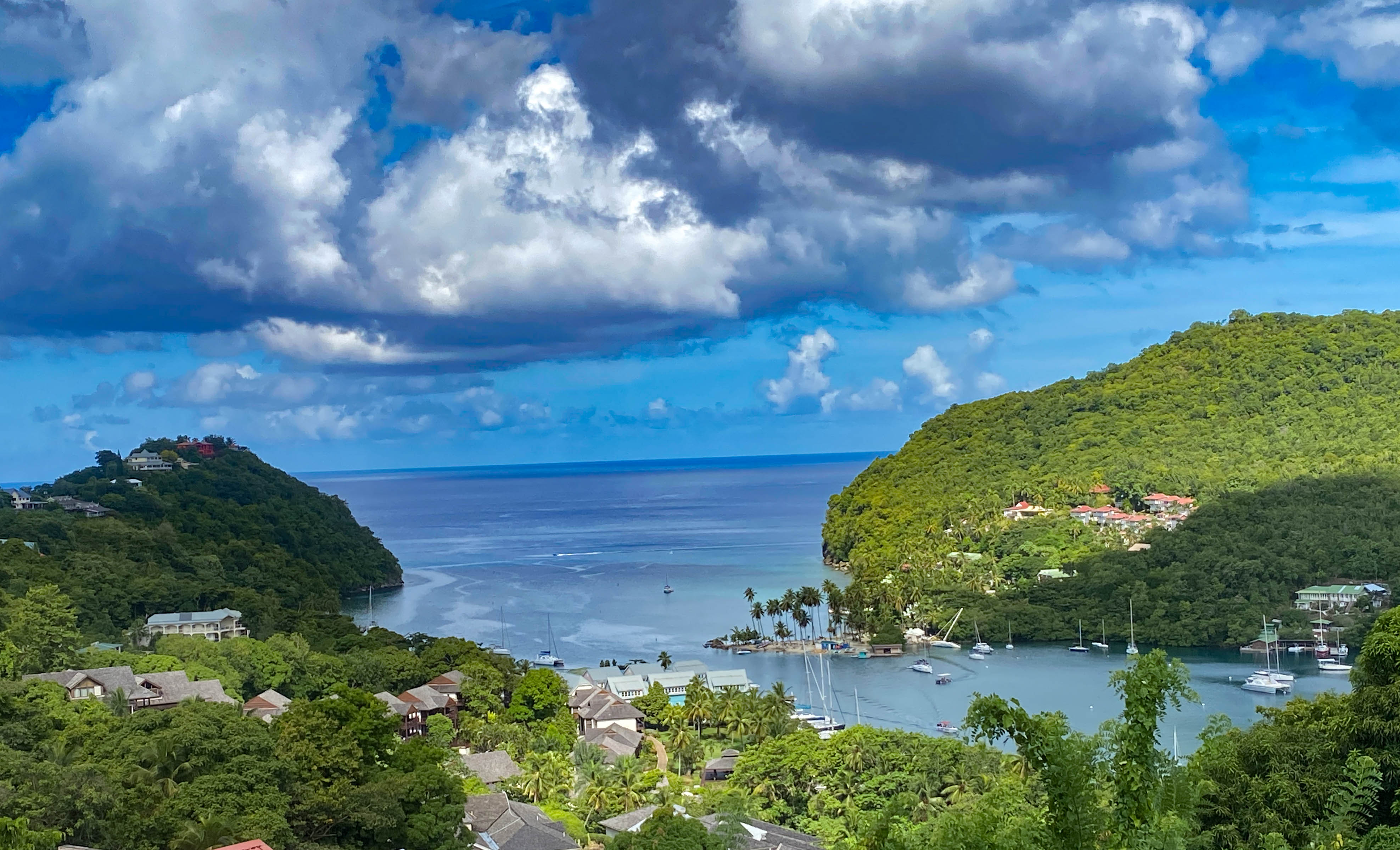
This is something more than a Caribbean paradise of travel posters. It is lush, unexpected, and alive. Jungle paths, black-sand coves, bubbling mud, cliffs riddled with caves, waterfalls crashing into hidden pools. A place where even the mountains appear clothed in emerald green robes, a place where time itself moves differently, a place that is experienced, absorbed, lived. In a Caribbean recalibrating its tourism identity, it is precisely this singularity that may be Saint Lucia’s greatest light.
Saint Lucia Tourism Authority was voted as Caribbean’s Leading Adventure Tourism Destination 2025 and Caribbean’s Leading Honeymoon Destination 2025 by the World Travel Awards