
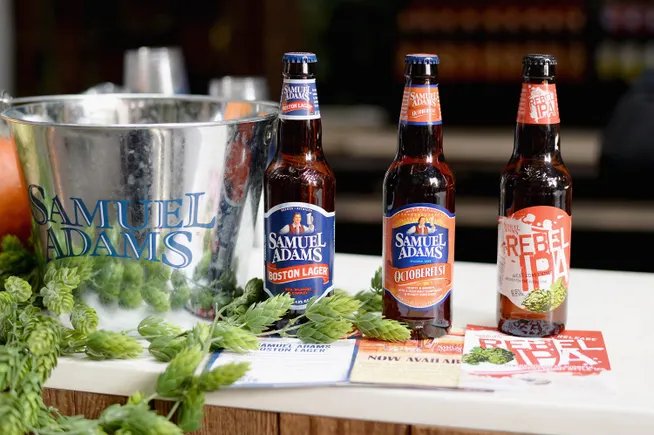
Changes at Boston Beer: Jim Koch Returns as CEO
After nearly two decades, Jim Koch, the founder and chairman of Boston Beer, is set to return as the company’s CEO. This move comes as Michael Spillane steps down from the position on August 15 to focus on personal matters, although he will continue to serve on the board of directors.
The decision to bring back Koch as CEO coincides with a challenging period for the beer industry, which has experienced a decline in consumption due to changing consumer preferences and economic uncertainties.
Boston Beer, known for its popular Truly Hard Seltzer, has faced setbacks in recent years as demand for its products has waned. During the most recent quarter, the company reported a 5% decrease in depletions compared to the previous year, with shipment volume also declining by 0.8%. While brands like Truly and Samuel Adams saw declines, others like Dogfish Head and Sun Cruiser experienced growth.
Koch, in an interview with The Wall Street Journal, expressed his intention to serve as CEO until a suitable internal successor is ready to take over. He emphasized the importance of grooming future leaders within the company to ensure a smooth transition in the coming years.
Despite not holding the CEO position for over 20 years, Koch has remained actively involved in the alcohol industry and Boston Beer, participating in earnings calls and industry events. His return as CEO may come as a surprise to some, but his deep knowledge of the company and the industry makes him a valuable asset in navigating the company’s future.
In a press release, Koch reassured shareholders of his commitment to delivering long-term value and expressed confidence in the management team and strategic direction of Boston Beer. The CEO transition at Boston Beer is part of a larger trend in the alcohol industry, with other major companies like Molson Coors and Diageo also undergoing leadership changes in recent months.
As the beer industry continues to evolve, Boston Beer looks to Jim Koch’s leadership to steer the company through challenging times and capitalize on new opportunities in the market.