
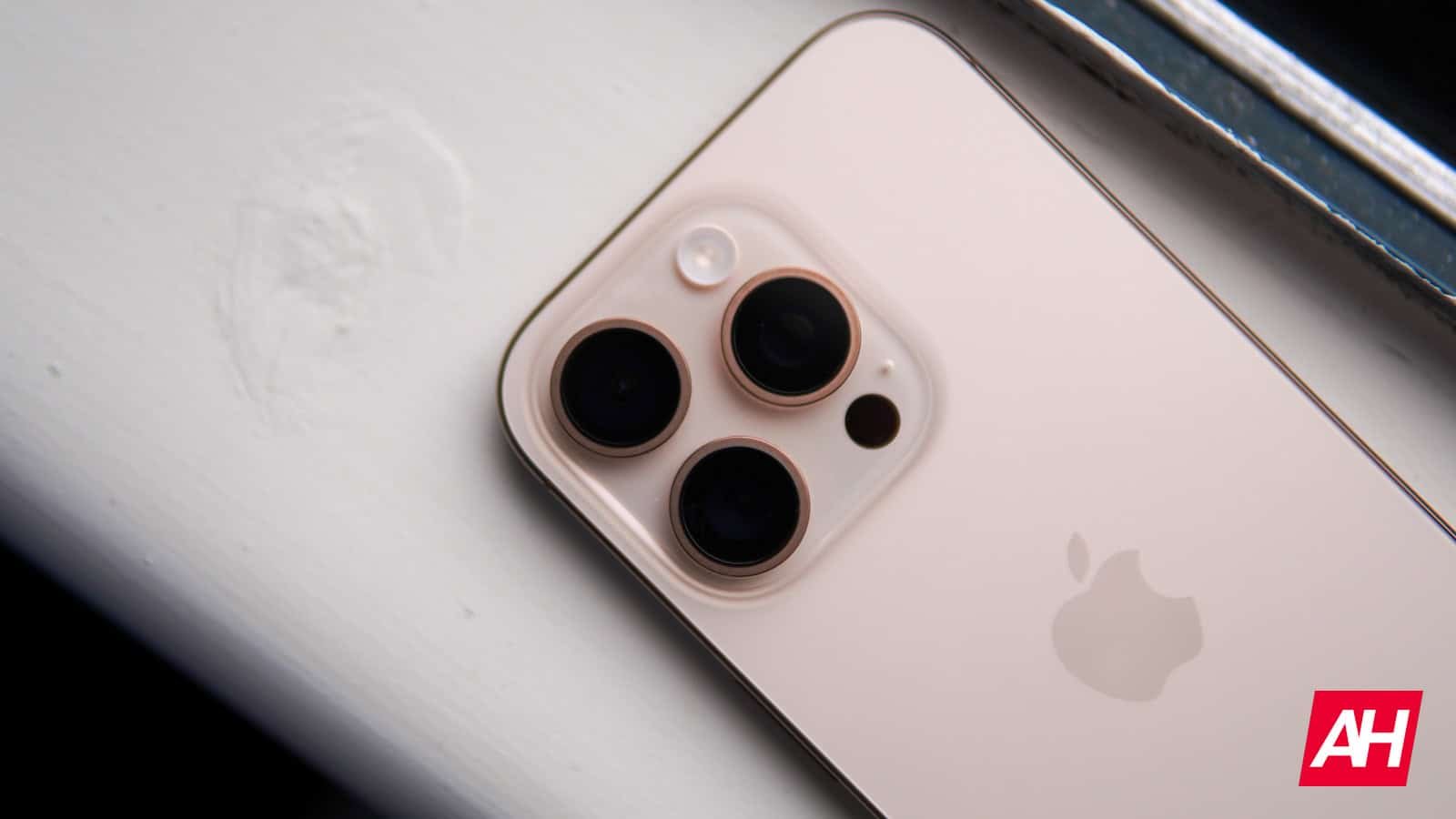
The next generation of iPhones could potentially revolutionize smartphone photography with the introduction of a new LOFIC camera sensor. This sensor, currently in testing by Apple, promises to deliver cinema-like quality in photos and videos, setting a new standard for smartphone cameras.
The LOFIC technology, short for Lateral Overflow Integration Capacitor, is a custom-designed CMOS sensor that allows each pixel to effectively manage light, capturing details in both bright highlights and dark shadows within the same shot. This means that even challenging scenes with varying light levels, such as a bright window and dark corners, can be captured with precision and clarity.
The most exciting aspect of this new sensor is its potential to offer an impressive 20 stops of dynamic range. For comparison, current iPhones typically offer around 12 to 14 stops of dynamic range. Achieving 20 stops would bring the iPhone’s HDR capabilities on par with professional cinema cameras, resulting in cleaner, sharper images, especially in difficult lighting conditions, without relying heavily on software enhancements that can sometimes compromise image quality.
In addition to the technical advancements, Apple’s move towards developing its own camera sensor signifies a shift towards self-sufficiency. Traditionally, Apple has relied on Sony for its camera sensors, but by creating its own LOFIC sensor, the company can have greater control over the entire imaging process. This development aligns with Apple’s strategy of integrating hardware and software seamlessly, a philosophy that has been evident in its custom chips for iPhones and Macs.
While the LOFIC sensor may not be included in the upcoming iPhone 17 models, there is speculation that it could debut in the iPhone 18 lineup. Furthermore, the sensor’s capabilities could extend beyond smartphones, potentially enhancing future versions of Apple’s mixed-reality headsets for a more immersive experience. If these leaks are accurate, the future of iPhone photography looks promising, and it will be interesting to see how competitors like Samsung respond to this technological advancement.