
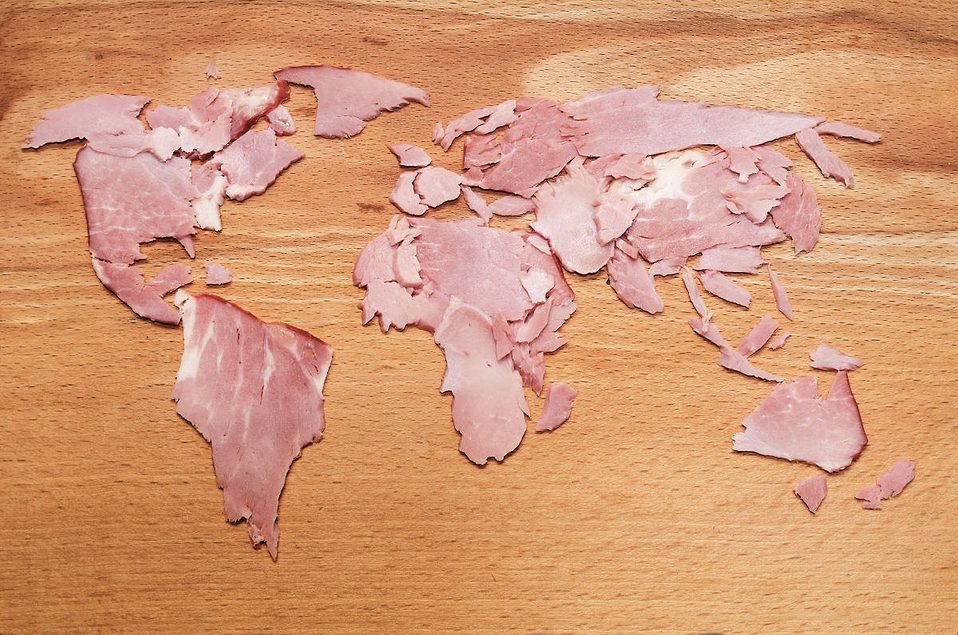
Global Animal Protein Industry Forecasted to Experience Production Slowdown in 2026
The global animal protein industry is expected to see a decrease in production growth in the upcoming year, as per a recent report by RaboResearch, a division of Rabobank. This decline is anticipated to be influenced by both cyclical factors, such as changes in the North American and Brazilian cattle markets, as well as structural factors, like China’s efforts to rebalance its pork market.
Poultry and Seafood Poised for Growth
Despite the overall slowdown, poultry and seafood are predicted to be the standout performers in 2026, leading the growth trajectory. Conversely, pork and beef production are expected to contract, marking the first reduction in global meat production in six years.
RaboResearch highlighted that pork production growth in North America will be limited by disease outbreaks and sow herd expansion, while beef production will decline as the cow herd transitions from liquidation to rebuilding. On the other hand, broiler production is projected to increase due to lower feed costs.
Éva Gocsik, global strategist animal protein at RaboResearch, stated, “While feed costs are expected to remain stable, reduced protein supplies, escalating volatility and trade expenses, and disease challenges will impact margins. Enhancing efficiency and productivity at both the farm and processor levels will be crucial in mature and developing markets.”
Challenges for Consumer Packaged Goods Companies
The reduction in beef and pork supplies may pose challenges for consumer packaged goods companies like Hormel Foods Corp. and Conagra Brands, Inc. Hormel noted in its recent earnings release that elevated beef and pork prices had an impact on its fiscal performance in 2025.
Conagra Brands’ CEO, Sean Connolly, mentioned that the company’s core inflation outlook had increased to 4% due to rising costs of animal proteins such as beef, pork, and turkey.
With global GDP growth expected to slow down, Gocsik suggested that consumers might become more price-sensitive, leading to changes in their consumption patterns.
Adapting to Uncertainty
Despite disruptions, animal protein trade remains robust, with strategic front-loading strategies helping to maintain volumes amidst volatility and changing tariffs. As geopolitical tensions evolve, new trade agreements could offer a boost to the industry.
Animal diseases continue to impact trade, squeeze margins, and put pressure on productivity. Recent outbreaks of African swine fever and avian influenza have prompted the industry to focus on biosecurity measures and disease management.
Technology adoption is on the rise as the industry seeks to mitigate risks, with artificial intelligence offering potential benefits for operational risk management and sustainability goals. However, investment in technology remains low.
Gocsik emphasized the importance of consumer trust, noting that consumers prioritize animal welfare, supply availability, price, food safety, and quality. This has led to advancements in transparency and traceability within the industry.