
In a recent report released by Bain & Co., it was revealed that while many companies have scaled back their public sustainability messaging, they are still heavily investing in sustainability initiatives, particularly when it comes to packaging. The report emphasizes that neglecting sustainability efforts would be a major strategic error for the paper and packaging industry, especially as regulations now play a significant role in shaping economics on a large scale.
Despite the decrease in outward sustainability communication, businesses are continuing to prioritize sustainability behind the scenes. In fact, sustainability is a key factor for packaging customers, with a majority of respondents in a recent survey indicating that they would switch suppliers within three years if sustainability metrics were not being met.
The report highlights that simply setting sustainability goals is no longer enough, and that companies must put in the hard work to achieve them. Sustainability issues surrounding packaging are a major focus in the report, along with themes such as rethinking supply chains, the role of artificial intelligence, chemical recycling, and expectations for mergers and acquisitions.
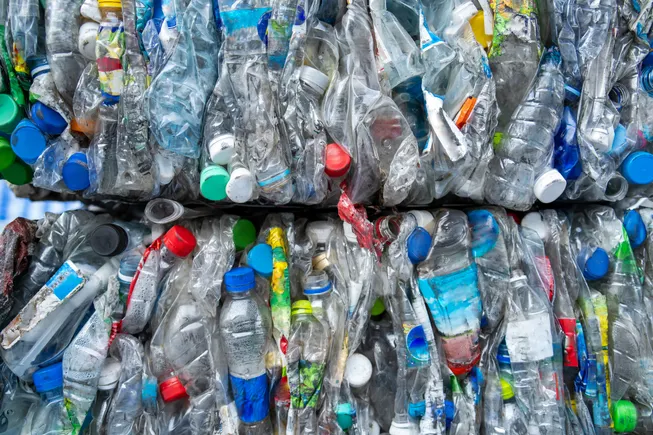
Over the past few years, companies have been grappling with the decision to switch packaging substrates, especially to reduce the use of plastics. Brands are under pressure to choose substrates that are perceived as more sustainable by consumers, and environmental regulations and material innovations are also driving this shift.
According to Bain’s estimates, approximately 60% of consumer packaging globally is made of plastic, while 20% is fiber-based. Consumers and regulators are increasingly pushing for more sustainable options, particularly in categories like cups, lids, containers, boxes, and clamshells, where plastic usage is high but expected to face regulatory challenges.
In a survey conducted with consumers in the United States and other countries, it was found that paper and glass packaging were preferred over plastic for products purchased at grocery stores. Manufacturers of non-plastic substrates are working on innovating to replicate the qualities of plastic packaging and gain market share, with fiber producers focusing on improving barrier properties.
Recyclability was ranked as the top packaging sustainability attribute by respondents in the Bain survey, followed closely by recycled content. However, there is a growing gap between the demand for recycled plastic and the supply, with Bain predicting a potential 30% to 40% shortfall in certain resin types by 2030.
Overall, the packaging industry has seen significant changes over the past few years, with sustainability becoming a critical focus for businesses and consumers alike. It is clear that companies must continue to prioritize sustainability initiatives to stay competitive and meet the evolving demands of the market.