
Pro-AI Super PAC Targets New York Assembly Member Alex Bores in Congressional Bid
A super PAC supporting AI innovation, backed by influential figures like Andreessen Horowitz and OpenAI President Greg Brockman, has set its sights on New York Assembly member Alex Bores and his congressional campaign. The PAC, known as Leading the Future, was established with a significant financial commitment to advocate for policymakers who adopt a hands-off approach to AI regulation. This means challenging lawmakers who seek to impose regulations on AI technology.
Leading the Future has garnered support from various tech leaders, including Joe Lonsdale, co-founder of Palantir, and AI search engine Perplexity. The super PAC’s primary objective is to oppose candidates like Bores who advocate for regulating AI technology.
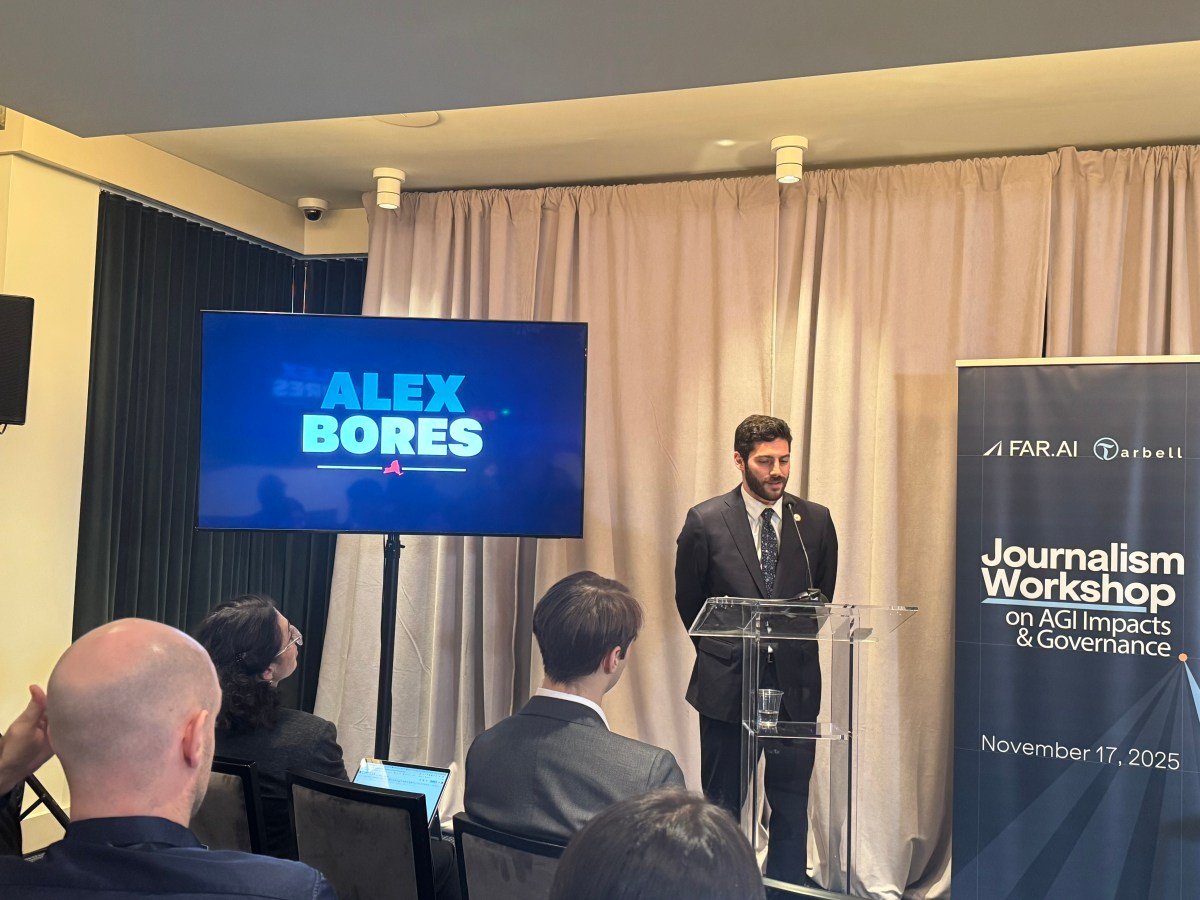
During a recent Journalism Workshop in Washington, D.C., Bores acknowledged the super PAC’s opposition to his campaign, citing concerns raised by his constituents regarding the impact of AI on various aspects of society. Bores emphasized the need for regulations to address potential risks associated with AI, particularly in areas such as data security, environmental impact, mental health, and job displacement.
One of Bores’ key legislative initiatives is the bipartisan RAISE Act, which aims to establish safety protocols for large AI labs, enforce transparency in AI operations, and impose penalties for non-compliance with safety standards. The bill, awaiting approval from Governor Kathy Hochul, has sparked controversy within the tech industry, particularly in Silicon Valley.
Despite consulting with major AI firms like OpenAI and Anthropic during the bill’s drafting process, Bores faced opposition from industry stakeholders on certain provisions, leading to tensions between policymakers and tech companies. Leading the Future, led by Zac Moffatt and Josh Vlasto, has launched a campaign to discredit Bores’ legislative agenda, accusing him of hindering AI innovation and economic growth.
Bores, however, remains steadfast in his commitment to responsible AI regulation, emphasizing the importance of establishing clear guidelines to promote innovation while safeguarding public interests. He believes that a unified national framework for AI regulation is essential to maintain America’s competitive edge in the global AI landscape.
As debates over AI regulation continue at both the state and federal levels, Bores advocates for a collaborative approach among policymakers to harmonize AI legislation and prevent regulatory inconsistencies. He highlights the significance of building trust in AI technology through transparent and accountable governance practices.
Ultimately, Bores views AI regulation as a means to foster innovation and ensure the ethical development of AI systems. By balancing regulatory oversight with industry growth, he aims to create a conducive environment for technological advancement while addressing societal concerns related to AI implementation.