
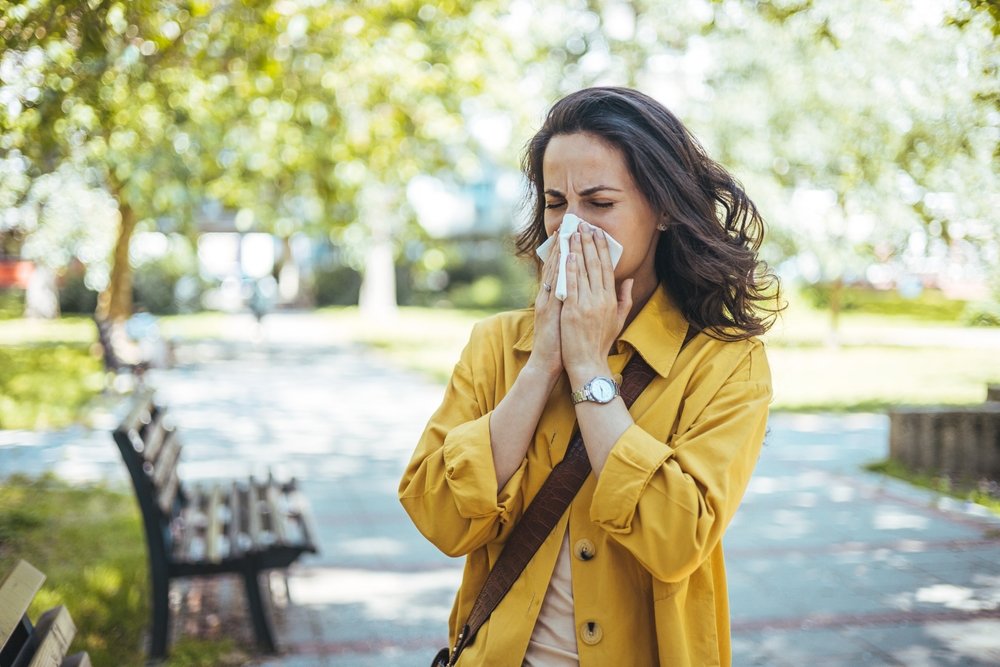
Spring is fast approaching, bringing with it a new set of seasonal illnesses that can be particularly challenging for parents. Allergies, asthma, respiratory viruses, and allergic pink eye tend to peak during the Spring months, causing discomfort and disruptions to daily life.
Dealing with these illnesses can be stressful, but there are natural ways to manage symptoms and even prevent them from occurring in the first place.
Spring allergies are a common issue for many people, causing symptoms such as sneezing, itchy eyes, headaches, and congestion. These allergies are triggered by the immune system’s overreaction to airborne pollen and allergens. To reduce symptoms, it is essential to minimize exposure to pollens inside the home. This can be achieved through regular dusting, changing bedsheets, using allergen-friendly mattress and pillow covers, vacuuming frequently, and using an air purifier with a HEPA filter. Keeping windows closed, pets out of bedrooms, and removing shoes before entering the house can also help reduce allergens indoors. Nasal saline sprays, Quercitin, Butterbur, Vitamin C, and probiotics can also be beneficial in managing allergy symptoms.
Seasonal asthma is another concern during the Spring months, as asthma symptoms can be triggered by seasonal allergens and changes in weather. To reduce the risk of asthma attacks, it is important to minimize exposure to allergens that can trigger an asthmatic response. Symptoms of asthma include coughing and wheezing, and it is crucial to address inflammation through natural remedies. Children with asthma symptoms may require a steroid inhaler for flare-ups and should be monitored by a healthcare provider.
Respiratory viruses are not exclusive to the winter months, as many circulate from March through May. Good hygiene practices, a whole foods diet, adequate sleep, exercise, and hydration can help strengthen the immune system and reduce the risk of viral infections. Vitamin D, Zinc, Pelargonium sidoides, and Quercitin are effective in treating respiratory viruses, but medical evaluation is necessary if symptoms persist or worsen.
Pink eye, or conjunctivitis, can be infectious or non-infectious, with allergic pink eye being more common in the Spring. Bacterial and viral pink eye can also occur at any time of the year. Natural remedies such as Vitamin C, Zinc, Vitamin D, elderberry, quercetin, butterbur, and probiotics can help manage pink eye symptoms, but prescription medication may be needed for bacterial pink eye. Prevention is key in managing allergic pink eye, by reducing exposure to allergens and maintaining a low-inflammatory diet.
By taking proactive steps to create a pollen-free home environment and supporting the immune system with natural remedies, parents can effectively manage and prevent seasonal illnesses. Staying ahead of symptoms and incorporating environmental controls and nutritional support can make a significant difference in minimizing the impact of Spring illnesses on the family.