
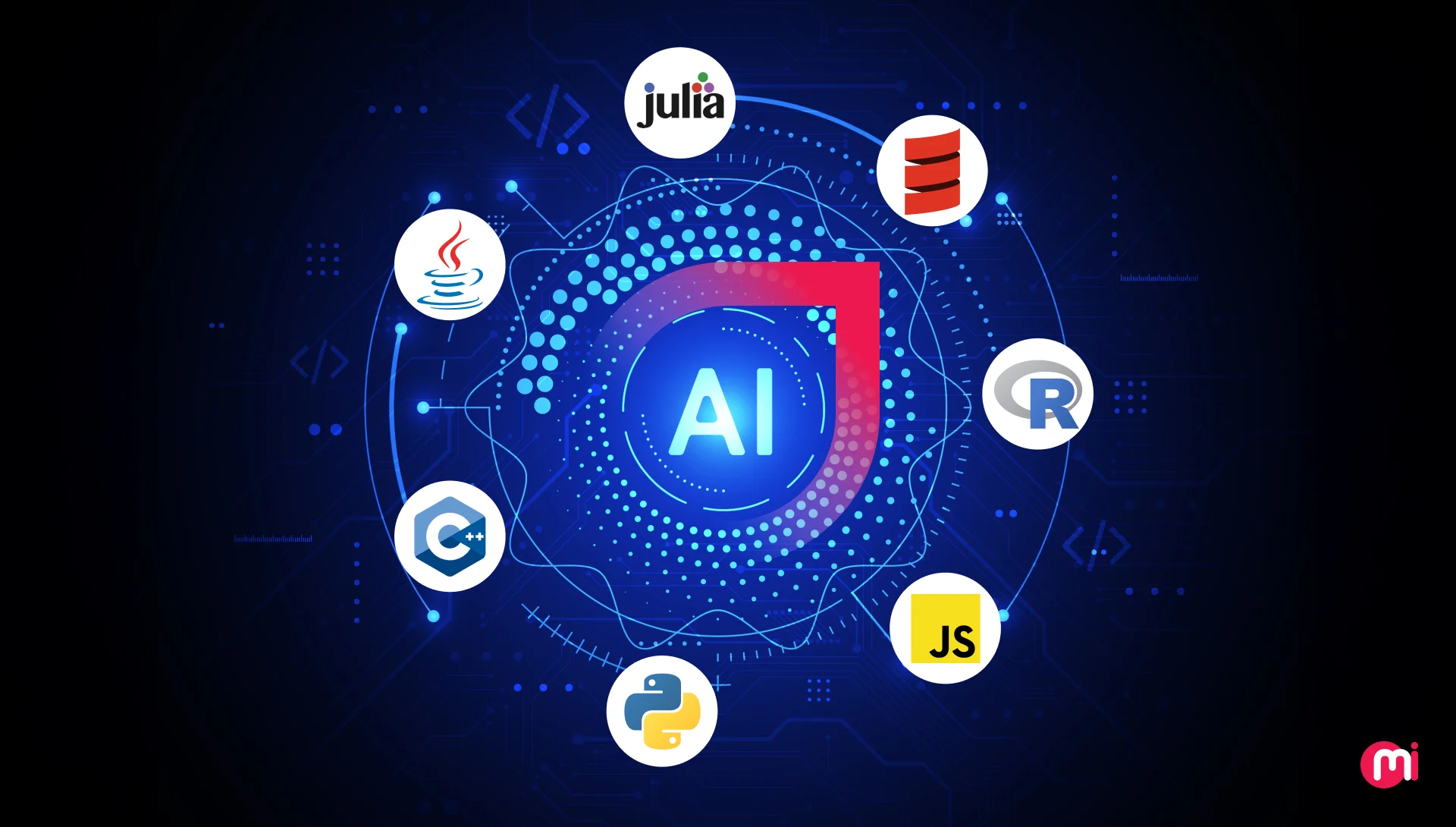
In the rapidly evolving world of artificial intelligence (AI), the importance of programming languages cannot be overstated. As we delve into the 21st century, the impact of AI is becoming increasingly prominent, making it essential for both developers and non-developers to have a basic understanding of the programming languages that underpin this transformative technology.
Python, often hailed as the undisputed king of AI programming languages, plays a crucial role in automation and training machine learning algorithms. Its versatility and extensive library support have made it a favorite among beginners and seasoned developers alike. On the other hand, Java offers scalability and reliability, making it a popular choice for enterprise-level AI applications.
As the AI market continues to grow exponentially, with projections reaching trillions of dollars by 2031, the need for proficient programming languages in AI development is more crucial than ever. From generating art platforms to life-saving medical advancements, AI is revolutionizing various industries, driving the demand for skilled professionals proficient in AI programming languages.
In this comprehensive guide, we will explore the top AI programming languages that are shaping the future of artificial intelligence. These languages are specifically designed to simulate human intelligence, providing a foundation for creating algorithms that can analyze data, identify patterns, and make informed decisions.
Python, with its vast ecosystem of libraries such as PyTorch and TensorFlow, has become the go-to language for AI and machine learning development. Its simplicity and readability make it ideal for prototyping and general AI applications. Moreover, Python’s rich library support, vibrant community, and flexibility have solidified its position as a powerhouse in the AI landscape.
R, on the other hand, specializes in statistical analysis, making it a preferred choice for researchers and data scientists. Its tools like ggplot2 enable the creation of complex data visualizations, making it indispensable for data analysis and research.
Java, known for its scalability and stability, is widely used in building enterprise-level AI applications. Its robust ecosystem, including libraries like Deeplearning4j and Weka, makes it an ideal choice for large-scale systems that require high performance and reliability.
C++, with its unmatched speed and low-level memory management, is the preferred language for performance-critical AI applications. From real-time systems to robotics, C++ excels in applications where speed and efficiency are paramount.
Julia, a modern language known for its high performance and simplicity, is gaining popularity in scientific computing and research. Its speed and native support for parallel computing make it a valuable asset for computationally demanding AI tasks.
JavaScript, with its seamless integration with web platforms, is essential for developing AI applications with interactive user experiences. Its event-driven model and real-time capabilities make it ideal for client-side and web-based AI applications.
Scala, running on the Java Virtual Machine (JVM), combines object-oriented and functional programming, making it a top choice for big data processing and distributed machine learning pipelines.
In conclusion, choosing the right AI programming language is a critical step in any AI project. While Python remains a versatile and popular choice for most applications, specialized tasks may require different tools. Whether it’s enterprise-level stability, raw performance, or big data processing, there is a programming language tailored to meet the unique needs of each AI project. By making strategic choices and partnering with experts in AI development, businesses can harness the full potential of artificial intelligence and drive innovation in their respective industries.