
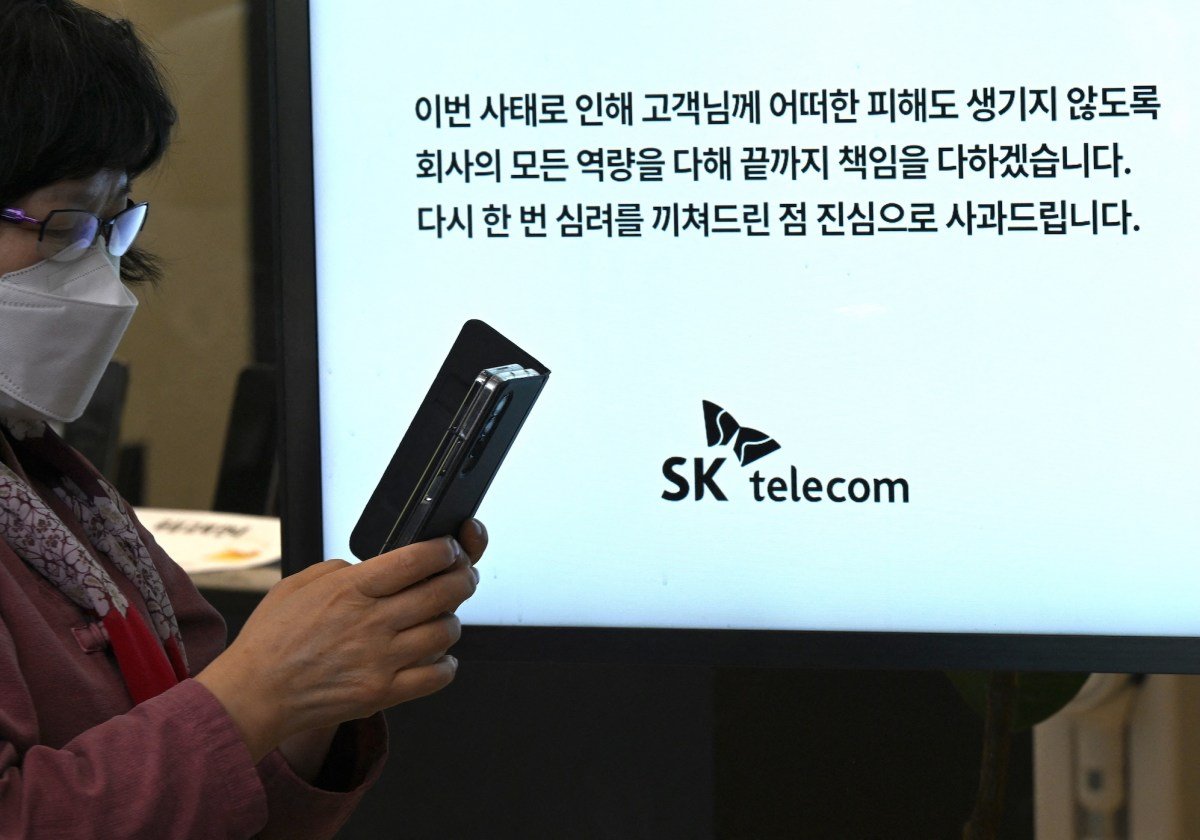
South Korea, known for its technological prowess and digital innovation, has found itself at the forefront of cyber warfare. The country’s rapid advancements in technology have made it a prime target for hackers, exposing the vulnerabilities in its cybersecurity defenses. As a result, South Korea has been plagued by a series of high-profile cyberattacks, impacting various sectors such as credit card companies, telecoms, tech startups, and government agencies.
One of the major challenges facing South Korea’s cybersecurity efforts is the fragmented system of government ministries and agencies, leading to slow and uncoordinated responses to cyber threats. With no clear government agency designated as the “first responder” in the event of a cyberattack, the country’s cyber defenses have struggled to keep pace with its digital ambitions.
Brian Pak, CEO of a cybersecurity firm in Seoul, highlighted the reactive nature of the government’s approach to cybersecurity, emphasizing the need for a more proactive strategy to protect critical national infrastructure. The lack of coordination among government agencies has also hindered the development of digital defenses and the training of skilled cybersecurity professionals, leading to a shortage of expertise in the field.
The prevalence of cyber incidents in South Korea has raised concerns about the resilience of the country’s digital infrastructure. From data breaches at major retail and telecom companies to ransomware attacks on online platforms, the frequency and severity of cyberattacks continue to pose a significant threat to South Korea’s cybersecurity landscape.
In response to the escalating cyber threats, the South Korean government has announced comprehensive cyber measures led by the National Security Office. This interagency plan aims to enhance coordination among multiple agencies and implement legal changes that empower the government to launch investigations into cyber incidents promptly.
As South Korea grapples with the ongoing challenges of cybersecurity, it is clear that a concerted effort from government agencies, private sector organizations, and cybersecurity experts is essential to strengthen the country’s defenses against cyber threats. By prioritizing proactive measures, investing in cybersecurity training and resources, and fostering collaboration across sectors, South Korea can enhance its resilience in the face of evolving cyber risks.
South Korea’s Cyber Defenses Strengthened with New Measures
For years, South Korea has struggled with a lack of a first responder in the cyber defense sector, hindering its ability to combat online threats effectively. To address this issue, new steps have been introduced to bolster the nation’s defenses.
However, the current system in South Korea is fragmented, leading to weak accountability. While some suggest placing all authority in a presidential “control tower,” concerns have been raised about the potential for politicization and overreach, according to experts.
One proposed solution is to strike a balance between centralized coordination and independent oversight. By establishing a central body to set strategy and handle crisis coordination, paired with independent agencies to provide oversight, power can be effectively managed and checked. This hybrid model would allow expert agencies like KISA to continue handling technical tasks, but with clearer rules and accountability in place.
When contacted for comment, a spokesperson for South Korea’s Ministry of Science in ICT emphasized the government’s commitment to addressing the growing cyber threats facing the nation. Collaborative efforts between the ministry, KISA, and other relevant agencies are ongoing to minimize potential harm to businesses and the public.
This article was originally published on September 30.