
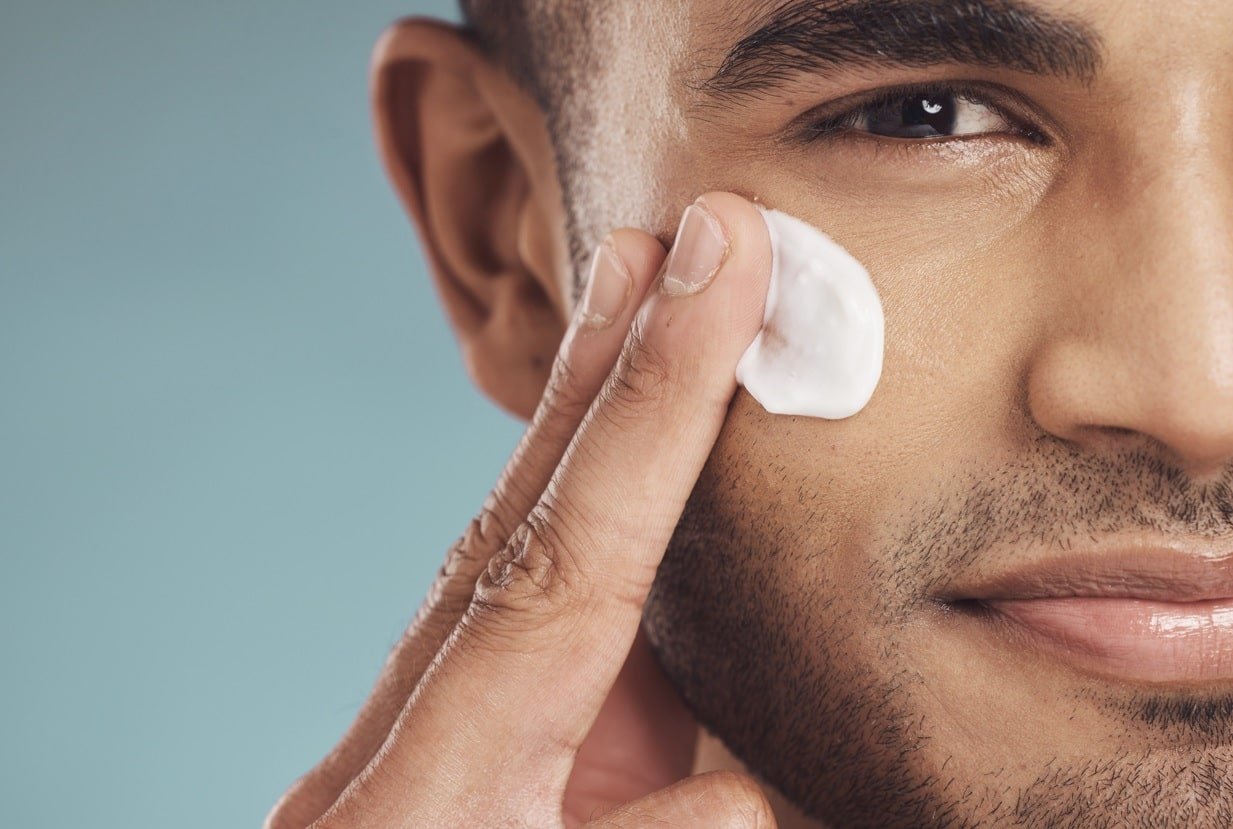
Skin issues can vary from minor annoyances to persistent problems that require ongoing management. While some skin conditions are purely cosmetic, others can cause significant discomfort and may necessitate medical attention. This article delves into some of the most prevalent skin conditions and offers effective treatment strategies to promote clear and radiant skin.
## Acne: More Than Just Pimples
Acne is a common skin condition that impacts individuals from adolescence to adulthood. It occurs when hair follicles become blocked with oil and dead skin cells, resulting in whiteheads, blackheads, and pimples. To effectively address acne, establishing a skincare routine that includes gentle cleansing with products designed for acne-prone skin is essential. Over-the-counter treatments containing ingredients like benzoyl peroxide or salicylic acid can be beneficial. In severe cases, a dermatologist might recommend prescription medications such as topical retinoids or oral antibiotics.
## Eczema: The Itch That Rashes
Eczema, also known as atopic dermatitis, is a chronic condition characterized by dry, itchy skin that can develop into rashes when scratched. Managing eczema involves regular moisturizing with creams or ointments to preserve the skin’s barrier. Avoiding irritants like harsh soaps, tight clothing, and allergens is crucial. Topical corticosteroids are often prescribed to reduce inflammation during flare-ups. For severe cases, newer treatments like biologic drugs targeting the immune system’s response may be considered.
## Psoriasis: Beyond Skin Deep
Psoriasis is an autoimmune disorder that accelerates the skin cell life cycle, leading to rapid buildup on the skin’s surface. This buildup results in scales and red patches that can be itchy and painful. Treatment typically includes topical treatments such as corticosteroids and vitamin D analogues. Light therapy utilizing natural or artificial ultraviolet light is another effective option. Systemic treatments, including oral or injected medications, are reserved for individuals with moderate to severe psoriasis or when other treatments prove ineffective.
## Rosacea: Flushing and Visibility
Rosacea is a chronic skin condition characterized by redness and visible blood vessels on the face, along with small, red, pus-filled bumps. Symptoms can flare up for weeks to months before subsiding. Managing rosacea involves avoiding triggers like sun exposure, hot foods, or alcohol that can exacerbate symptoms. Skincare should entail gentle cleansing and the use of products formulated for sensitive skin. Prescription gels or creams that reduce inflammation and redness are commonly prescribed. In certain instances, laser therapy or oral antibiotics may be recommended.
## Skin Cancer: A Preventable Concern
Skin cancer is a prevalent form of cancer globally, but it is also highly preventable. Key prevention strategies include using sunscreen with a high SPF, wearing protective clothing, and avoiding peak sun hours. Regular skin checks by a dermatologist are essential for early detection and treatment. Treatment options for skin cancer may involve surgical removal, radiation therapy, or chemotherapy, depending on the cancer type and stage. Understanding the various types of skin cancer—basal cell carcinoma, squamous cell carcinoma, and melanoma—each with distinct symptoms and treatment regimens, is crucial for early intervention and prevention.
## Warts and Verrucas
Warts and verrucas are common viral skin infections, with verrucas specifically appearing on the soles of the feet. While generally harmless, these growths can be unsightly and occasionally painful. Prompt and effective treatment strategies are essential for addressing these issues to prevent spread and alleviate any discomfort or self-consciousness associated with their appearance.
## Conclusion
Dealing with skin conditions can be challenging, but having a clear understanding of your condition and knowing how to manage it can alleviate stress and discomfort. Whether you’re coping with a chronic condition like eczema or addressing a temporary issue like warts, implementing the right care strategies can make a significant difference. Consult a dermatologist for a personalized diagnosis and treatment plan tailored to your specific needs. With proper guidance and care, achieving clear and healthy skin is not just a possibility—it’s a reality.