
The snack category is seeing a rise in protein promotions due to various factors such as new product launches, consumer preferences, and the use of GLP-1 medications. When it comes to adding protein to baked snacks, there are two main options: dairy proteins and plant proteins.
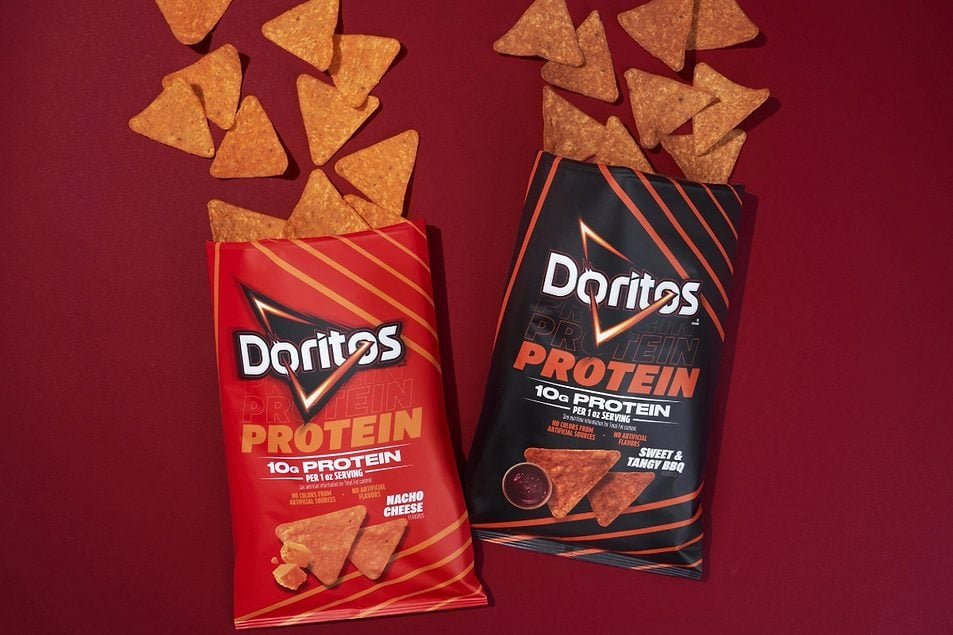
PepsiCo recently introduced Doritos Protein, a snack with 10 grams of protein per serving. The primary source of protein in this product is dairy-based (casein) protein. This innovation reflects PepsiCo Foods’ commitment to meeting the evolving preferences of consumers towards functional ingredients in their snacks.
Another notable product is Kraft Heinz’s PowerMac, a version of Kraft Mac & Cheese with 17 grams of protein and 6 grams of fiber per serving. The pasta contains protein sources like wheat flour, pea protein isolate, and vital wheat gluten, while the cheese sauce mix includes whey, milk, and whey protein concentrate.
Dairy proteins like whey and casein, as well as egg proteins like ovalbumin and ovomucin, are considered complete proteins, containing all essential amino acids. The demand for protein-rich snacks has increased with the rise in GLP-1 medication users.
Plant-based proteins are also gaining popularity, especially among plant-forward consumers. Soy, pea, and wheat proteins are favored for their clean taste, versatility, and nutritional benefits. Ingredients like beans, pulses, ancient grains, and seeds are also being used to enhance the protein content and overall nutritional profile of snacks.
Incorporating protein into snacks like crackers and chips requires careful consideration of how the protein interacts with other ingredients in the system. Functional ‘helper’ ingredients like starches play a crucial role in maintaining texture and flavor in snacks. Adjustments to hydration levels, mixing, and baking conditions may be necessary when working with proteins in snack formulations.
When developing high-protein snacks like tortilla chips or puffs, a balance of protein sources is essential to achieve the desired texture and flavor. Blending different protein sources and utilizing starch solutions can help enhance the protein content without compromising the overall snack experience.
Overall, the snack industry is seeing a shift towards protein-rich offerings to meet the growing demand from consumers seeking snacks with functional ingredients. By incorporating dairy and plant proteins into baked snacks, manufacturers are able to provide consumers with more nutritious and satisfying snack options.