
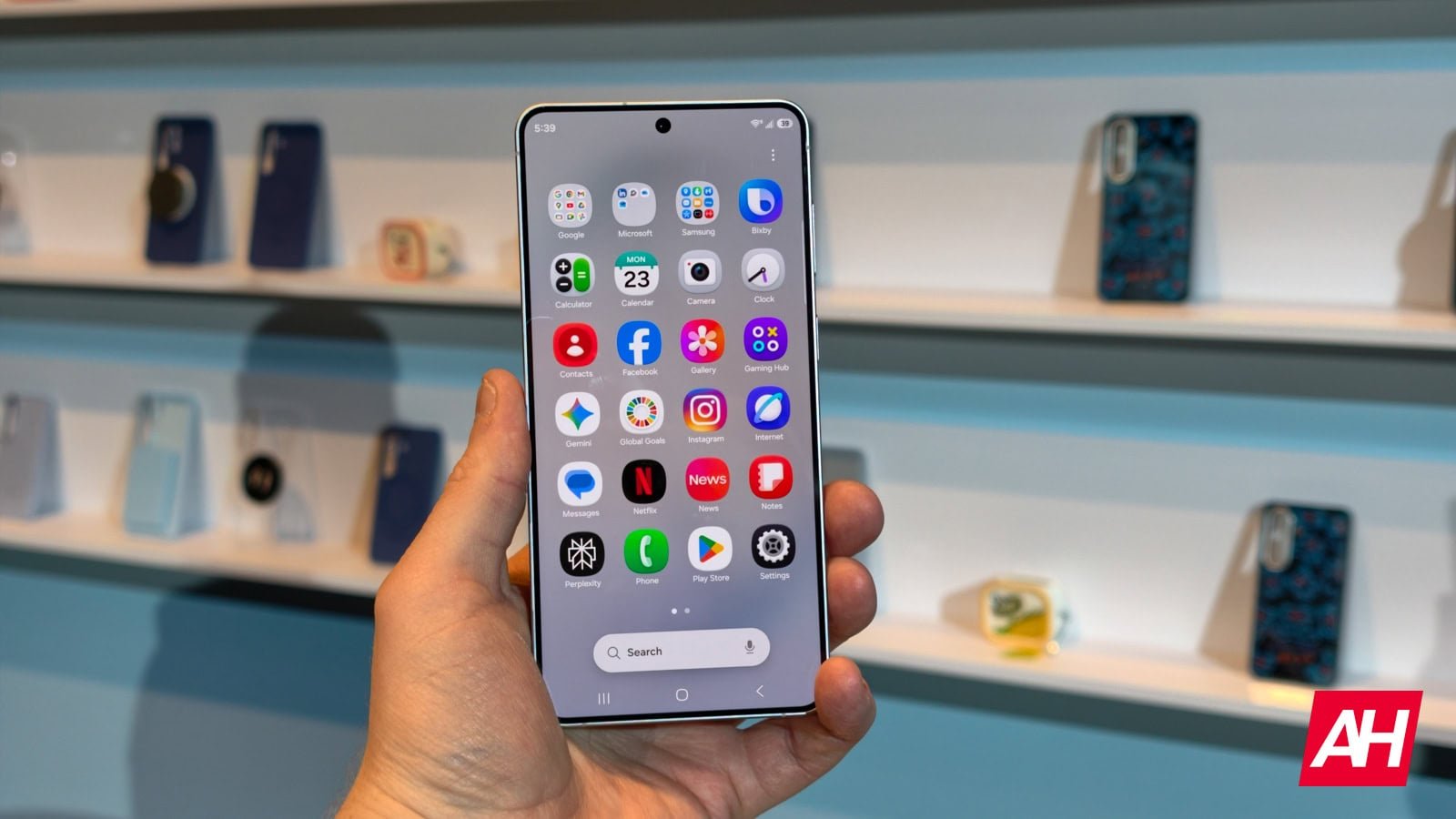
Samsung’s flagship phones are known for their high-quality displays, typically manufactured by Samsung itself. However, recent reports suggest that this may soon change. According to industry sources, Samsung is considering using OLED displays from Chinese supplier BOE in some models of the upcoming Galaxy S27 series in order to cut costs.
The smartphone industry is currently facing a “DRAM crisis,” with memory and storage prices on the rise. To offset these increased costs without passing them on to consumers or sacrificing profits, Samsung is exploring ways to save money elsewhere. One potential area for cost-cutting is the display, which is one of the most expensive components of a phone.
In an effort to keep the base model of the Galaxy S27 competitively priced, Samsung is looking into a dual-sourcing strategy. While Samsung Display will continue to supply the majority of panels, discussions are underway with BOE to provide screens for the base model.
If this partnership comes to fruition, it would mark a significant shift in the industry. While companies like TCL CSOT have already entered Samsung’s mid-range supply chain, BOE has been vying for a spot in the flagship Galaxy S series for some time. The current economic climate may finally pave the way for them to achieve this goal.
One challenge for Samsung will be managing any potential discrepancies in quality. Historically, Samsung Display’s panels have been known for their superior brightness and efficiency compared to Chinese alternatives. If the partnership with BOE moves forward, the standard Galaxy S27 may not only use older OLED materials but could also face consistency issues if some units come with Samsung screens and others with BOE panels.
There is likely an internal tug-of-war within Samsung over this decision. While Samsung Electronics may prefer the cheapest parts to ensure profitability, Samsung Display likely wants to maintain its monopoly over the Galaxy supply chain. Losing exclusivity over the S series could weaken Samsung Display’s position with other major clients, such as Apple.
At this point, nothing is confirmed. However, if the reports are accurate, Samsung fans may not be thrilled about the potential changes on the horizon.