
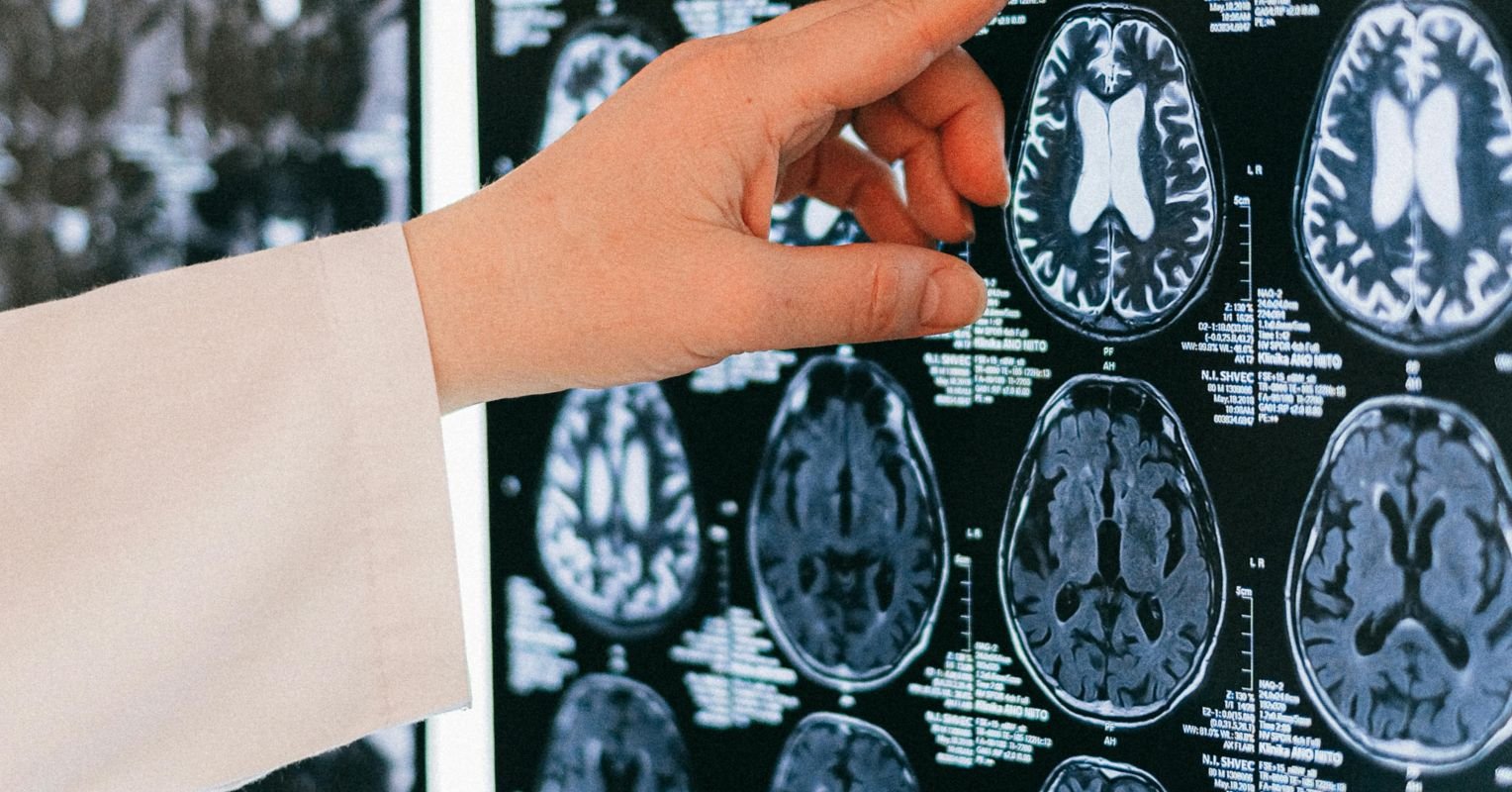
Understanding the Impact of Trauma on the Brain
In a previous post, I discussed how trauma is more than just a mental issue. As someone dedicated to treating trauma using various therapies, including EMDR and emotionally focused therapies, I am deeply interested in understanding how and why these treatments work. The neuroscience of trauma is well-documented and can be enlightening for survivors, their loved ones, and anyone who has experienced trauma and wondered why they struggle to heal.
In this article, I will summarize the four key areas of the brain that are most affected by trauma and how they can impact a person’s ability to heal from emotional pain.
The Overstimulated Amygdala: Your Brain’s Alarm System
The amygdala is often referred to as the brain’s alarm system. In ideal conditions, it helps us respond to real threats and then calms down once the danger has passed. However, in trauma survivors, the amygdala can become stuck in an overactive state, leading to constant vigilance and hypervigilance. This heightened state of alertness can cause individuals to react strongly to minor triggers and struggle to relax even in safe environments. This constant state of alertness is a result of the amygdala being overactive and the prefrontal areas that normally regulate it being underactive.
The Affected Prefrontal Cortex: When Rationality Goes Offline
The prefrontal cortex is responsible for rational thinking, decision-making, and emotional regulation. In trauma survivors, this area of the brain can become disrupted, making it difficult to regulate emotions and manage anxiety. This imbalance between the prefrontal cortex and the amygdala can make it challenging for individuals to think rationally and manage their emotions effectively. Traditional talk therapy may not be enough to address these issues as it does not directly target the brain’s alarm system and the prefrontal areas.
The Underactive Broca’s Area: Why Expressing Emotions Can Be Challenging
The Broca’s area, which is essential for language production and communication, can become underactive in trauma survivors. This can make it difficult for individuals to express their emotions and experiences verbally, as their brain struggles to find the right words to describe their feelings. This difficulty in expressing emotions verbally can be a barrier to healing, as trauma survivors may find it challenging to put their experiences into words.
The Reduced Hippocampus: When Past and Present Collide
The hippocampus is responsible for forming memories and contextualizing experiences. In PTSD, the hippocampus can experience a reduction in volume, making it difficult for individuals to differentiate between past and present experiences. Traumatic memories can feel like they are happening in the present moment, leading to intense emotional reactions to triggers. However, research suggests that the hippocampal volume can increase with successful treatment, offering hope that these changes are not permanent.
Bringing It All Together
Understanding how trauma impacts the brain can be validating for survivors and their loved ones. The biological, physiological, and emotional changes that occur in the brain are real and can have a profound impact on an individual’s ability to heal. Effective treatments for trauma, such as EMDR and somatic experiences, work by engaging with these neurobiological realities rather than simply talking around them. By understanding the brain changes that occur after trauma, individuals can shift their perspective from “What’s wrong with me?” to “This is what happened to my brain,” paving the way for healing.
If you are seeking therapy for trauma, consider visiting the Psychology Today Therapy Directory to find a qualified therapist who can help you navigate your healing journey.