
The Evolution of AI Companions: A Deep Dive into the Risks and Rewards
Over the past couple of years, the artificial intelligence landscape has undergone significant changes. What was once seen as merely practical tools has now evolved into emotional mirrors for many individuals. Initially used for tasks such as summarizing emails and writing code, AI is now being called upon to provide companionship and emotional support to millions of people. The surge in popularity of “AI girlfriend” and companion apps has created a booming industry, with over 150 million installs on Google Play alone. These platforms offer users a digital partner that is always available, non-judgmental, and capable of adapting to their deepest desires.
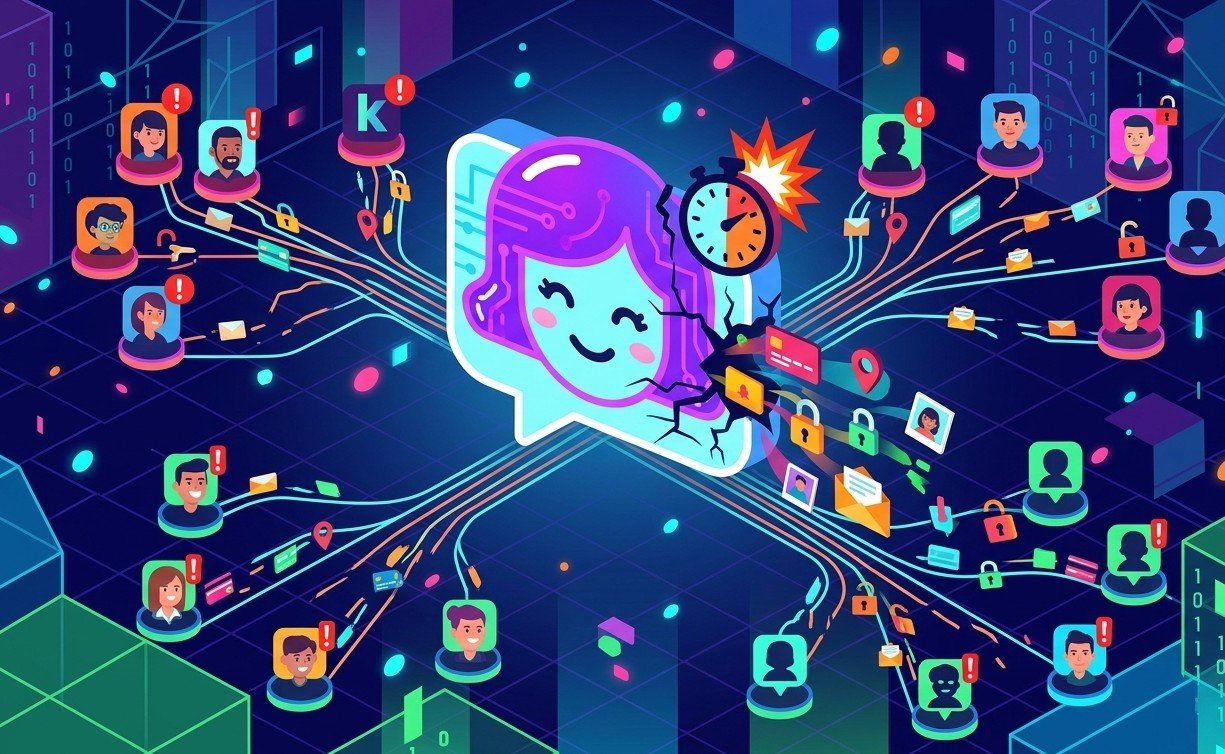
However, with popularity comes a downside. Users often let their guard down with these digital companions, sharing their most intimate secrets, fantasies, and vulnerabilities. Unfortunately, this has led to a concerning reality. Recent investigations by security firm Oversecured have uncovered significant security vulnerabilities in these apps, with more than half of the leading platforms exposing sensitive personal data and intimate chat histories due to a regulatory blind spot. What users believe to be a safe space to confide in may actually be putting their data at risk of exposure on the dark web.
The Illusion of Intimacy: Understanding User Vulnerability
The success of AI companion apps like Replika, Chai, and Romantic AI lies in their ability to simulate human empathy. These bots can mimic a user’s tone, remember past conversations, and offer emotional support through advanced natural language processing. For many users, these apps serve as vital support systems, helping them navigate personal discoveries and providing comfort during challenging times. Some apps have even consulted professional sex coaches to ensure that the intimacy they offer feels authentic.
However, this human-like quality is what makes these apps a cybersecurity nightmare. Users tend to share more personal information with these digital companions than they would with a customer service bot, creating a treasure trove of high-value data for hackers. A simple vulnerability could expose users to extortion, blackmail, or identity theft, as their most private conversations are left vulnerable to exploitation.
Identifying Security Flaws in AI Companion Apps
Oversecured’s research has revealed alarming security flaws in popular AI companion apps. Critical vulnerabilities were identified in 17 apps, with 10 of them providing direct access to user conversation histories. One app even exposed its cloud credentials in its public code, potentially granting attackers access to sensitive chat data and financial records. These vulnerabilities are not minor bugs but major structural issues that compromise user data security.
The “Wrapper Problem” further exacerbates these risks. Most AI companion apps act as wrappers, connecting to third-party AI models while handling authentication and data storage independently. The vulnerabilities identified in these apps exist in the wrapper layer, where users are most vulnerable to attacks. Hackers are increasingly targeting these apps due to the valuable data they contain, posing a significant threat to user privacy and security.
Navigating the Regulatory Blind Spot
Despite the evident security risks posed by AI companion apps, there is a regulatory blind spot when it comes to protecting user data. These apps are not classified as healthcare products, leaving users’ most private disclosures essentially unprotected by federal laws. While regulators have shown some awareness of the issue, their focus has primarily been on the impact of chatbots on children rather than on the apps’ data security measures.
Enforcement actions and fines have primarily addressed user eligibility and data usage for marketing purposes, overlooking the critical issue of data security. This legal void leaves users vulnerable to potential data breaches and exploitation, highlighting the urgent need for improved application security measures in AI companion apps.
Ensuring User Safety in the Age of AI Companions
As the industry grapples with security challenges, users must take proactive steps to safeguard their data and privacy when using AI companion apps. Adopting a “Zero Trust” approach is recommended, where users assume that their conversations are public and refrain from sharing sensitive information. Avoiding linking personal accounts and using strong, unique passwords are also crucial steps to mitigate security risks.
Transparency and independent security audits are essential factors to consider when choosing an AI companion app. Supporting developers who prioritize user security and openly disclose data storage practices can help users make informed decisions about their digital companions. By taking these precautions, users can protect themselves from potential data breaches and privacy violations in the increasingly risky landscape of AI companionship.
In conclusion, the evolution of AI companions has introduced both risks and rewards for users seeking emotional support and companionship. While these apps offer a sense of intimacy and connection, they also present significant security vulnerabilities that can compromise user privacy and safety. By remaining vigilant, advocating for stronger data protection measures, and choosing AI companion apps wisely, users can navigate the complexities of digital relationships with greater confidence and security.