
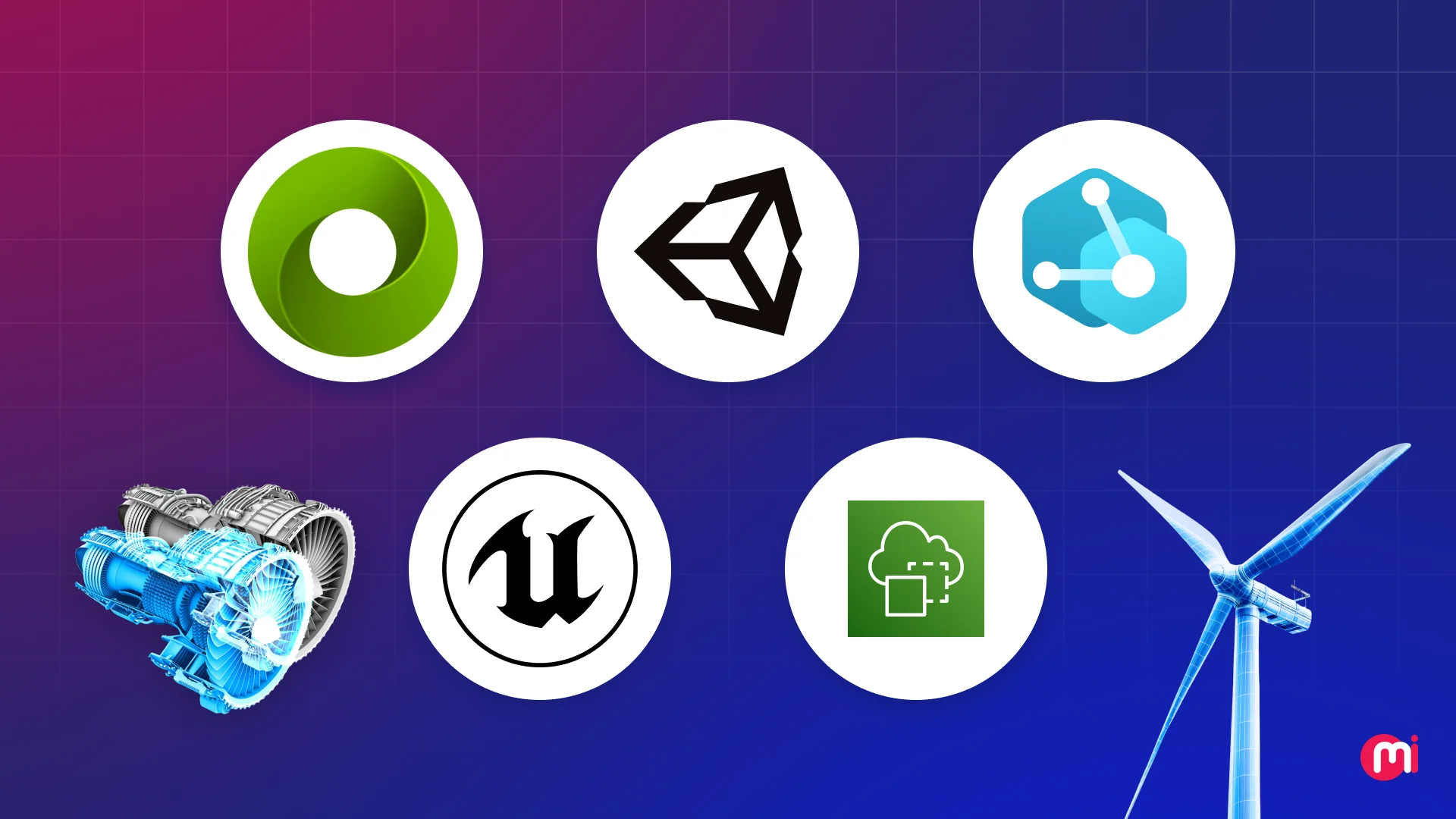
The process of selecting the right digital twin platform is a critical decision for organizations looking to implement digital twin solutions. It is crucial for businesses that aim to leverage virtual replicas of physical assets, processes, or systems powered by real-time data, IoT, AI, and simulations to gain predictive insights, reduce risk, and achieve efficiency gains. Industries such as manufacturing, energy, automotive, and healthcare are actively investing in digital twin services for this purpose.
The digital twin market is expanding rapidly, with a projected growth rate of 30.54% and an estimated market value of $240.3 billion by 2035. This rapid growth has led to intense competition in the digital twin platform market, with platforms multiplying faster than most procurement teams can evaluate them. Making the wrong platform decision can lead to 12 to 18 months of failed integrations, misaligned expectations, and unsuccessful scaling of proof of concepts.
So, how can organizations choose the right digital twin platform? The key is not to simply choose the most recognized vendor or the platform with the most features. Instead, it starts with understanding the use case, mapping operational KPIs to platform requirements, and then evaluating technical fit, business viability, and total cost of ownership in that order.
A step-by-step digital twin platform selection framework has been developed to assist decision-makers in making the right choice. This framework includes defining internal requirements, mapping KPIs to platform requirements, industry-specific priorities, a structured evaluation checklist, and common mistakes to avoid during platform selection.
Leading digital twin platforms and engines in 2026 include NVIDIA Omniverse, Microsoft Azure Digital Twins, AWS IoT TwinMaker, Unity, and Unreal Engine. Each platform has its strengths and is suitable for different use cases. For example, NVIDIA Omniverse excels in high-precision simulations, while Unity is strong for interactive and immersive twins, and Unreal Engine is ideal for photorealistic digital twins.
When choosing the right digital twin platform, it is important to consider factors such as architecture and integration capabilities, scalability, cloud strategy, performance, data management and analytics, AI and simulation capabilities, security, compliance, and data governance. It is also essential to assess vendor ecosystem strength, long-term viability, total cost of ownership, and industry alignment to ensure sustainable value.
By following a structured evaluation approach and using a checklist to assess platform functionality, integration, security, usability, deployment, vendor viability, and industry fit, organizations can make a confident and informed decision when selecting a digital twin platform. Avoiding common mistakes such as choosing based on UI polish, underestimating integration complexity, and ignoring TCO can help organizations select the right platform for their needs.