
The Evolution of Ultra-Processed Food: What Consumers Really Think
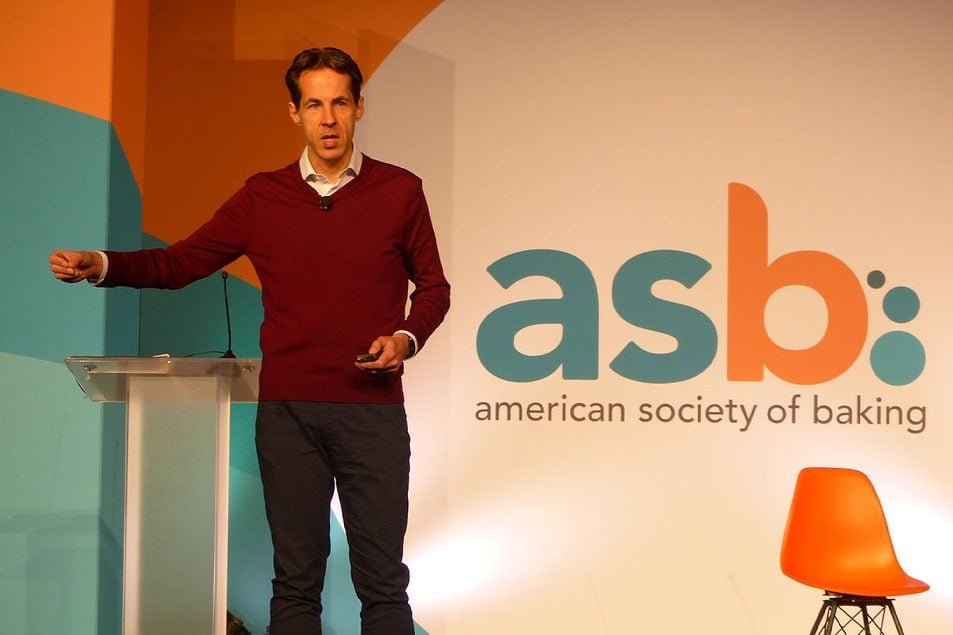
When it comes to the concept of “ultra-processed food,” there seems to be a lot of confusion among consumers. Kevin Ryan, a food and consumer strategist, shed light on this topic at the American Society of Baking (ASB) BakingTech 2026 conference in Chicago. According to Ryan, the Nova classification system, which categorizes food products into different groups based on their level of processing, doesn’t offer much clarity on what exactly qualifies as “ultra-processed.”
Ryan highlighted that consumers have various perspectives on the issue of ultra-processed foods. These differing viewpoints are crucial for grain and baked foods companies to consider. Here are the four main camps of consumer thinking when it comes to processing and ultra-processing:
1. Unbothered Hedonists
These consumers prioritize taste above all else and are not concerned about the level of processing involved in their food. As long as it tastes good, they are satisfied.
2. Vibe Validators
This group of consumers equates “ultra-processed” with unhealthy or junk food. They tend to label certain products as ultra-processed based on their perception of what is unhealthy, rather than on factual information.
3. Kitchen Chemists
These consumers pay close attention to ingredient lists and are wary of products with long, complicated names. They view complex ingredients as a sign of over-processing.
4. Information Seekers
This emerging group of consumers focuses on the structural integrity of food. They are concerned with any processing that alters the natural state of a whole food, rather than simply adding or removing ingredients.
Ryan emphasized that consumers are more interested in the intent behind food processing than the level of processing itself. They are wary of “exploitive processing” that prioritizes manufacturing benefits over consumer health. However, they are open to “justified processing” that enhances safety or palatability.
For the baking industry, there is an opportunity to frame the conversation around ultra-processed foods in a positive light. By highlighting the traditional and artisanal methods of baking, companies can appeal to consumers who value transparency and authenticity.
Strategies for Engaging Consumers:
- Market Time: Highlight the time-intensive processes involved in baking, such as fermentation or slow-baking, to emphasize digestibility.
- Kitchen Logic: Use terms that convey justified processing, like “overnight oats,” to counteract negative perceptions of industrial processing.
- Operationalize Imperfection: Embrace controlled variance in products to showcase artisanal quality and authenticity.
- Chain of Custody: Provide detailed information about the origin and production of ingredients to enhance product identity.
- “Retained” Narrative: Focus on the retention of nutrients and ingredients in products, rather than enrichment or fortification, to emphasize the preservation of natural elements.
By adopting these strategies and aligning with consumer values, the baking industry can redefine the narrative around ultra-processed foods and establish trust with discerning consumers.