
Addressing Concerns About AI’s Environmental Impact
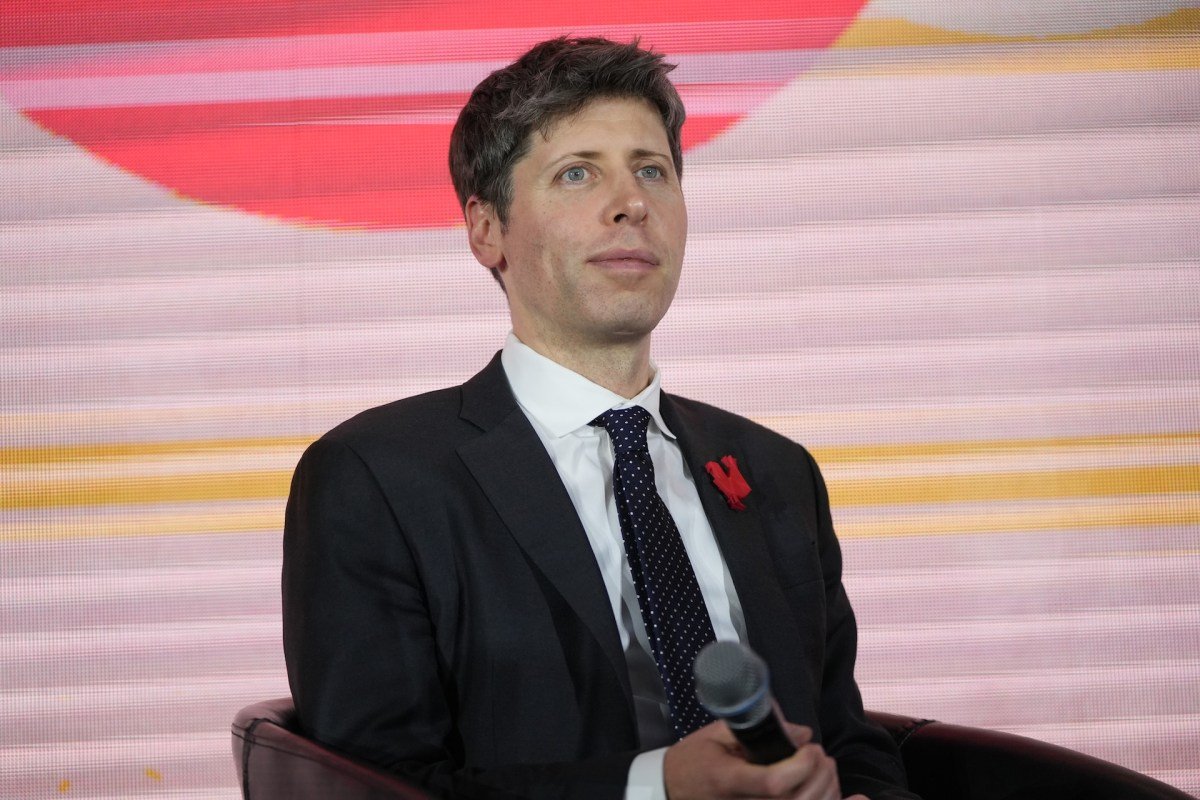
During a recent event hosted by The Indian Express, OpenAI CEO Sam Altman discussed the environmental impact of AI and addressed some common concerns.
Altman, who was attending a major AI summit in India, dismissed claims about AI’s water usage, calling them “totally fake.” He did, however, acknowledge that water consumption was an issue when data centers used evaporative cooling methods. He emphasized that the claims circulating online about the water usage of AI technologies like ChatGPT were completely false and had no basis in reality.
While Altman believed that it was fair to be concerned about the total energy consumption of AI, especially considering the widespread use of the technology, he advocated for a shift towards using nuclear, wind, and solar energy sources to address this issue.
Unlike other industries, tech companies are not legally required to disclose their energy and water usage, prompting independent studies to investigate these aspects. Additionally, the increasing demand for data centers has been linked to rising electricity prices.
Responding to a question about the energy consumption of a single ChatGPT query, Altman refuted claims that it was equivalent to 1.5 iPhone battery charges, stating that it was nowhere near that amount. He also criticized discussions that unfairly compared the energy consumption of training an AI model to that of a human’s cognitive development.
Techcrunch event
Boston, MA
|
June 9, 2026
Altman argued that it also takes a significant amount of energy to “train” a human, considering the years of development and evolution that have contributed to human intelligence. He suggested that when comparing the energy efficiency of AI and human cognition, AI may already be on par or even more efficient.
If you’re interested in learning more about Altman’s insights on AI’s environmental impact, you can watch the full interview below. The discussion on water and energy usage begins around the 26:35 mark.