
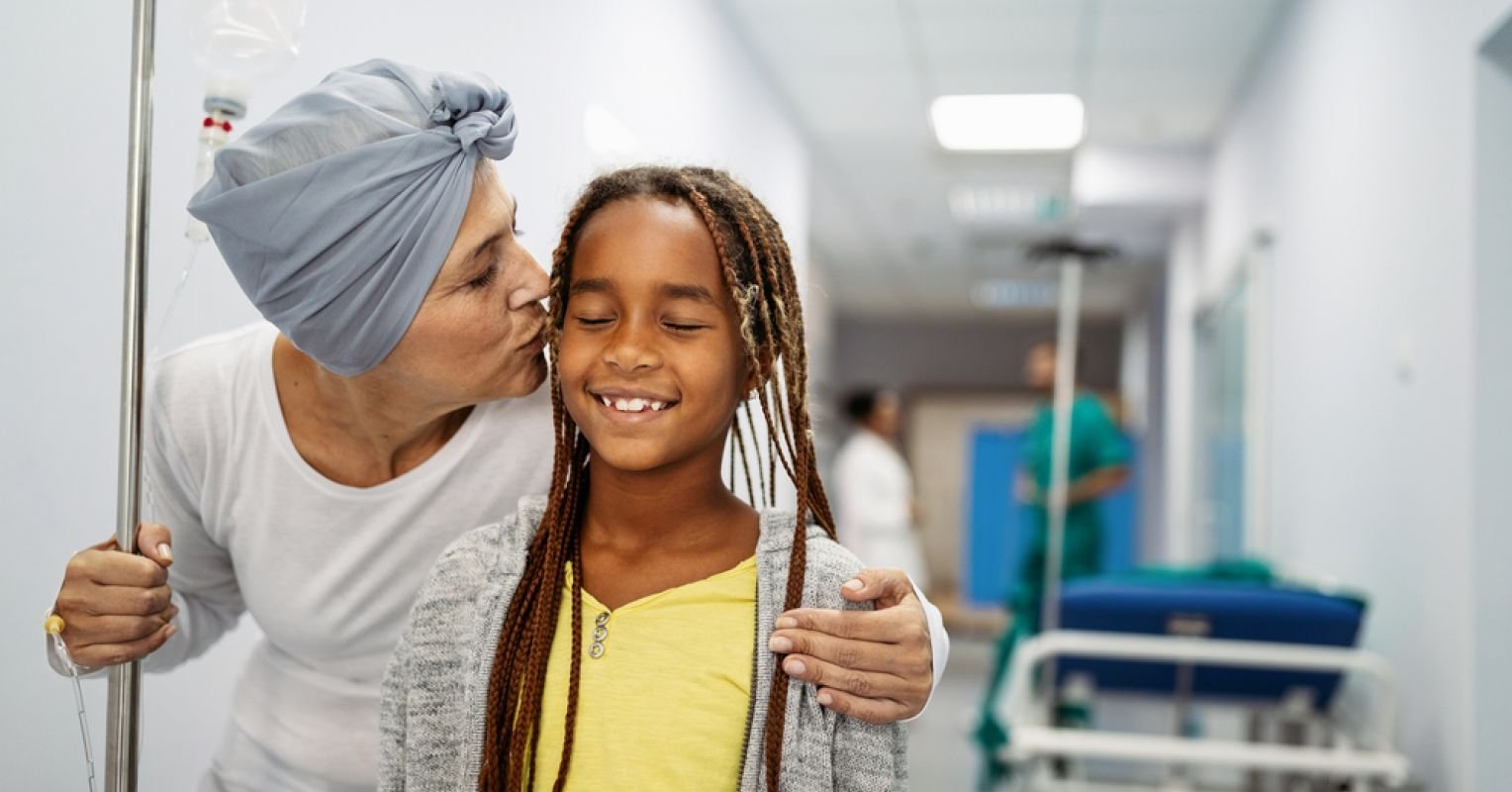
Survivorship After Cancer Treatment: A Family Systems Perspective
As cancer treatment comes to an end, many individuals and families expect a sense of relief. With fewer appointments, subsiding side effects, and a decrease in crisis-related language, the completion of active cancer treatment marks a significant milestone. However, for survivors and their loved ones, this phase can be marked by ambiguity rather than finality. Even though treatment has ended, the psychological, relational, and identity impacts of cancer can linger long after (Kolsteren et al., 2022). Survivorship is not a return to life before cancer; rather, it signifies a shift to a new relational landscape where families face the challenges of reorganization, renegotiation, and meaning-making.
Marriage and family therapists (MFTs) play a crucial role in supporting individuals and families during the survivorship phase. Drawing on systems and medical family therapy perspectives, survivorship is viewed not as an individual adjustment but as a relational process shaped by illness narratives, changing roles, fear of recurrence, and ongoing medical system interactions. With the healthcare system increasingly recognizing survivorship as a vital stage of the cancer journey, MFTs are well-positioned to make significant contributions in this field.
Survivorship as a Systemic Transition
During cancer treatment, families often reorganize themselves around the sole focus of survival (Christensen & Carlsen, 2021). Roles may become more defined by caregiving responsibilities, communication may revolve around logistical matters and symptoms, and emotions may take a backseat to the urgency of getting through treatment. When treatment ends, families are expected to revert to their previous patterns without acknowledgment of the changes that have occurred (Emery et al., 2022). Survivorship, therefore, represents a systemic transition rather than a destination.
Fear of Recurrence as a Relational Process
Fear of cancer recurrence (FCR) is a prevalent concern among cancer survivors, persisting long after treatment has ended (Simard et al., 2019). While FCR is often viewed as an individual anxiety issue, there is growing evidence to suggest its relational nature. Partners and caregivers may share or even intensify this fear, leading to changes in communication patterns within couples and families (Lebel et al., 2018).
Role Renegotiation After Treatment
Caregiving roles often become fixed during treatment out of necessity, with partners, parents, or adult children taking on significant responsibilities in managing the survivor’s care (Cetin, 2022). These roles do not automatically reverse once treatment concludes, leading to challenges for survivors trying to regain control and caregivers adjusting to a new normal.
Intimacy, Identity, and Connection in Survivorship
Sexuality and intimacy can pose common challenges for individuals post-cancer treatment, influenced by physical changes, pain, fatigue, and body image issues (Walker et al., 2019). Psychological distress and post-traumatic stress symptoms can further impact the connection with oneself and others. Addressing sexual health and relational functioning is crucial for enhancing quality of life in survivorship care.
Meaning-making and the Reconstruction of Family Narratives
Survivorship raises existential questions about identity and purpose, with survivors struggling to integrate the cancer experience into their sense of self, while family members may differ in how they want to remember or move past the illness (Rashidi et al., 2020). MFTs are skilled in facilitating shared meaning-making processes, allowing families to navigate multiple perspectives and construct narratives that honor the past while embracing the future.
The Role of Medical Family Therapy in Survivorship Care
MFTs, with their focus on biopsychosocial perspectives and collaboration with healthcare systems, play a vital role in connecting relational work with ongoing medical care (McDaniel et al., 2014). By providing relational assessments, supporting communication between patients and providers, and advocating for family-centered survivorship models, MFTs can contribute to holistic care for survivors.
In conclusion, survivorship after cancer treatment is a journey of reuniting and rebuilding in the aftermath of profound changes. MFTs, with their systemic approach, are uniquely positioned to support individuals and families through this relational process, fostering resilience, flexibility, and meaning-making in the face of uncertainty.
About the Author:
Zahra Muse, M.S., is a clinician and researcher specializing in culturally grounded behavioral health, trauma, and family systems within underserved communities. With a focus on health psychology, trauma recovery, and culturally responsive interventions, Muse’s work emphasizes the intersection of psychology and culture in promoting healing and well-being.
For those seeking support, the Psychology Today Therapy Directory is a valuable resource to find a therapist who aligns with your needs and preferences.