

Attunement is the often-overlooked foundation of healthy, lasting relationships. More than just listening or being kind, it’s the ability to deeply understand your partner’s emotional world and respond in ways that create safety, appreciation, closeness, support, fun, and shared direction. When attunement fades, couples don’t just argue more; they feel unseen, disconnected, and unsure how they got there. This article explores the science and psychology behind attunement, how it shapes long-term relationship satisfaction, and why assessing the true state of your emotional connection is the first step toward rebuilding it, starting with a clear, honest look at where your relationship stands right now.
What if the real reason so many relationships struggle isn’t a lack of love, but a lack of attunement?
What do I mean?
Well, most couples don’t start out feeling disconnected.
They usually begin with curiosity, chemistry, and that unmistakable feeling of being seen and heard.
Conversations flow.
Laughter comes easily.
There’s a sense of “you get me.”
And then, sometimes, somewhere along the way, something shifts…
Misunderstandings multiply.
Small conflicts linger.
One partner feels unheard.
The other feels criticised.
Conversations turn into debates, and eventually into fights.
Silence becomes safer than honesty.
And things begin to unravel, fast.
Now, if that sounds like you or if you’ve ever found yourself wondering, How did we get here?, you’re not alone.
At the heart of many struggling relationships is a breakdown in attunement…
And when a couple loses that attunement with each other, everything else that used to be easy becomes infinitely harder.
So, to help you, in this article, we’ll explore what attunement really means, why it plays a key role in relationship success, what research says about it, and how you can assess whether it’s present or missing in your relationship right now.
Also, more importantly, what to do about it.

What Is Attunement?
Attunement is more than listening.
It’s more than empathy.
It’s more than being nice.
Attunement is essentially the ongoing process of:
- Sensing what your partner is feeling
- Understanding the meaning behind their words
- Responding in a way that communicates, “I’m with you.”
Fundamentally, it’s emotional alignment.
So, when someone is attuned to you, you feel understood without having to over-explain or explain at all – you’re on the same wavelength, so to speak.
You feel emotionally safe.
You feel like your inner world matters.
Psychologists often describe attunement as “accurate empathy.”
It’s not just feeling sorry for someone, but it’s tuning in to their emotional state and responding appropriately.
So, with that said, here’s the first deeper question for you right now:
Because that single distinction can define or determine the health of a relationship, including yours.
If someone doesn’t feel ‘safe’ with us, their nervous system tends to react defensively and look for ways to self-preserve, even when the sentiment is one of love for each other.
therelationshipguy.com
This is not about what we say we feel, but how we make each other feel.
But let’s dive into this a bit deeper…
Why Attunement Is the Foundation of Emotional Safety
Research consistently shows that emotional safety is one of the strongest predictors of relationship satisfaction and longevity.
The reason for that is that emotional safety answers this question:
Is it safe for me to be fully myself with you?
Attunement creates that safety.
So when partners feel attuned to, they are more likely to:
- Express vulnerability
- Share difficult emotions
- Take responsibility
- Repair conflict faster
But without attunement, emotional safety erodes.
And,
Instead of saying, “I feel overwhelmed,” a partner might say nothing at all.
Instead of admitting hurt, they may respond with anger.
Instead of seeking closeness, they may withdraw.
So, have you noticed yourself, or your partner, holding back lately?
If so, that’s often a sign that attunement has weakened and will need to be addressed.
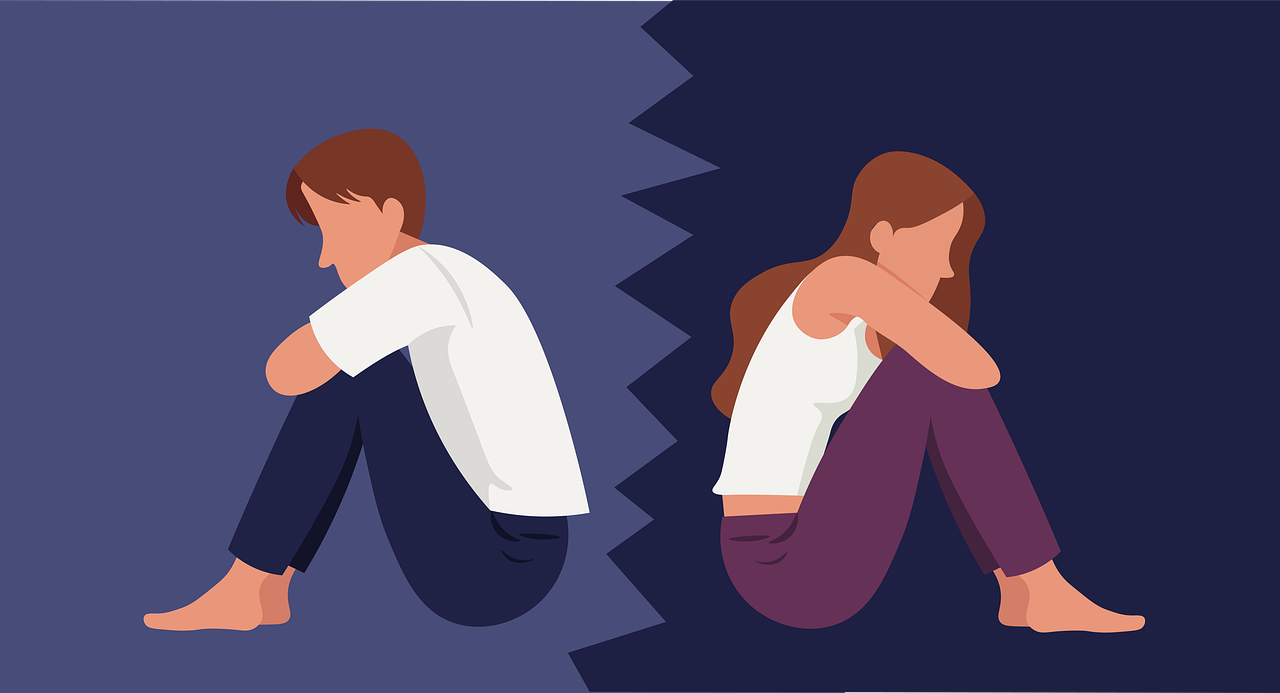
The Neuroscience Behind Attunement
What’s important to understand here is that attunement isn’t just a relational concept; it’s actually neurological.
What that means is that our brains are wired for connection.
Through mirror neurons and emotional regulation systems, we are biologically designed to co-regulate with those close to us.
So, when someone responds warmly and accurately to our emotions:
- Our nervous system calms
- Stress hormones decrease
- Trust increases
But when they dismiss or misread us:
- Our threat system activates
- Defensiveness rises
- Emotional distance grows
That is why simple responses like “That makes sense” or “I hear you” can feel profoundly connecting, while “You’re overreacting” can create a deep rupture in trust.
So, with that in mind, an important question is:
That difference will have a significant impact on the emotions you experience in your relationship each day and on your reactions.
So, even if you say that you ‘love’ each other, those neurological reactions will ultimately dictate the environment of your relationship and its outcomes.
Attunement and Appreciation
Another key element of attunement is appreciation.
When you truly tune into someone, you notice them.
You recognise effort.
You acknowledge growth.
You validate their internal experience.
As a result, appreciation strengthens connection because it reinforces a simple but important message:
However, without appreciation, even small disappointments eventually begin to feel heavy.
Partners start asking internally:
- Do they even notice what I do?
- Do they value me?
- Am I taken for granted?
And over time, a lack of attuned appreciation leads to emotional disengagement.
So, when was the last time you felt genuinely appreciated in your relationship?
And just as importantly, when was the last time you expressed it?
Attunement and Closeness
Now, as I mentioned earlier, closeness doesn’t disappear overnight.
It tends to fade gradually when attunement declines.
Again, think about early-stage relationships.
There’s curiosity.
Questions.
Long conversations.
Eye contact.
Shared laughter.
That’s attunement in action.
But as routines settle in, it’s easy to shift into logistics mode:
Who’s picking up the kids?
Did you pay that bill?
What time is the appointment?
Necessary? Yes.
Connecting? Not always.
Closeness, however, requires intentional attunement, which means checking in emotionally, not just practically.
Ask yourself:
- Do we talk about how we’re really doing?
- Do we still explore each other’s inner world?
- Do we prioritise moments of connection?
Because, without these, emotional distance quietly expands.
And when that happens, conflict usually increases.
Attunement During Conflict
First of all, conflict is inevitable. It comes with the territory.
But disconnection is optional.
And in moments of tension and conflict, attunement becomes even more critical.
Because when conflict arises, partners often shift into protection mode.
They tend to:
- Defend
- Blame
- Shut down
- Escalate
However, attunement interrupts that cycle.
Instead of “You always…” it becomes “Help me understand what you’re feeling.”
Instead of “This is ridiculous”, it becomes “I can see why this matters to you.”
Conflict handled with attunement strengthens trust, whereas conflict without it weakens it.
So, when you disagree, does the goal become winning or understanding?
Your goal will lead to vastly different outcomes.
Attunement and Support
Something many couples misunderstand is supporting one another.
Support isn’t just doing tasks or hitting checkboxes.
It’s about responding to what your partner actually needs in the moment.
Sometimes they need advice.
Sometimes they need comfort.
Sometimes they just need presence.
Attunement allows you to distinguish between the three and give them what they need when they need it.
For example, a common relational breakdown occurs when one partner offers solutions while the other wants empathy.
Have you ever felt frustrated thinking, “That’s not what I needed from you right now”?
That’s the gap we’re talking about here, which often signals a breakdown in attunement, not intention.
Fix that, and more things will start to fall in place.
Now, at this stage, if attunement is so important for the well-being of a relationship, we must ask why so many couples fail to realise that attunement is fading or declining when things start going badly.
The short answer is that it’s about the compounding effect over time.
Why Most Couples Don’t Realise Attunement Is Fading
Here’s the tricky part:
Attunement doesn’t disappear dramatically. It erodes subtly.
It often looks like:
- Fewer deep conversations
- More misunderstandings
- Lingering tension
- Emotional withdrawal
- Reduced physical affection
But because these shifts are gradual, couples often normalise them.
They typically tell themselves:
- “This is just what long-term relationships are like.”
- “We’re just busy.”
- “It’s not that bad.”
- “Everyone’s tired…”
But over time, these small disconnections compound.
The good news?
But first, you have to recognise that it is happening and then what is happening.
So,
How to Know Where Your Relationship Stands Right Now
It’s hard to improve what you haven’t measured.
As the saying goes, “You cannot manage what you don’t measure.”
You might sense something feels off, but not quite be able to name it.
Is it emotional safety?
Is it appreciation?
Is it closeness?
Is it support?
Is it fun?
Is it a lack of shared direction?
These core areas quietly shape how connected and satisfied partners feel over time, but it works in both directions.
They also determine how disconnected and unsatisfied we become in a relationship.
So the most powerful step you can take isn’t guessing where you’re at, it’s assessing.
That’s why I created a free Relationship Health Check-In Assessment.
It helps you understand what’s happening in your relationship right now by evaluating the key pillars that typically determine long-term connection in love relationships:
- Emotional Safety
- Appreciation
- Closeness
- Support
- Fun
- Shared Direction
So, instead of wondering, you gain clarity.
Instead of assuming, you identify.
Instead of blaming, you understand.
And understanding is the first step toward attunement.
A Reflective Pause
Before you move on, consider these questions:
- Do I feel safe expressing my emotions in this relationship?
- Do I feel appreciated consistently?
- Do we intentionally nurture closeness?
- Do we handle conflict with curiosity or criticism?
- Do we still share joy and future direction?
If any of these gave you pause right now, that’s important.
That awareness isn’t failure. It’s an invitation.
And I invite you to take that health check-in quiz.
Listen,
Rebuilding Attunement Begins With One Small Action
Attunement doesn’t require grand gestures or big actions.
It begins with small, consistent shifts like:
Tonight, instead of asking, “How was your day?” ask, “What felt meaningful today?”
Instead of offering advice immediately, ask, “Do you want comfort or solutions?”
Instead of assuming you know what they’re thinking, ask, “Did I understand you correctly?”
Tiny shifts. Powerful impact.
But, regardless, ALL sustainable change starts with clarity.
Conclusion: The Relationship You Want Is Built on Attunement
Attunement does.
It’s the thread that weaves together emotional safety, appreciation, closeness, support, fun, and shared direction.
Without it, relationships feel strained, even if commitment remains.
With it, even difficult seasons feel navigable.
So here’s the real question:
Not what you hope.
Not what you fear.
But what’s real?
If you’re ready for honest clarity and a grounded starting point, I invite you to take the Relationship Health Check-In Assessment.
It will help you identify where attunement is strong, where it’s fading, and what needs attention.
Your actionable step today:
Set aside 10 quiet minutes today.
Take the assessment.
Reflect without judgment.
Then choose one area to intentionally strengthen this week.
Connection doesn’t collapse overnight. And it doesn’t rebuild overnight either.
But attunement, genuine, intentional attunement, can transform everything.
The question is:
Are you willing to tune in?