
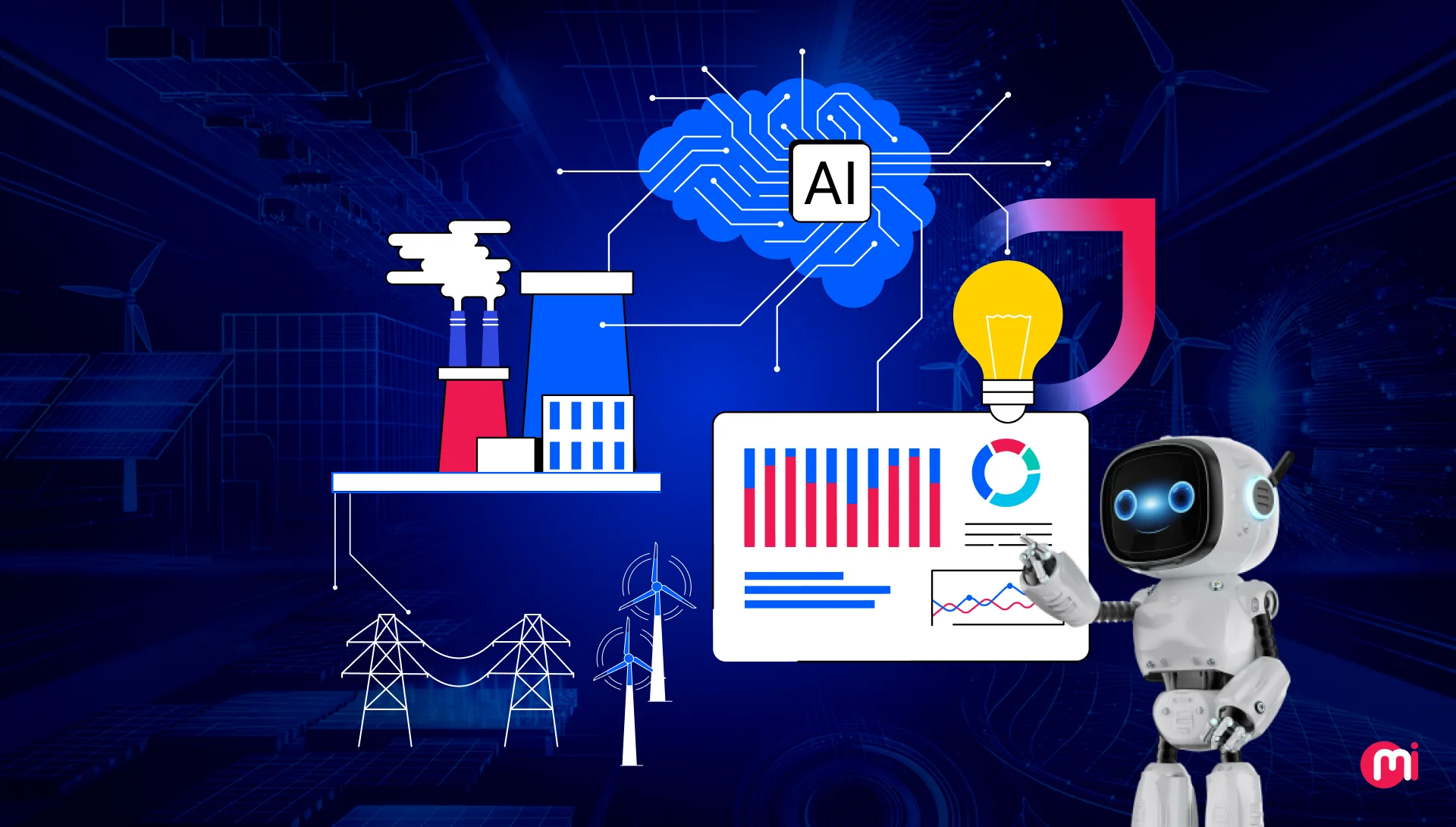
The energy market is set to experience a significant growth in the coming years, with AI playing a crucial role in reshaping energy management. The use of AI technologies like machine learning and deep learning in monitoring, predicting, optimizing, and automating energy systems is becoming increasingly popular across various sectors, including residential, commercial, and industrial. Unlike traditional systems that follow predefined rules, AI-powered energy management systems learn from data, enabling them to adapt to changing conditions and make more accurate predictions over time.
AI in energy management has a wide range of applications, from managing grid load and optimizing maintenance to controlling HVAC systems and balancing energy consumption. These intelligent systems work alongside technologies like smart meters, sensors, and IoT devices to create dynamic and responsive energy ecosystems. The benefits of implementing AI in energy management are numerous, including improved energy efficiency, cost reduction, reduced carbon emissions, enhanced grid reliability, and real-time decision-making.
Despite the many advantages of AI in energy management, there are also challenges that need to be addressed. These challenges include data quality and availability, high implementation costs, cybersecurity risks, skill gaps, and regulatory compliance issues. To overcome these challenges, organizations need to invest in data quality, strategic planning, the right AI tools, collaboration between teams, and continuous monitoring and optimization.
Looking ahead, the future trends of AI in energy management include autonomous energy systems, decentralized energy grids, integration with digital twins, and more. These advancements will revolutionize the energy industry and help organizations achieve their sustainability goals. By following best practices for implementing AI in energy management and staying informed about future trends, organizations can stay ahead of the curve and reap the benefits of AI technology in the energy sector.