
A revolution in the weight loss industry is underway with the emergence of a new set of medications. GLP-1 drugs such as Ozempic and Zepbound are gaining popularity for their effectiveness in treating obesity and type 2 diabetes. These medications work by replicating a hormone naturally produced by the body to regulate blood sugar, appetite, and digestion. While the rise of GLP-1 drugs has brought about significant benefits, it has also raised concerns about cost and potential side effects. To delve deeper into the world of GLP-1 medications, continue reading.
The beauty of GLP-1 medications lies in their ability to mimic a process that occurs naturally within the body. When you eat, your small intestine releases glucagon-like peptides (GLP-1) as part of the normal digestive process. This hormone plays a crucial role in managing various functions in the body.
Firstly, GLP-1 regulates the release of insulin, which helps prevent blood sugar spikes and the onset of hunger pangs between meals. By stabilizing blood sugar levels, GLP-1 aids in preventing insulin resistance and the development of type 2 diabetes. Additionally, this hormone controls the pace at which food moves through the digestive system, leading to prolonged feelings of fullness. Lastly, GLP-1 inhibits the production of glucagon, a hormone responsible for signaling the liver to produce glucose. By blocking glucagon, GLP-1 helps maintain stable blood sugar levels, thereby managing energy levels and curbing appetite.
While GLP-1 medications offer significant benefits, similar effects can be achieved through consuming certain foods that trigger the natural production of GLP-1 in the body. Research indicates that macronutrients such as protein, fiber (especially soluble fiber), and healthy fats can replicate the effects of weight-loss medications.
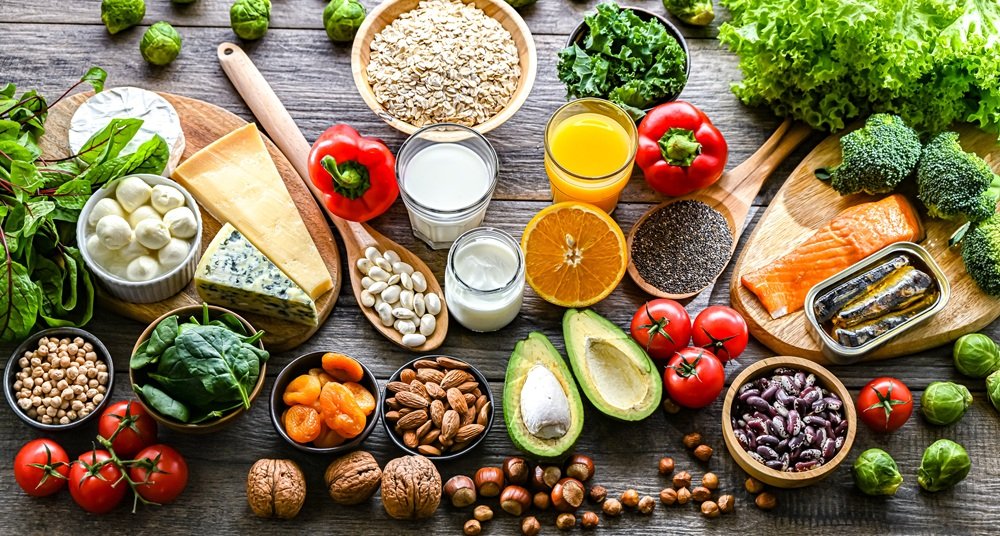
Foods rich in protein are known to stimulate the release of GLP-1, promoting prolonged satiety and reducing the likelihood of overeating. When combined with fiber or healthy fats, protein-rich foods become even more effective in mimicking the actions of GLP-1 drugs. Quinoa, beans, lentils, peas, nuts, seeds, fish, and Greek yogurt are excellent sources of protein that can help trigger the release of natural GLP-1 and keep hunger at bay.
Soluble fiber plays a crucial role in slowing down digestion, prolonging the feeling of fullness, and stabilizing blood sugar levels. Foods high in soluble fiber, such as whole grains, beans, lentils, peas, and certain vegetables, can stimulate the production of GLP-1 and offer similar benefits to GLP-1 medications. Incorporating these fiber-rich foods into your diet can aid in weight management and overall health.
Healthy fats, particularly monounsaturated fats and omega-3 fatty acids, can also replicate the effects of GLP-1 medications by delaying stomach emptying and promoting satiety. Fatty fish, olive oil, avocados, and nuts and seeds are excellent sources of healthy fats that can help keep you satisfied between meals and support natural GLP-1 production.
In conclusion, while GLP-1 medications have revolutionized the weight loss industry, the natural production of GLP-1 through dietary choices offers a safe and effective alternative. By incorporating protein-rich foods, soluble fiber, and healthy fats into your diet, you can reap the benefits of GLP-1 without the need for medication. Embracing a diet rich in these nutrients can support weight loss, blood sugar management, and overall well-being.