
Believing that violence against loved ones is normal was a common misconception.—Personal story shared on the SAARA Story Archive
Sibling Dynamics Affected by Exposure to Domestic Violence
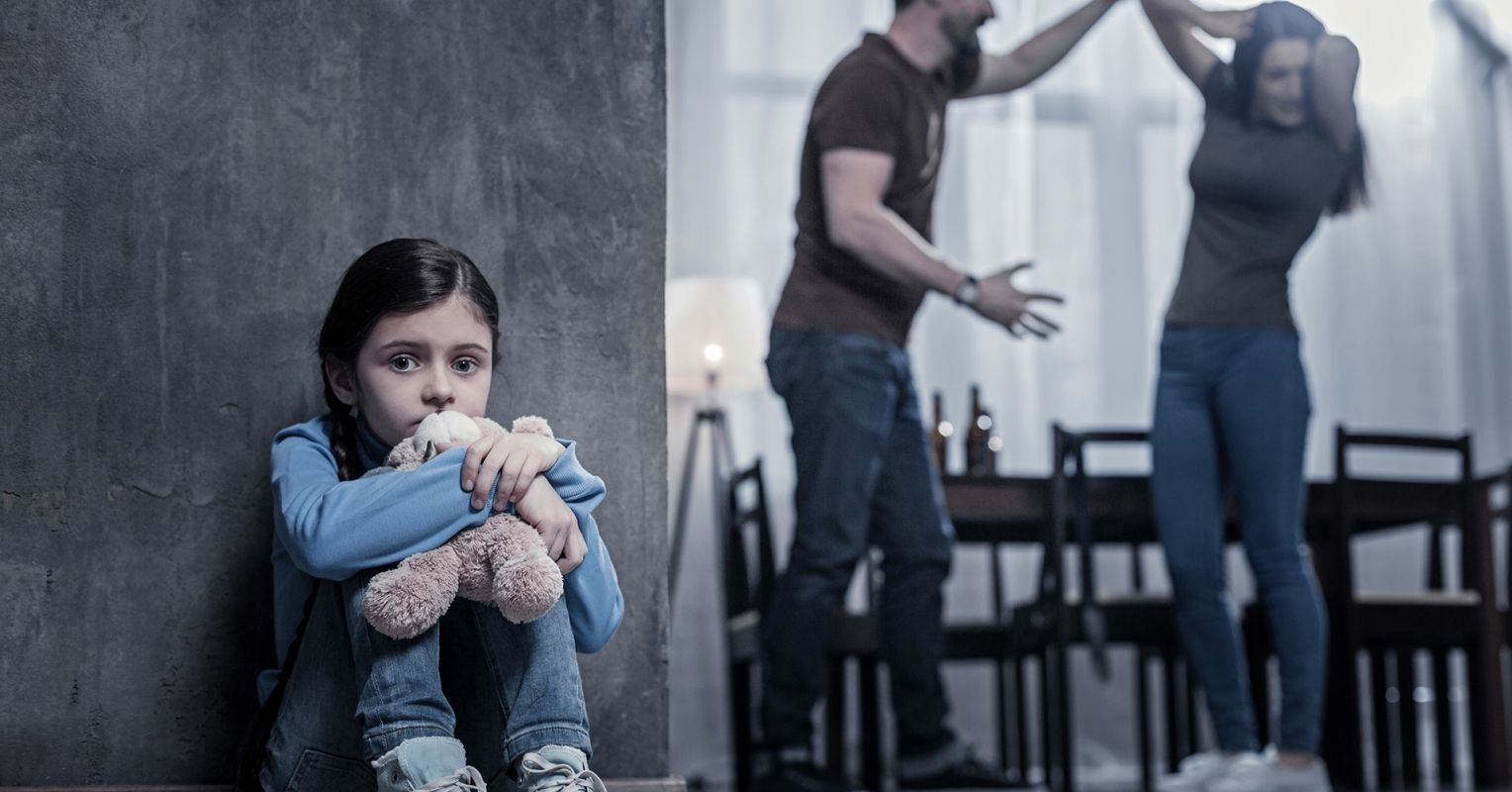
Domestic violence poses a significant public health issue, impacting millions of children in the United States annually. Children who witness domestic violence are at a heightened risk of suffering from child abuse, mental and physical health issues, and academic challenges. They are also more likely to experience aggression or abuse from their siblings.
The interactions within families, particularly those in homes with domestic violence, greatly influence a child’s development during their formative years. Negative behaviors displayed by adults in such households serve as models of ineffective relationship skills and aggressive behavior that children may mimic in their own relationships.
The sibling relationship serves as an early environment where children learn to manage conflicts and relationships. Children’s behavior towards their siblings is often influenced by the dynamics they observe between their caregivers. Witnessing aggression and violence between parents can lead children to replicate these behaviors with their siblings, resulting in escalating conflicts that may involve verbal abuse, physical aggression, and even the use of weapons.
Effects of Sibling Aggression and Abuse in Homes with Domestic Violence
Research indicates a strong connection between exposure to domestic violence and negative impacts on children’s well-being and sibling relationships. Despite this, the significance and nature of sibling dynamics in violent households are frequently overlooked.
Sibling victimization can have detrimental effects on mental, physical, and relational health. Studies have linked sibling aggression and abuse to increased risks of depression, anxiety, bullying, self-harm, intimate partner violence, and other adverse outcomes throughout one’s life.
Children and adolescents who experience both domestic violence and sibling victimization are especially vulnerable, lacking adequate family support and facing a heightened risk of unhealthy development. However, sibling relationships have the potential to serve as crucial sources of support for children exposed to domestic violence.
Integrating Sibling Aggression and Abuse into Domestic Violence Education and Screening
The correlation between domestic violence and sibling aggression underscores the importance of incorporating sibling dynamics in efforts to mitigate the impact of domestic violence on children and adolescents.
- Educating professionals and caregivers on how domestic violence can influence sibling relationships within the household.
- Adopting a holistic approach that includes siblings in prevention and intervention initiatives.
- Assessing whether sibling victimization has occurred.
- Promoting non-violent resolutions to conflicts among all family members, including siblings.
- Fostering the development of healthy relationships and conflict resolution skills that involve listening, compromising, negotiating, and resolving conflicts in mutually satisfactory ways for all family members.
Including siblings in domestic violence education and intervention efforts is crucial, as sibling dynamics are among the longest-lasting relationships within a family and significantly impact well-being throughout one’s life.