
Living with severe bipolar disorder for my entire life has taught me to navigate the challenges of mental illness with resilience. Just as I would protect a vulnerable child or animal, I prioritize my mental health with unwavering attention and care. I am vigilant, never turning a blind eye to the potential threats of depression or mania that could disrupt my hard-earned recovery.
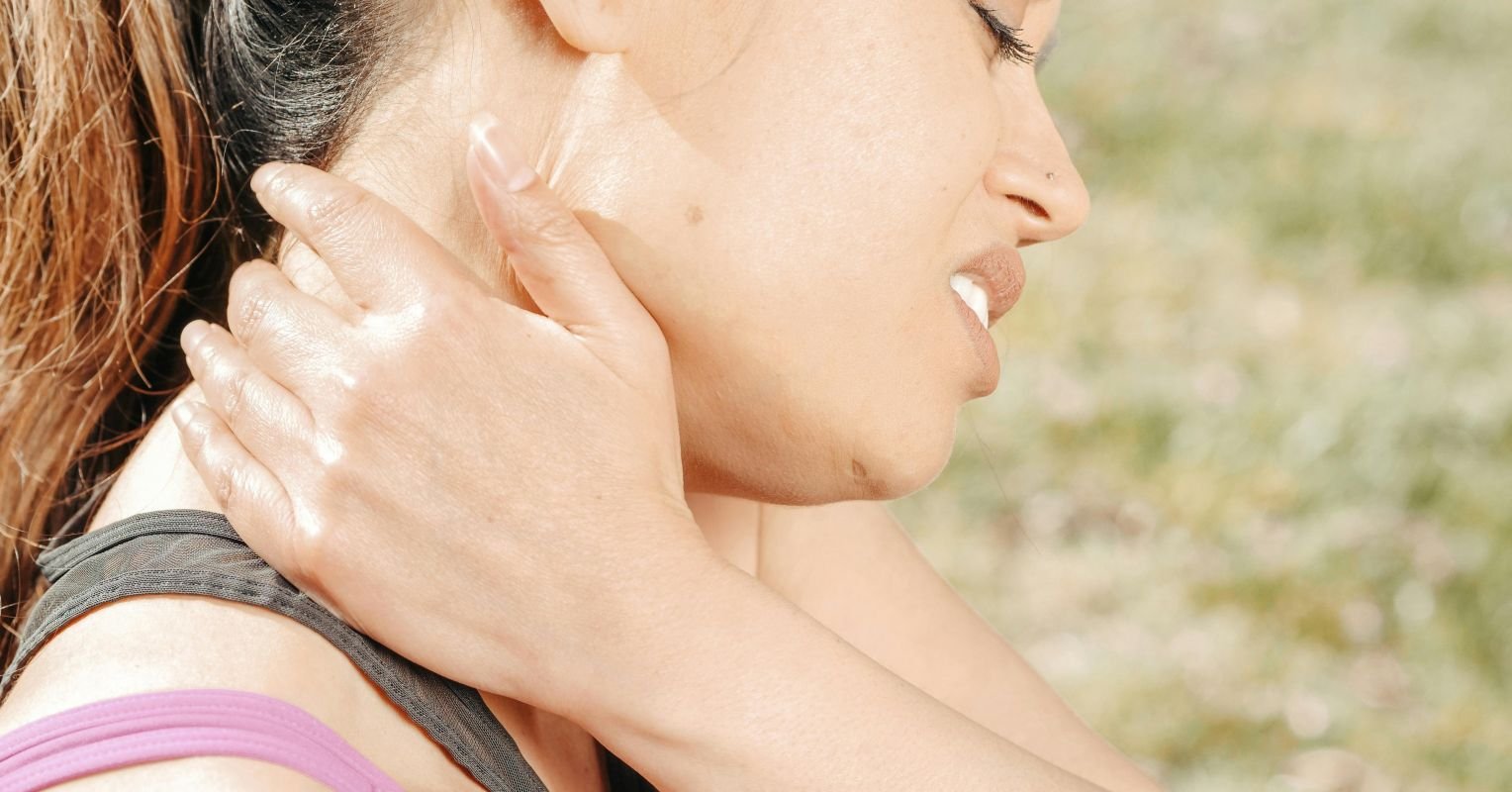
However, a new adversary has emerged on the horizon, one that I did not anticipate: chronic physical pain. This unwelcome guest made its presence known following a car accident last August, where an Uber driver ran a red light and collided with my vehicle. Initially dismissing the discomfort in my neck and right shoulder as temporary strain or stress-related, I soon realized that the pain was persistent and unyielding. Multiple doctor visits, physical therapy sessions, injections, and treatments later, I find myself on a six-month journey of managing this physical torment, with no end in sight.
The constant battle with pain has begun to take a toll on my emotional well-being, threatening the stability I worked so hard to achieve in my bipolar recovery. I refuse to allow this newfound challenge to disrupt the equilibrium I have fought so hard to maintain.
Seeking solace in mental health resources, I turned to mindfulness meditation as a tool to cope with both my mental illness and physical pain. Exploring the teachings of Jon Kabat-Zinn, a renowned expert in mindfulness-based stress reduction, I have learned the importance of changing my relationship with pain. Rather than resisting it, I must acknowledge its presence and learn to coexist with it.
However, acceptance proves to be a daunting task, as underlying my physical discomfort lies a deep well of anger towards the circumstances that led to this predicament. Research suggests that anger and irritability are common emotional responses to chronic pain, exacerbating muscle tension and severity of discomfort.
Recognizing the detrimental effects of anger on my mental and physical health, I am compelled to find ways to cultivate self-compassion and take ownership of my feelings. Embracing self-responsibility is key to fostering empathy for my body and the challenges it faces. As I embark on this journey of living with chronic pain, I understand that it is a continuous process of growth and acceptance.
Embracing the wisdom of Buddhist philosophy, I strive to acknowledge pain as an inevitable part of life without succumbing to unnecessary suffering. Through self-compassion and acceptance, I aim to navigate the complexities of chronic pain with grace and resilience, honoring the interconnectedness of my physical and emotional well-being.