
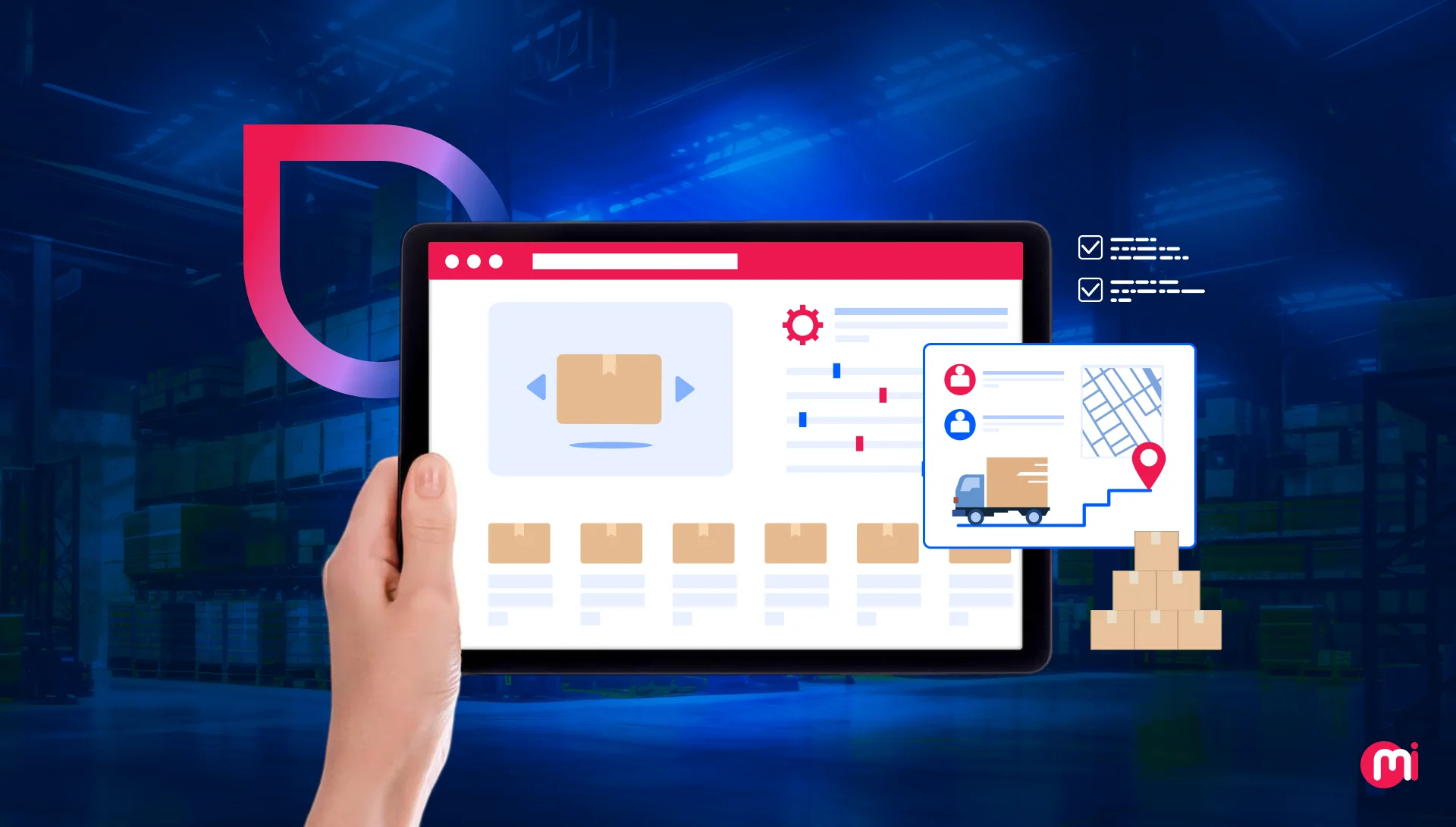
Inventory management is a critical aspect of running a manufacturing business, especially in the e-commerce sector where order volumes are increasing, and expansion into new marketplaces is common. The challenges of efficiently managing inventory can be overwhelming, leading many businesses to turn to inventory management software development for a solution.
According to research by Fortune Business Insights, the global inventory management software market is projected to reach $4.79 billion by 2032, with a compound annual growth rate (CAGR) of 9.6%. This data highlights the importance of implementing an effective inventory management system. Such a system not only automates inventory management but also streamlines tasks related to tracking inventory, managing reorders, and updating accounting data.
An efficient inventory management system plays a crucial role in maintaining a smooth supply chain. If the system is inaccurate or inefficient, businesses may miss out on sales opportunities or incur unnecessary costs due to excess stock.
In this comprehensive guide, we will delve into the core benefits, types, key features, trending technologies, and development costs of inventory management software. As a leading inventory management software development company, MindInventory can help businesses stay ahead of the curve in this rapidly evolving field.
Key Takeaways:
– Inventory management software helps businesses track, control, and optimize stock levels in real-time.
– Benefits include minimized human error, enhanced stock accuracy, streamlined workflows, and improved productivity.
– Different types of inventory management systems include periodic, perpetual, just-in-time (JIT), and batch tracking systems.
– Key features of inventory management software include inventory tracking, point-of-sale system, barcode scanners, automated reordering, product listing, reporting tools, shipment tracking, and analytics.
– Trending technologies supporting inventory management software development include AI, cloud-based solutions, blockchain, and IoT.
What is Inventory Management Software Development?
Inventory management software development entails creating comprehensive solutions that enable businesses to monitor and control stock levels in real-time. These systems are designed to track, control, analyze, and optimize a company’s inventory process and levels, playing a crucial role in various sectors reliant on product and sales tracking.
Benefits of Inventory Management Software Development:
– Minimized human error through real-time tracking and automation.
– Enhanced stock accuracy with updated and real-time tracking.
– Streamlined workflows by centralizing inventory, orders, and suppliers.
– Improved productivity and decision-making with detailed reports and data visualization.
Different Types of Inventory Management Systems:
– Periodic Inventory Systems: Track inventory by counting stock at set intervals.
– Perpetual Inventory Systems: Record changes in inventory in real-time.
– Just-in-time Inventory Systems: Sync raw material orders with production schedules.
– Batch Tracking Systems: Assign batch or lot numbers to products for traceability and quality control.
Key Features to Include in Inventory Software:
– Inventory tracking for real-time monitoring.
– Automating reordering to generate purchase orders automatically.
– Reporting tools for detailed reports and updates.
– Product listing to list products with essential information.
– Inventory planning and optimization for demand forecasting and resource allocation.
– E-Commerce integrations for tracking sales across online and offline channels.
– Shipment tracking for real-time monitoring of package locations.
– Reporting and analytics for trend analysis and forecasting.
How to Build Inventory Management Software: A Step-by-step Process:
1. Define Business Requirements.
2. Find a Software Development Partner.
3. Design UI/UX.
4. Start Inventory Management Software Development.
5. Integrate IMS with other Logistics Systems.
6. Deploy Inventory System.
7. Start Staff Training.
8. Ask for Post-Release Support.
Trending Technologies in Inventory Management Software Development:
– Artificial Intelligence for enhanced inventory management.
– Cloud-Based Solutions for real-time tracking and centralized data.
– Blockchain for secure and transparent tracking.
– IoT for real-time monitoring and automation.
How Much Does it Cost to Develop an Inventory Management System?
The cost of developing an inventory management system can range from $25,000 to $100,000 or more, depending on features, complexity, and customization requirements. Additional factors like integration costs, maintenance, and third-party tools can affect the total cost.
How can MindInventory help you in Inventory Management Software Development?
MindInventory, as a leading provider of inventory management software development, can assist businesses in building customized inventory solutions. With expertise in inventory modules and integration, MindInventory can help businesses optimize their inventory management systems for efficiency and growth.
FAQs on Inventory Management Software:
– Can inventory management software integrate with existing ERP systems?
Yes, integration with ERP systems is possible through APIs or middleware.
– What is the best tech stack for inventory management software development?
The recommended tech stack includes React for frontend, Node.js or Python for backend, PostgreSQL or MongoDB for the database, and AWS or GCP for deployment.
– Can inventory management software handle returns and reverse logistics?
Yes, inventory management software can manage returns, restocking workflows, and condition-based sorting to prevent inventory issues and enhance customer trust.
In conclusion, implementing an effective inventory management system is crucial for businesses looking to streamline operations, reduce errors, and optimize inventory levels. By leveraging inventory management software development, businesses can enhance efficiency, improve productivity, and stay ahead in a competitive market.