
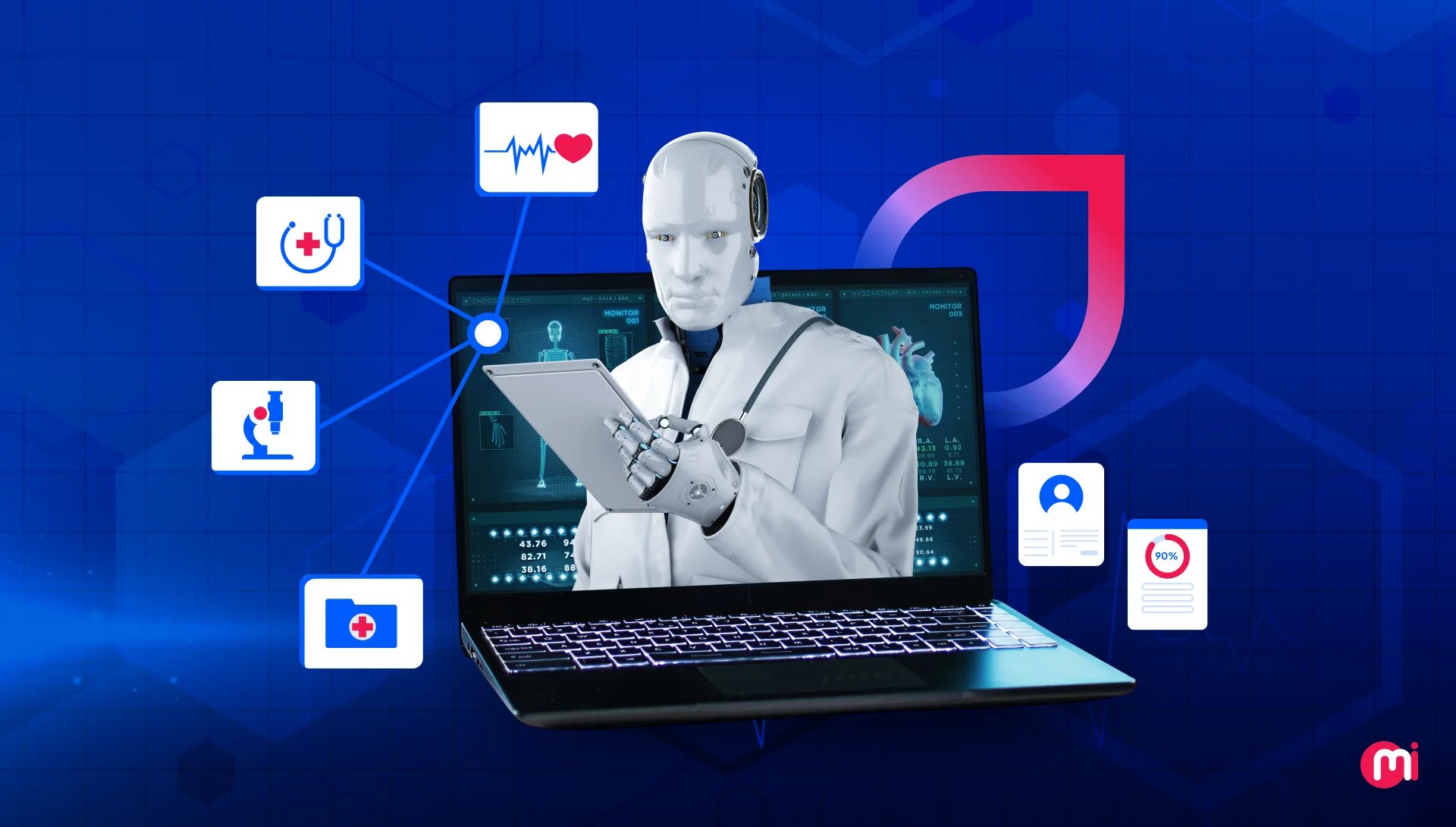
The use of Artificial Intelligence (AI) in Electronic Health Records (EHR) systems can revolutionize the way healthcare providers deliver care to patients. AI-powered EHR systems act as proactive co-pilots, providing real-time decision support to physicians, reducing documentation time, improving patient care, enhancing predictive capabilities, and streamlining operational efficiency.
Integrating AI into existing EHR and EMR systems requires careful planning and consideration. By conducting a thorough assessment of the current system, defining clear objectives, selecting the right AI tools and technology stack, ensuring data interoperability, implementing and triggering the AI, displaying AI insights in EHR, training healthcare staff, monitoring and optimizing AI performance, healthcare organizations can successfully integrate AI into their systems.
The benefits of AI in EHR and EMR systems include reduced documentation time, better patient care, improved predictive capabilities, operational efficiency, and enhanced patient engagement. High-impact use cases of AI in EHR systems include mobility solutions for the visually impaired, automating data entry, and personalized treatment plans.
When integrating AI into EHR and EMR systems, healthcare providers should consider factors such as data bias and management, data security, reliability, and data quality. Compliance with regulatory standards such as HTI-1, HTI-2 mandates, the EU AI Act, TEFCA, HIPAA, and GDPR is essential for successful AI integration in 2026.
The cost of integrating AI into EHR and EMR systems varies depending on the complexity of the AI use case, data readiness, and the age of the legacy system. Providers can partner with experienced technology companies like MindInventory to ensure a successful integration of AI into their healthcare systems.
In conclusion, AI integration in EHR and EMR systems has the potential to transform healthcare delivery, improve patient outcomes, and optimize clinical workflows. By following best practices and considering key factors, healthcare organizations can harness the power of AI to enhance the quality of care provided to patients.