
Rewritten Article:
Unlocking the Power of Rewards for Personal Motivation
In the quest to keep New Year’s resolutions, many individuals turn to rewards as a source of motivation. However, the use of rewards in motivation is a topic of heated debate among psychologists. As someone who has battled with bipolar disorder and faced challenges with personal motivation, I recently had an enlightening experience that shed light on the effectiveness of rewards in achieving goals.
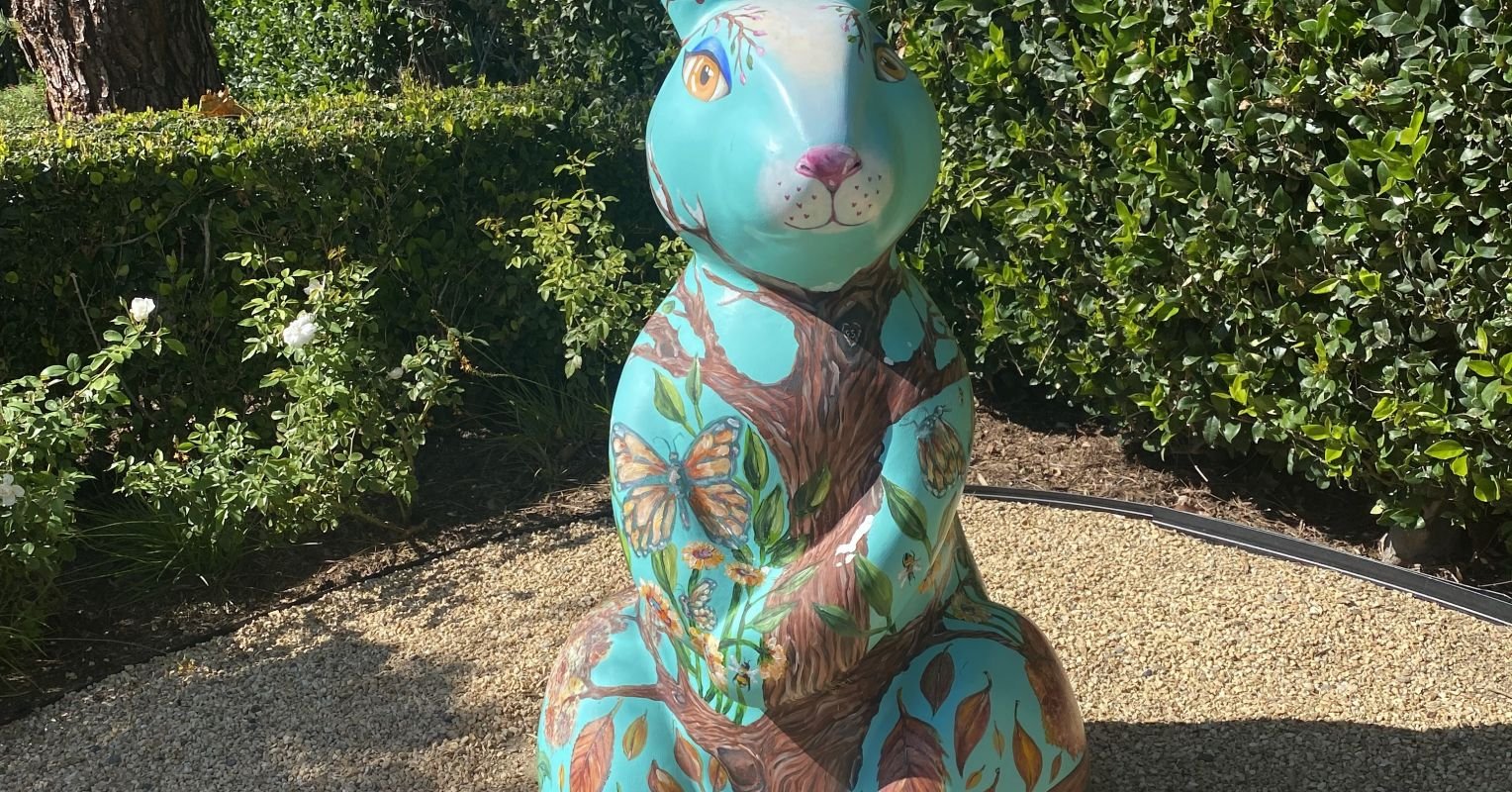
Following a car accident, I found myself in need of an MRI for my dystonic cervical spine. As someone who is sensitive to enclosed spaces and loud noises, the thought of undergoing the procedure was daunting. To my surprise, the imaging facility was located within a Four Seasons Hotel, offering a unique setting for my appointment. On my way to the MRI, I stumbled upon a striking turquoise rabbit statue at the entrance to a rose garden, sparking my curiosity.
As I entered the MRI machine and felt the overwhelming noise and confinement, I struggled to remain calm. Desperate for a way to cope, I remembered my past use of rewards to navigate challenging situations. Whether it was promising myself a treat for completing a task or finding solace in small indulgences during difficult times, rewards had always been a source of comfort for me.
Drawing inspiration from the turquoise bunny in the garden, I envisioned a peaceful stroll through the roses as a reward for enduring the MRI. This simple promise of a reward helped me relax, breathe deeply, and persevere through the procedure. It dawned on me that rewards played a crucial role in my motivation and self-care, despite any initial guilt or doubts I had about relying on them.
In delving into the psychology of using rewards for motivation, I encountered conflicting research on the topic. While some studies supported the effectiveness of external rewards in enhancing motivation, others raised concerns about their impact on intrinsic incentives. The debate surrounding rewards in social and educational psychology highlighted the complexity of the issue and the lack of a definitive answer.
Ultimately, I chose to trust my own judgment and personal experience in understanding the role of rewards in my life. Through years of mental health recovery and self-discovery, I have learned to navigate the balance between scientific knowledge and individual needs. Embracing the power of rewards as a tool for personal motivation, I have found that small incentives can make a significant difference in overcoming challenges and achieving goals.
As researchers continue to debate the merits of rewards in motivation, I have come to a personal conclusion: when faced with difficult tasks, rewarding oneself can enhance internal motivation rather than diminish it. By honoring my unique journey and finding what works best for me, I have learned to embrace rewards as a valuable ally in navigating life’s obstacles and celebrating victories, no matter how small.
In the end, I earned my turquoise bunny, a symbol of resilience, self-care, and the transformative power of rewards in personal motivation.