
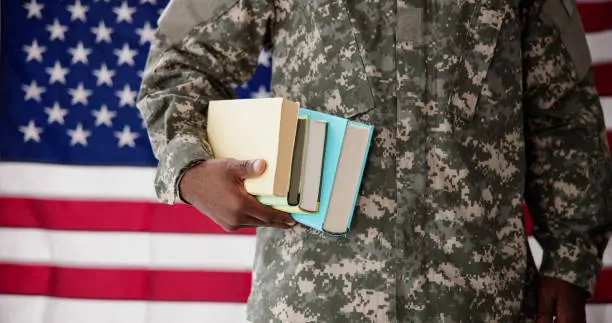
Transitioning from military service to civilian life can be a daunting task, particularly in terms of pursuing education. For many veterans who have thrived in structured environments, finding educational programs that offer similar levels of organization and accountability is crucial. Routine and structure are not just habits but the cornerstones of success. In the realm of online technical training, these qualities play a vital role in supporting focus, enhancing retention, and fostering confidence. Recognizing the significance of these attributes, Sonoran Desert Institute (SDI), accredited by the Distance Education Accrediting Commission (DEAC), tailors its programs to meet the needs of veterans who rely on consistency and discipline to excel.
SDI offers coursework in firearms technology and unmanned systems designed to resonate with veterans who thrive on routine and structure. By aligning education with the habits developed during their military service, the institute assists veteran learners in achieving their personal and professional goals. This customized approach ensures that veterans feel understood and empowered to leverage their military strengths for long-term career success.
The Importance of Structure Post-Service
Military training instills a sense of order in daily life, from set wake-up times to meticulous mission planning. As veterans transition to civilian education, programs lacking structure can feel disorienting and challenging to engage with. Structured learning environments, on the other hand, can be a natural fit for many veterans. Clear schedules, consistent coursework, and defined milestones offer stability that fosters optimal performance. Veterans often feel more at ease and engaged in systems that mirror the organized approach they experienced during their time in service.
Building Confidence Through Routine
Routine provides a sense of predictability that, in turn, cultivates confidence. For veterans adjusting to civilian life, the comfort of a routine can alleviate anxiety and generate momentum. Establishing daily practices such as logging into class at the same time, dedicating specific hours to studying, or following a checklist of tasks can reinforce progress and boost self-assurance.
Technical training thrives on consistency. Repetitive practice builds confidence, while structured lessons facilitate progression from basic to advanced concepts. Each step forward prepares veterans to take on more significant responsibilities.
Time Management and Accountability
Veterans are adept at managing time and meeting expectations, skills that directly translate to online learning where accountability is paramount. Structured programs enable veterans to plan effectively, balancing coursework with family commitments or employment responsibilities.
Accountability is a trait highly valued in professional settings. Employers appreciate individuals who can meet deadlines and complete assignments without constant supervision. By honing their time management skills during training, veterans demonstrate reliability, a quality that resonates with hiring managers in technical industries.
Embracing Routine in Technical Practice
Technical education often requires repeated practice to achieve precision. Whether it involves equipment maintenance, component assembly, or system troubleshooting, consistency is key. Veterans, having undergone drills and routines throughout their service, are well-prepared for this process.
When these habits are applied to technical training, progress is accelerated. Learners adapt quickly to repetitive tasks, which eventually become second nature. This structured approach minimizes errors and enhances proficiency, qualities highly sought after in the workforce.
The Value of Routine and Structure to Employers
Employers frequently cite discipline, accountability, and reliability as reasons why veterans excel in civilian roles. Structured habits translate into consistent performance, a crucial asset in industries where precision is paramount. Fields like logistics, manufacturing, and defense rely on workers who can adhere to procedures meticulously, a strength that veterans bring to the table effortlessly. Their comfort with routines makes them dependable team players, facilitating smooth and safe project execution.
Supporting Veteran Learners Through Structured Education
Sonoran Desert Institute tailors its coursework to align with veterans’ strengths. The programs emphasize clear milestones, consistent expectations, and practical learning experiences, creating a familiar framework for individuals accustomed to structure. By offering flexible yet structured online training, the institute enables veterans to pursue education while balancing family and career commitments. Emphasizing practical skills, SDI helps students grasp concepts and apply them in real-world scenarios, bridging the gap between structured learning and adaptability to support successful careers in these fields.
Community and Collective Accountability
Routine is often reinforced by accountability to others, a motivating factor for many veterans. Educational programs that foster a sense of community provide learners with the opportunity to support each other, track progress, and uphold discipline collectively. This collaborative approach mirrors the camaraderie experienced in military service, where a sense of responsibility to the group bolsters commitment. In an academic setting, this teamwork helps veterans remain engaged while building connections that can prove beneficial in their future careers.
Cultivating Civilian Confidence Through Structure
One of the key challenges in transitioning from military to civilian life is rebuilding confidence outside of the service. Structured routines play a pivotal role in helping veterans regain a sense of purpose and direction. Each completed course, mastered skill, or achieved milestone reinforces the belief that they can thrive in new environments.
This confidence is instrumental in entering the workforce. Employers are more inclined to hire individuals who exhibit both competence and self-assurance. Veterans who maintain disciplined routines throughout their training embody these qualities effectively.
An Inclusive Approach for All Veterans
Not all veterans pursue traditional four-year degrees, but technical training offers an alternative that values skills over formal academic credentials. Structured programs accommodate learners from diverse backgrounds, allowing them to progress at their own pace while maintaining order in their studies. This approach ensures that educational opportunities remain accessible to all veterans, irrespective of their background. By emphasizing skills and accountability, structured learning environments make education both attainable and practical.
Employers’ Perspectives
Hiring managers frequently highlight the reliability of veteran employees. Individuals who adhere to routines are less prone to errors, more likely to meet deadlines, and better equipped to handle complex tasks. In industries where safety is paramount, this consistency reduces risks and fosters trust. Employers also appreciate veterans’ ability to work independently without compromising quality. Their routine-driven habits assure managers that tasks will be completed thoroughly and on time, making veterans ideal candidates for technical careers.
A Strategic Path Ahead
Institutions like SDI place a strong emphasis on routine and structure in technical education. By aligning coursework with veterans’ existing habits, the institute not only helps learners excel academically but also prepares them for their future careers. Routine and structure are not just military habits; they are valuable tools for learning and professional development. For veterans transitioning to civilian roles, structured training offers guidance, builds confidence, and lays a solid foundation for future success.