
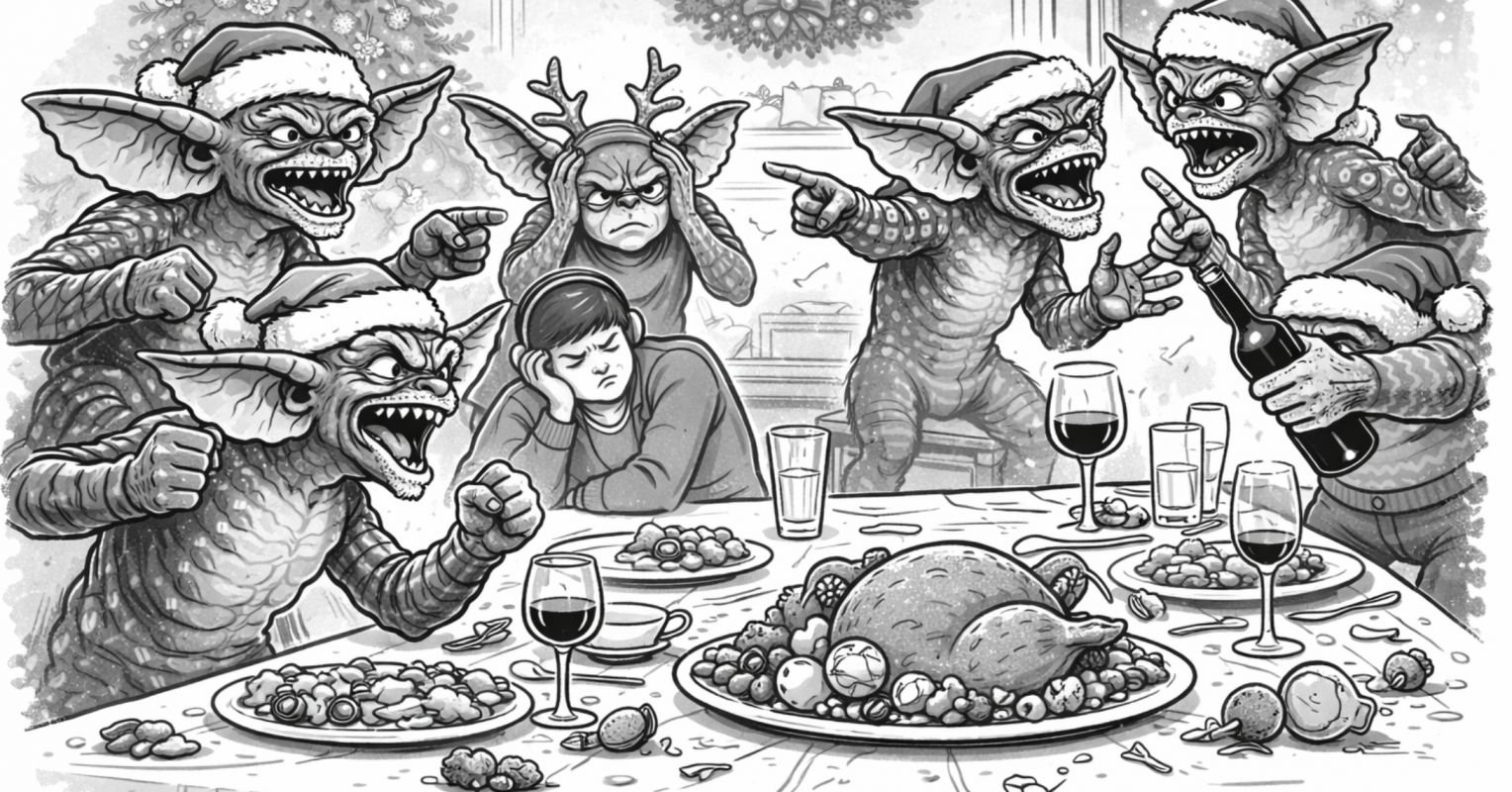
The holiday season at the end of the year often carries a spiritual essence for many individuals. It serves as a time to slow down, release the pressures of daily life, and create room for rest, thankfulness, and reconnection. Traditional holiday customs, such as shared meals, familiar traditions, and quality time with loved ones, provide a unique opportunity to step away from work responsibilities and societal expectations, allowing us to remember what truly matters. Ideally, family holidays are about being present, showing generosity, and enjoying the simple pleasure of being together.
However, despite the promise of tranquility and bonding, family holiday gatherings can also be a source of stress, anxiety, and discord. Expectations are high, old patterns resurface, and spending extended periods of time together can lead to intense situations and conflicts.
This paradox is attributed to the fact that during family holidays, individuals tend to revert to historical behavioral patterns, unresolved tensions, and unfiltered expressions, as they are freed from the usual self-control mechanisms observed in everyday interactions, especially in professional settings.
In popular culture, movies like “Scent of a Woman,” “The Family Stone,” and “Eyes Wide Shut” portray holiday gatherings as settings for emotional outbursts and confrontations rather than peaceful reunions. These films illustrate that conflicts and tensions are not anomalies during family holidays but rather common features.
While there is no specific field of study dedicated to “Christmas psychology,” psychological research sheds light on the interpersonal dynamics that can lead to stress and conflicts during family holiday gatherings. Four key mechanisms explain why people experience anxiety, tension, and disagreements during these reunions:
1. Expectation inflation and hedonic pressure:
During holidays, individuals often set high expectations for the experience, anticipating it to be joyful, meaningful, and rejuvenating. However, when reality falls short of these idealized expectations, feelings of disappointment, resentment, and blame can arise.
2. Role regression and family scripts:
Family systems psychology suggests that individuals tend to revert to familiar roles and behaviors from their early years when interacting with family members. This regression can clash with the identities they have developed outside the family, leading to friction and defensiveness.
3. Relaxed impression management and reduced self-monitoring:
The holiday season temporarily suspends the need for constant self-monitoring and impression management. People feel more comfortable expressing unfiltered thoughts and opinions, which can sometimes lead to misunderstandings and conflicts.
4. Cognitive and emotional overload:
Family holidays combine various stressors such as travel, disrupted routines, financial pressures, and prolonged social interactions. Under these conditions, individuals may experience a weakened capacity for emotional regulation, leading to heightened irritability and conflicts.
In essence, the psychological conditions of the holiday season, rather than inherent dysfunction within families, contribute to the tensions and conflicts that can arise during family gatherings. Despite the challenges, understanding these underlying mechanisms can help individuals navigate and manage stress during holiday reunions, fostering more meaningful and peaceful interactions with loved ones.