
Key Insights
- Oral health plays a crucial role in overall health, job performance, and workplace satisfaction.
- Proactive dental wellness programs can reduce absenteeism and healthcare costs.
- Comprehensive dental benefits can boost employee satisfaction and retention rates.
- Regular dental visits and preventive oral care are essential for a healthy workplace environment.
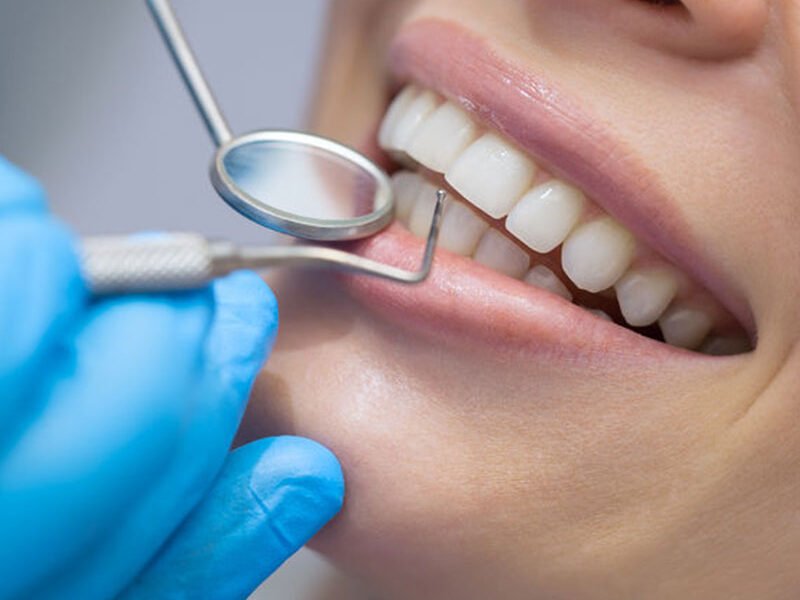
Oral health is more than just about having a beautiful smile—it directly impacts the well-being of employees and the productivity of a company. A healthy smile not only boosts confidence but also enables employees to communicate effectively in meetings, engage with colleagues, and avoid distractions caused by dental issues. Dental problems can lead to decreased focus, irritability, and missed opportunities in the workplace. Employers who recognize the importance of oral health go beyond basic coverage by making dental wellness a priority in their corporate culture. By offering comprehensive employer dental insurance, organizations show their commitment to the long-term health and well-being of their employees, leading to increased trust, motivation, and a sense of belonging among the workforce. When employees feel supported in managing their oral health, they are more likely to be engaged, innovative, and loyal to their employer.
The consequences of neglecting oral health in the workplace can be significant. Untreated dental issues can result in rising insurance claims, increased absenteeism, and decreased morale among employees. Dental diseases are preventable, yet many companies overlook their inclusion in overall well-being strategies, leading to financial burdens and disrupted workplace dynamics. Building a culture of wellness requires providing access to dental care and educating employees on the importance of oral health for their overall well-being. When employees feel empowered to take care of their health, they are better equipped to handle work challenges, collaborate effectively, and perform at their best. Implementing educational programs, regular reminders, and visible commitments to wellness can help reinforce this culture throughout the organization.
Enhancing Workplace Productivity
Untreated dental issues such as cavities, gum disease, or emergencies can be major distractions at work. A single toothache can impair an employee’s ability to focus, participate in meetings, or think creatively. In the U.S., over 164 million work hours are lost annually due to dental health issues, impacting businesses in terms of productivity and focus. Chronic pain can lead to irritability and reduced concentration, affecting the overall performance of the organization.
Imagine a scenario where an employee misses work due to a dental emergency. This not only affects their workload but also puts additional pressure on colleagues to cover essential tasks, straining team dynamics and delaying projects. Such disruptions can have a long-term impact on productivity and customer service. However, with the right approach to wellness, including preventive care, timely reminders, and access to flexible dental care, these interruptions can be minimized, supporting continuous team momentum.
Reducing Absenteeism with Dental Wellness Programs
Companies that invest in dental wellness have reported a significant reduction in absences related to dental issues. By implementing proactive measures such as regular cleanings, educational workshops, and easy access to resources, employers can keep their employees healthier and more present at work throughout the year.
By offering flexible schedules for dental visits and accessible dental benefits that cover preventive services, companies can prevent minor issues from escalating into emergencies. Employees are more likely to seek timely care when it is readily available and affordable, leading to fewer sick days, lower emergency claims, and a workforce that feels valued and supported.
Boosting Employee Satisfaction and Retention
Providing dental benefits is not just a perk—it is a retention strategy. Comprehensive dental insurance demonstrates that an employer values its employees on a personal and professional level, creating goodwill that goes beyond monetary compensation. Employees with access to quality dental coverage are more likely to stay with their employer, especially younger workers who prioritize holistic benefits packages. Dental benefits can make a significant difference in attracting and retaining top talent, showcasing an employer’s commitment to employee well-being.
By offering comprehensive dental insurance, targeted wellness programs, and a sustained focus on prevention, companies can create a workplace where employees feel valued and supported. The benefits of investing in oral wellness include higher productivity, reduced absenteeism, lower healthcare costs, and increased employee loyalty. Forward-thinking employers understand that a healthy smile is a key asset in achieving workplace success.
Effective Oral Health Initiatives
Comprehensive Insurance and Preventive Care
Start by providing employees with reliable dental insurance that includes preventive coverage. Encourage regular cleanings, screenings, and hygiene education to prevent costly interventions in the future. Coverage for sealants, fluoride treatments, and periodontal evaluations can help detect and address dental issues early, reducing the need for extensive treatment down the line.
On-Site Wellness and Flexible Scheduling
Bring dental wellness directly to the workplace by organizing on-site dental check-ups, educational seminars, or mobile dental units. By making preventive care convenient and accessible, employers can remove barriers to dental health for all employees. Supporting flexible scheduling for dental appointments shows that employee health is a priority, reducing the stigma associated with taking time off for dental care.
Internal Communication and Daily Habits
Use various communication channels such as newsletters, posters, or email reminders to promote daily oral hygiene practices among employees. By sharing tips, testimonials, and running incentive programs, companies can normalize dental care as part of everyday office culture. Creating a supportive environment that encourages healthy habits can lead to better outcomes and a sustainable culture of wellness in the long run.
Conclusion
Prioritizing oral health in the workplace is essential for empowering employees, improving business outcomes, and fostering a culture of care and support. Through comprehensive dental benefits, targeted wellness initiatives, and a commitment to prevention, companies can create an environment where both employees and the business thrive. Investing in oral wellness not only leads to higher productivity and lower absenteeism but also cultivates lasting employee loyalty. Employers who understand the importance of a healthy smile are on the path to building a successful and sustainable workplace.