
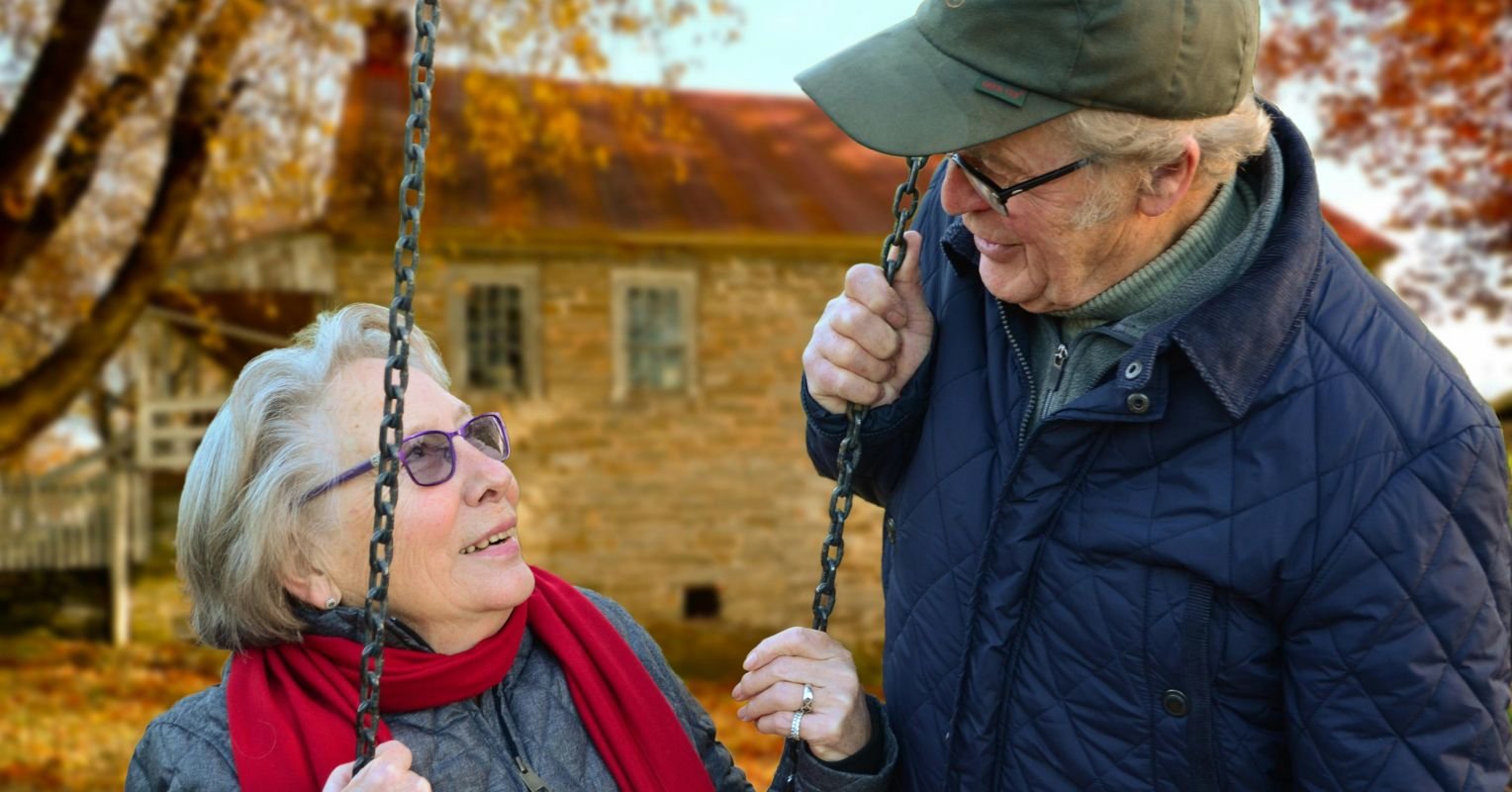
Living a longer, healthier life is a common goal for many individuals. People often prioritize activities such as exercise, maintaining a nutritious diet, and engaging in cognitive training like puzzles in order to stay sharp as they age. However, despite these efforts, older adults may still experience cognitive decline, memory loss, and decreased mental agility.
Enter Hyperbaric Oxygen Therapy (HBOT), a clinical treatment that is gaining traction as a complement to traditional healthy habits. Research is increasingly demonstrating the cognitive benefits of HBOT, including improvements in cognitive performance, increased neuroplasticity, and even potential reversals of age-related decline.
What exactly is HBOT and how does it benefit cognitive function? HBOT involves breathing 100% pure oxygen in a pressurized chamber, allowing the body to absorb higher levels of oxygen than usual. This increased oxygen delivery to the bloodstream and brain promotes cell repair, regeneration, and overall healing.
There are two main types of HBOT chambers: single-place and multi-place. Single-place chambers are designed for one person and can have hard or soft sides, while multi-place chambers can accommodate multiple patients simultaneously. The hyperoxic-hypoxic paradox is an advanced HBOT protocol that involves alternating between high oxygen levels and normal air, stimulating the body’s repair mechanisms and promoting rejuvenation in the brain.
As we age, blood flow and oxygen supply to the brain naturally decrease, leading to cognitive decline. Our brains are highly dependent on oxygen, consuming a significant portion of the body’s oxygen supply. HBOT helps combat the biological aging process by promoting healthy oxygen use and cellular repair, ultimately improving cognitive vitality and resilience.
Chronic inflammation and reduced blood flow are common factors in cognitive aging. HBOT has been shown to reduce inflammation and enhance anti-inflammatory responses, creating a neuroprotective environment that supports brain health and neuroplasticity.
Recent research has highlighted the potential for HBOT to reverse biological aging indicators, offering hope for preventing and even reversing cognitive decline. This shift in perspective suggests that cognitive health is not necessarily a one-way street, but rather a dynamic process that can be influenced by evidence-based interventions like HBOT.
In conclusion, HBOT represents a promising frontier in cognitive longevity and vitality. By addressing the root causes of cognitive decline and promoting brain health, HBOT offers a new avenue for maintaining mental acuity and quality of life as we age. As research continues to evolve, HBOT stands at the forefront of a new era in brain health, providing older adults with the opportunity to age well and live fulfilling lives.