
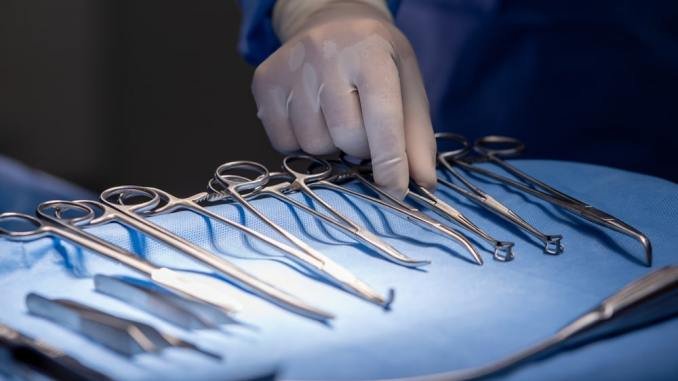
Surgical scissors play a crucial role in modern medicine, serving a variety of purposes across different medical specialties. Understanding the diverse applications of these precision tools helps healthcare professionals choose the right instrument for each task, ultimately improving patient outcomes and procedural efficiency.
Different types of surgical scissors are used in healthcare facilities, each designed for specific applications. Mayo scissors are sturdy and ideal for cutting heavy tissues and sutures, while Metzenbaum scissors offer delicate precision for soft tissue dissection. Iris scissors provide excellent control for fine work in ophthalmology and plastic surgery.
The choice between straight and curved surgical scissors depends on the surgical field’s accessibility and the surgeon’s line of sight. Straight scissors offer superior control for surface-level cuts and suture removal, while curved scissors enhance visibility and access in confined spaces or around anatomical structures.
In cardiovascular surgery, specialized scissors are required to trim grafts, create precise anastomoses, and remove damaged tissue from heart valves. These procedures demand scissors with ultra-sharp blades that can maintain their cutting edge throughout lengthy operations and resist corrosion from bodily fluids.
Orthopedic and trauma surgery also rely on heavy-duty surgical scissors to cut through tough tissues like connective tissues, ligaments, and synthetic materials used in joint replacements. Surgeons need robust scissors for emergencies where quick, decisive cuts are essential for patient survival.
Microsurgery and delicate procedures require microscissors with ultra-fine tips and spring mechanisms to provide surgeons with exceptional control over minute movements. These specialized instruments are crucial in neurosurgery and ophthalmic surgery, where precision is paramount for success.
Proper maintenance and cleaning protocols are essential to ensure the longevity and effectiveness of surgical scissors. Health care facilities follow strict cleaning procedures to keep these critical instruments sterile and functional, including checking blade alignment, testing cutting action, and inspecting for wear or damage.
Choosing the right surgical scissors for each application involves considering factors such as tissue type, surgical approach, and required precision. Surgeons must match the instrument to the specific demands of the procedure to avoid compromising surgical outcomes. Proper training and knowledge of instrument selection are crucial, especially in emergencies where quick decisions can impact patient care significantly.